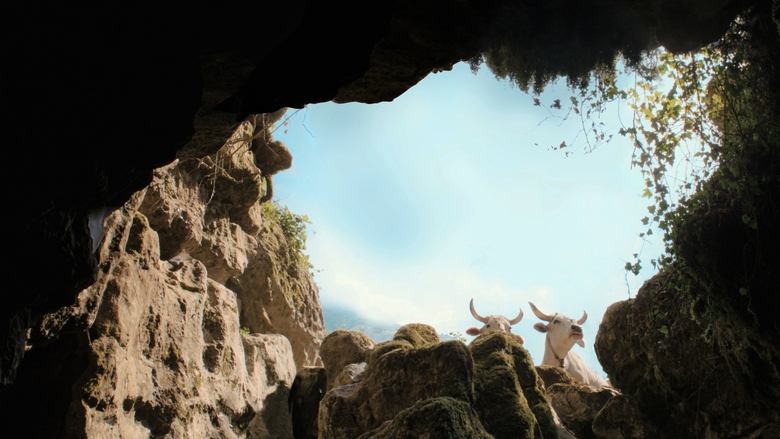
1 / 6
ERA
Did you know
Released 5 years ago.
MoodPlayr · trivia#01
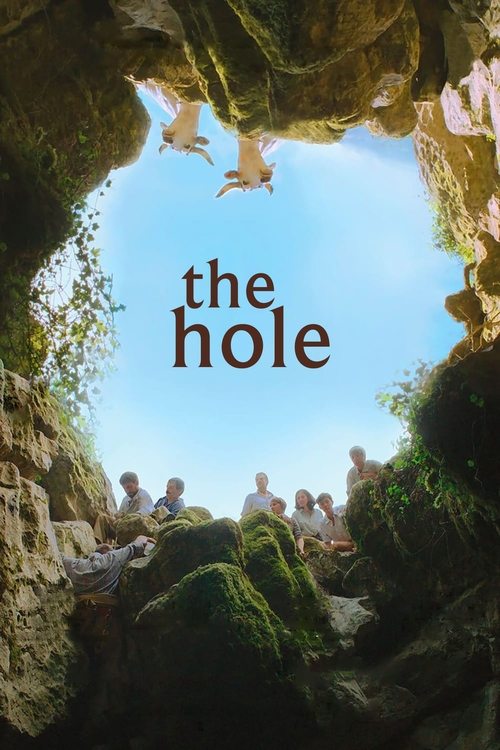
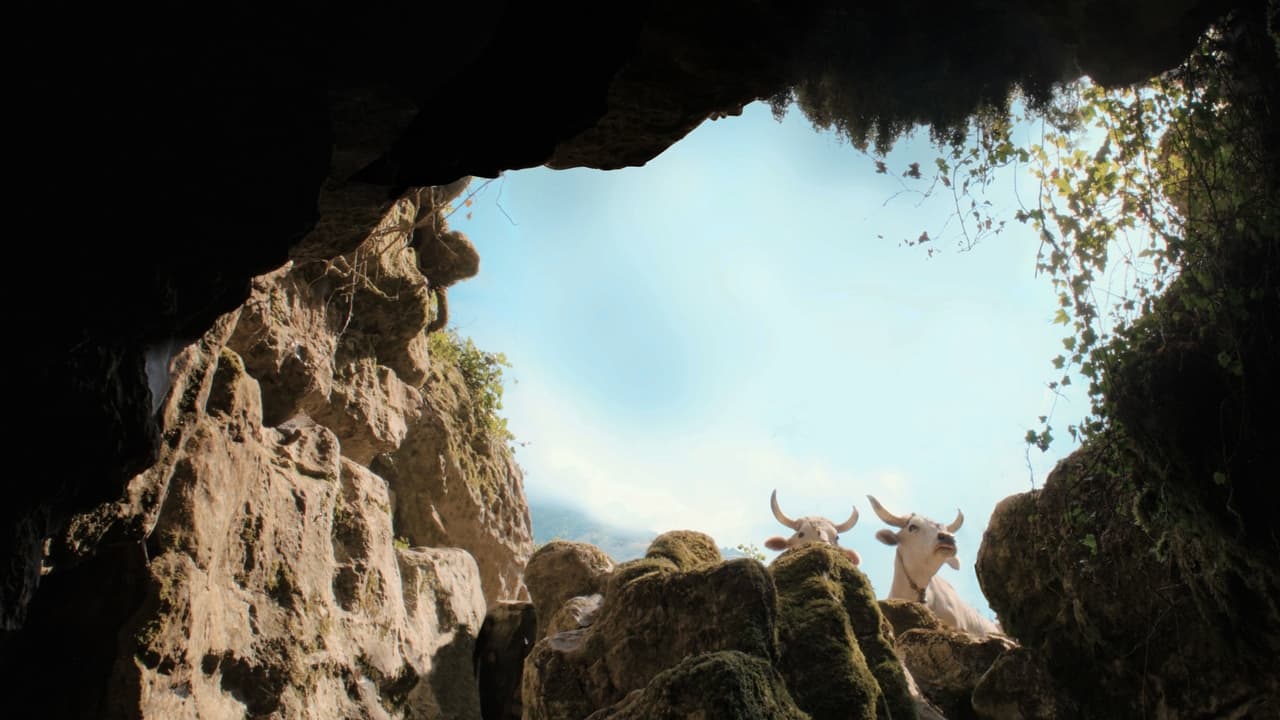
In August 1961, speleologists from Italy’s booming North arrive on a Calabrian plateau where time stands still. The intruders discover one of the world’s deepest caves, the Bifurto Abyss, under the gaze of an old shepherd, the only witness of the pristine territory.
“Some stories are better left unspoiled.”
Nicola Lanza
Zi' Nicola
Antonio Lanza
Leonardo Larocca
Doctor
Claudia Candusso
Speleologist
Mila Costi
Speleologist
Carlos José Crespo
Speleologist
Jacopo Elia
Speleologist
Federico Gregoretti
Speleologist
Credits
Want more? Switch to Cinephile mode in the header for DP, composer, budget, box office, production companies, keywords, and release history.
Did you know?
Did you know
Released 5 years ago.
Did you know
International production across 3 countries: Germany, France, Italy.
Did you know
Directed by Michelangelo Frammartino, shot by Renato Berta. Note their partnership — DPs and directors often return to each other across a career.
Did you know
Editor Benni Atria shaped the rhythm. On an edit-heavy film, the editor does more to control your pulse than the director.
Did you know
Nicola Lanza and Antonio Lanza and Leonardo Larocca carry the top of the cast.
Did you know
IMDB entry: tt11012320 — still the authoritative cross-reference for credits and trivia.
Cinephile deep dive
Michelangelo Frammartino directs. Renato Berta behind the camera. Benni Atria cuts. Runs lean at under 100 minutes. Produced in Germany, France, Italy. Dialogue in Italian.
Trivia
Awards
Individual records documented via Wikidata; the summary above may count more.
Also by
Trailers & featurettes
Community reviews
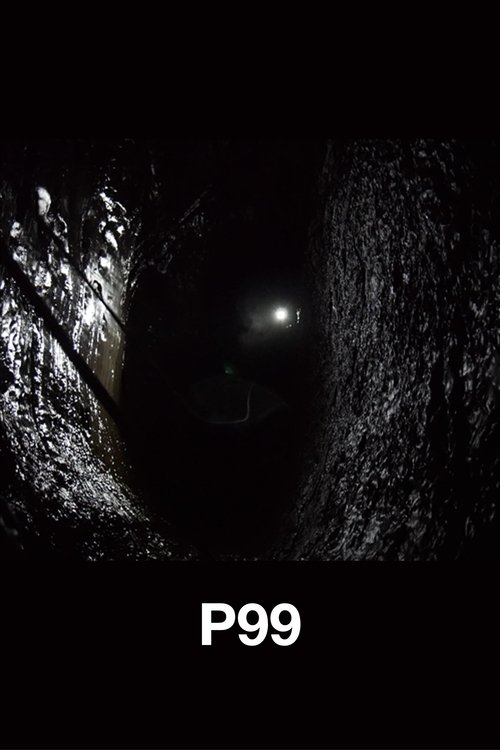
With virtually no dialogue at all, this is the ultimate observational documentary - with two strands. The first centres around the recreation of a speleological expedition (from 1961) to explore a cave that stretches deep under the Calabrian plateau. The second features an elderly, weather-beaten, shepherd (Antonio Lanza), whose only means of communication appears to be using sounds similar to those emanating from his herd of cattle. It's not immediately obvious at the start, but gradually - and subliminally - the two stories intertwine with a gentle intensity. The cave has something visceral about it. It's entrance has a kind of primordiality that one could easily imagine being the site of some ancient pagan, mother Earth, rituals. What is also notable from the outset is the technologically basic nature of their work. They attempt to measure the depth of the cave by using burning embers to light their way. Their mapping is all hand (and ink) drawn. Not an iPad or laptop in sight whilst they sleep three in a tent regularly visited by the obliviously grazing residents. Meanwhile the elder gent watches on, seemingly imperviously, until he takes a bit of a turn and is sought by his colleagues before being attended by a doctor who clearly deduces, again without any language, that he is soon to move onto a different plateau. The audio is interesting. The lack of speech allows us to hear the noises of the water, the wind, the animals and that is quite effective. The photography is also pretty stunning, especially down the hole where the rock formations offer all sorts of shadows and textures for what little light the surveyor's helmet-lamps can provide. It is creepy and claustrophobic - I felt that this was just not a place where man belonged. There is a simplicity to this whole production that, though perhaps a little slow at times, offers a glimpse of both nature (natural and human) that has evolved little over many years, and I found it curiously compelling to watch.
Production companies
Doppio Nodo Double Bind
IT

RAI Cinema
IT
Société Parisienne de Production
FR

Essential Filmproduktion
DE
Release history · US
Also known as