

1 / 8
RUNTIME
Did you know
Clocks in at 162 minutes — on the longer side of feature-length cinema.
MoodPlayr · trivia#01
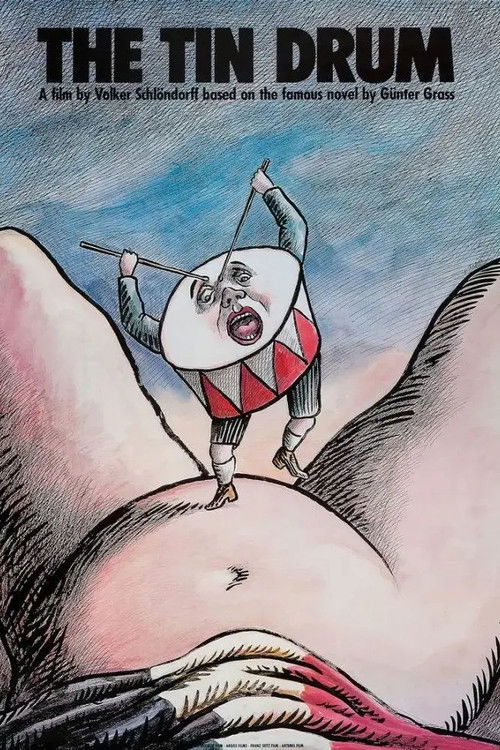
"A savage, sweeping epic of society in chaos."
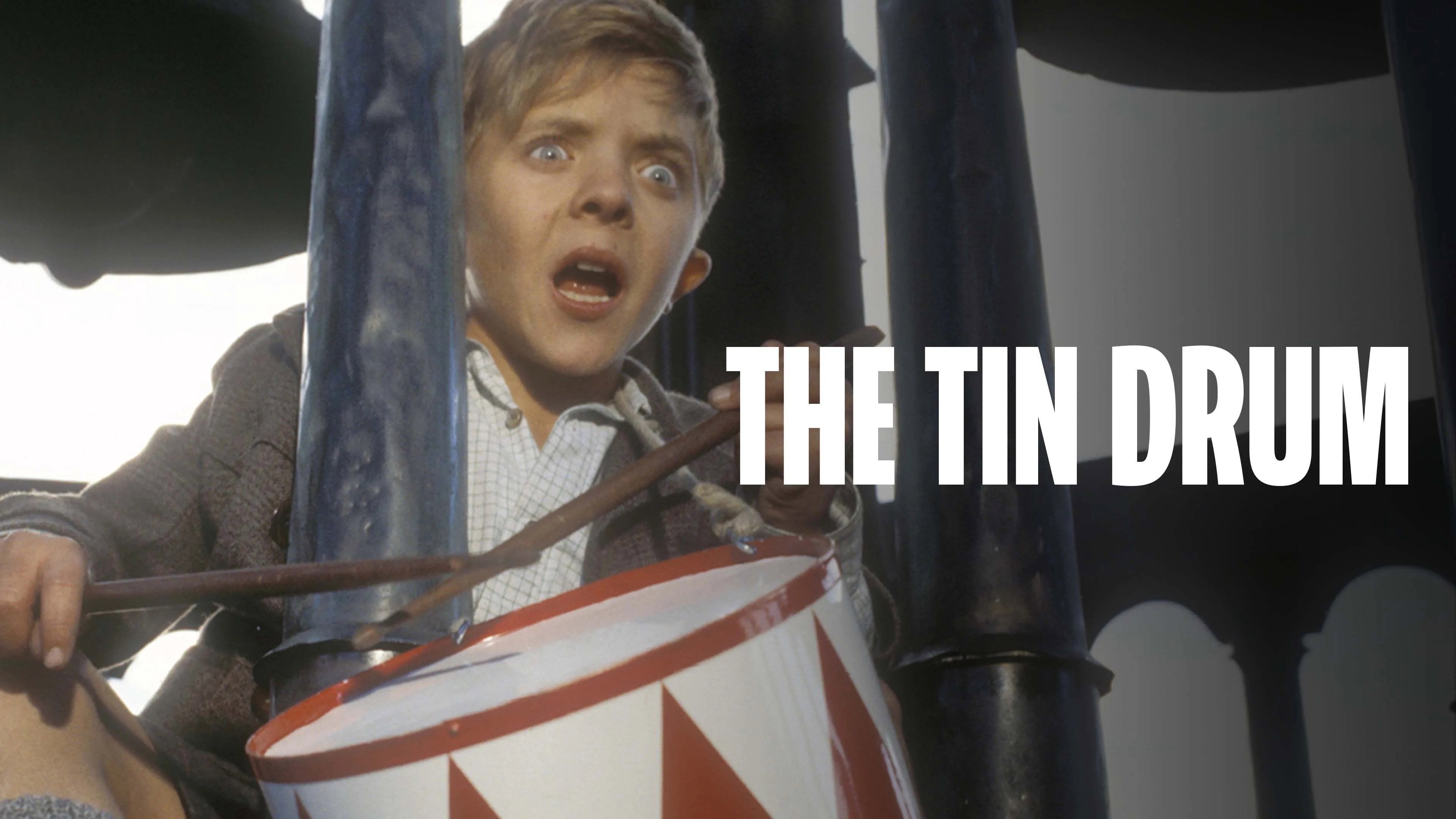
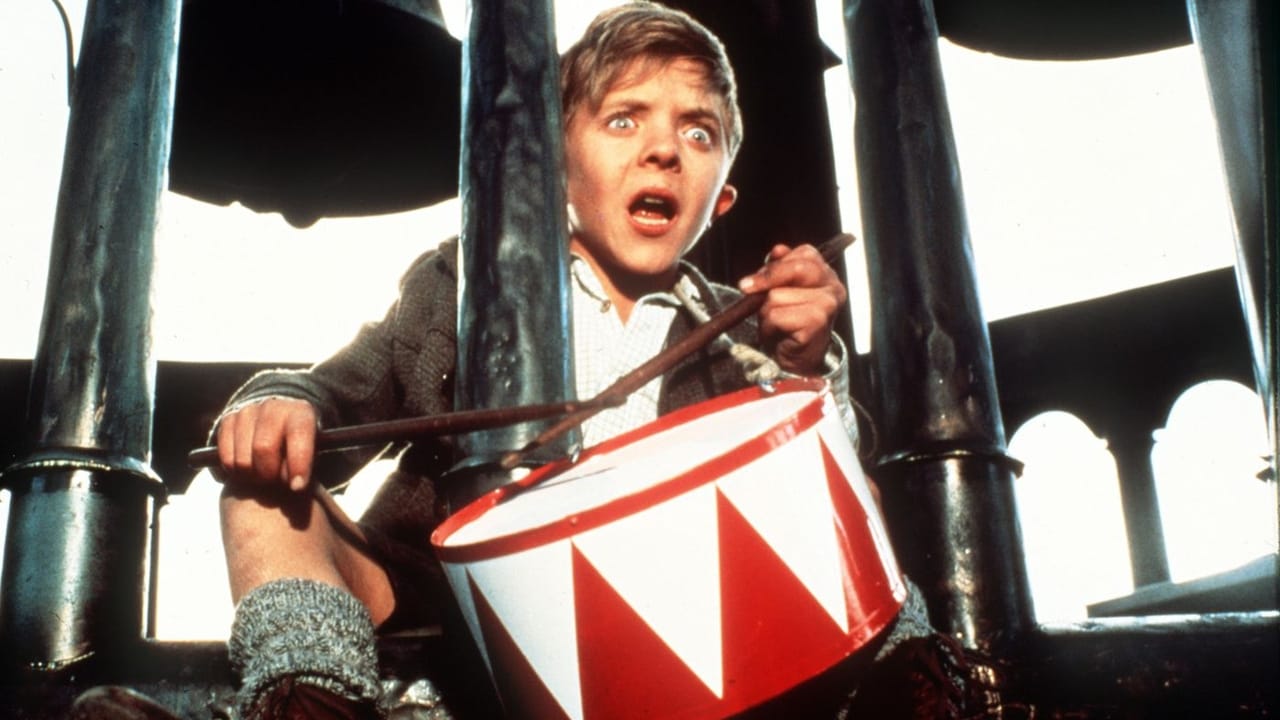
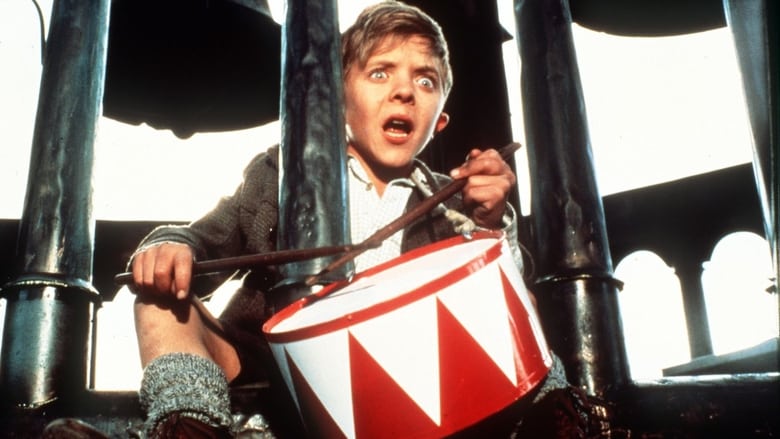
In 1924, Oskar Matzerath is born in the Free City of Danzig. At age three, he falls down a flight of stairs and stops growing. In 1939, World War II breaks out.
“A savage, sweeping epic of society in chaos.”
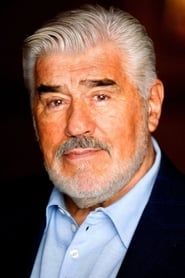
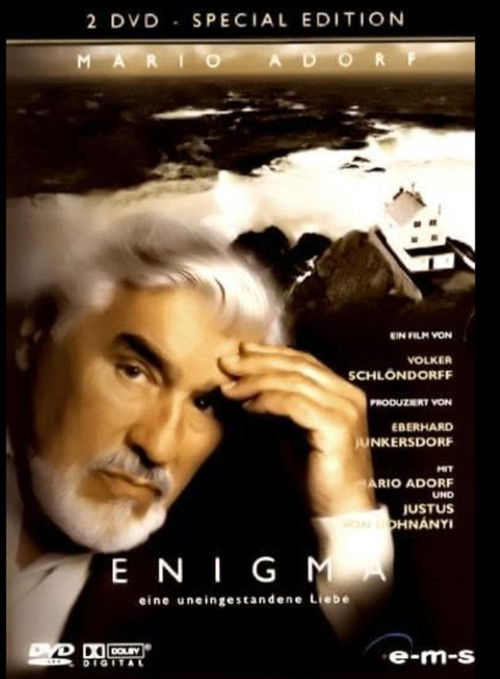
Mario Adorf
Alfred Matzerath

Angela Winkler
Agnes Matzerath
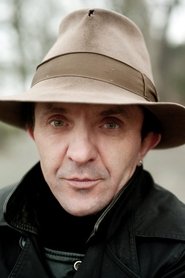
David Bennent
Oskar Matzerath

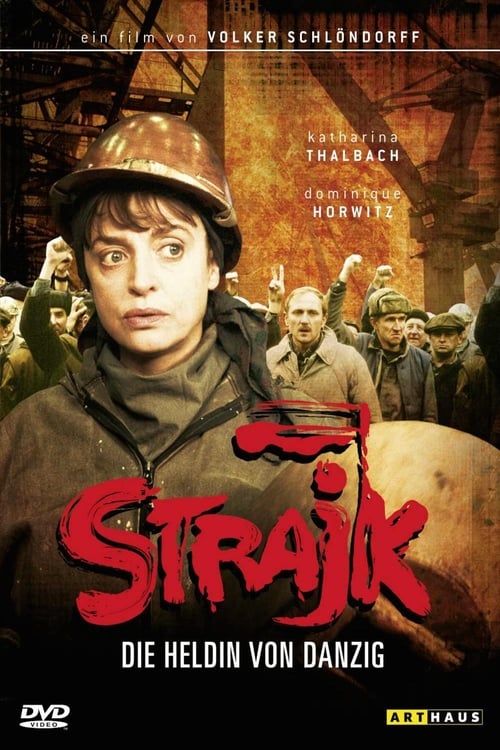
Katharina Thalbach
Maria Matzerath
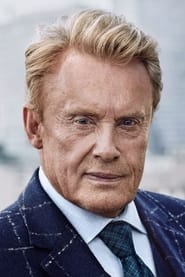
Daniel Olbrychski
Jan Bronski
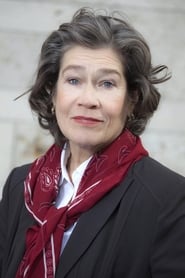
Tina Engel
Young Anna Koljaiczek

Berta Drews
Anna Koljaiczek
Roland Teubner
Joseph Koljaiczek
Credits
Want more? Switch to Cinephile mode in the header for DP, composer, budget, box office, production companies, keywords, and release history.
Did you know?
Did you know
Clocks in at 162 minutes — on the longer side of feature-length cinema.
Did you know
Shot for just $3.0M — micro-budget by Hollywood standards.
Did you know
Made its money back 5.7× over at the box office.
Did you know
47 years old — old enough to be someone's favourite childhood film.
Did you know
Dialogue crosses 5 languages: German, Hebrew, Italian, Polish, Russian.
Did you know
International production across 3 countries: France, Germany, Poland.
Did you know
Directed by Volker Schlöndorff, shot by Igor Luther. Note their partnership — DPs and directors often return to each other across a career.
Did you know
Original score by Maurice Jarre. Worth a dedicated listen after — most great films lose half their impact without the score.
Cinephile deep dive
Volker Schlöndorff directs. Igor Luther behind the camera. Maurice Jarre scores. Suzanne Baron cuts. A long sit — settle in. Made its budget back several times over at the box office. Produced in France, Germany, Poland. Dialogue in German, Hebrew, Italian, Polish, Russian.
Trivia
Awards
Individual records documented via Wikidata; the summary above may count more.
Also by
Stills · wallpapers
Full-resolution frames — open one to save it as a wallpaper.
Trailers & featurettes
Community reviews
A smart movie powered by David Bennent's performance Oskar is a young man in World War II Germany who refuses to grow up when he was three years old. He deliberately let himself fall on a stair to injure himself and stop his growth. Oskar's refusal to grow and release his tin drum is an obvious metaphor about refusing the Nazi regime. This is made more obvious since he finally decided to grow and let go of his drum after the Nazi's defeat. The Tin Drum is based on a celebrated novel by German author Gunter Grass. Director Volker Schlöndorff brings it to life with profound elegance and intellectual humor. Made in 1979, in the middle of the German film renaissance, The Tin Drum pokes fun at the Nazi regime and at the same time presents an unforgettable and often hilarious story. The movie begins in the late 19th century when Oskar's grandmother helps his grandfather to escape German soldiers by letting him hide under her skirt. It is also where Oskar's mother Agnes (Angela Winkler) is conceived. Agnes grows up during the First World War and marries a man named Alfred Matzerath (Mario Adorf). She begins to have an affair with her cousin Jan Bronski, while Oskar slowly becomes aware of their relationship. David Bennent's performance as Oskar is simply amazing. He was about 12 years old at the time, and he plays Oskar from childhood to his 20s. Although Oskar's physical appearance never changes. We can see his aging process through Bennent's performance. Oskar's movement changes; he begins to become more mature and discover the world around him. Bennent plays the character with an impressive level of believability and intellectual maturity. The Tin Drum reminded me of one of my favorite movies-Forrest Gump. Both movies have central characters that are physically and mentally disabled, and both manage to have an interesting journey life. Both movies pass through an important historical event, with both heroes getting involved. The Tin Drum is not quite in the same league as Forrest Gump, but it still amazed and captivated me from beginning to end. The Tin Drum contains some really grotesque scenes. One scene in particular is when they show a fisherman using a dead horse's head as bait for eels. The fisherman removes the eels one by one from the horse's head, while Agnes vomits in disgust. To balance it out, the movie also contains moments of pure joy. I love the sequence where Oskar's drumming influences a band to change their music form a German march to Strauss' The Blue Danube. A Nazi officer screams in disgust, while the crowd joins together and dances. I enjoy watching intelligent satires. I laughed out loud a lot of times in this movie and I relished its lush story. The movie deals with many things, including warfare, adultery, and religion. It may be a little too long for some people at 140 minutes, but for me, no good movie is too long. The Tin Drum contains astonishing images powered by remarkable acting.
Production companies

Jadran Film
HR
Artemis Film
DE
Franz Seitz Filmproduktion
DE

Argos films
FR
Hallelujah Films
DE
GGB-14
DE

Neue Bioskop Film
DE
Auditrust
FR

Taurus Film
DE
Themes & keywords
Release history · US
Also known as