1 / 8
RUNTIME
Did you know
Clocks in at 176 minutes — on the longer side of feature-length cinema.
MoodPlayr · trivia#01
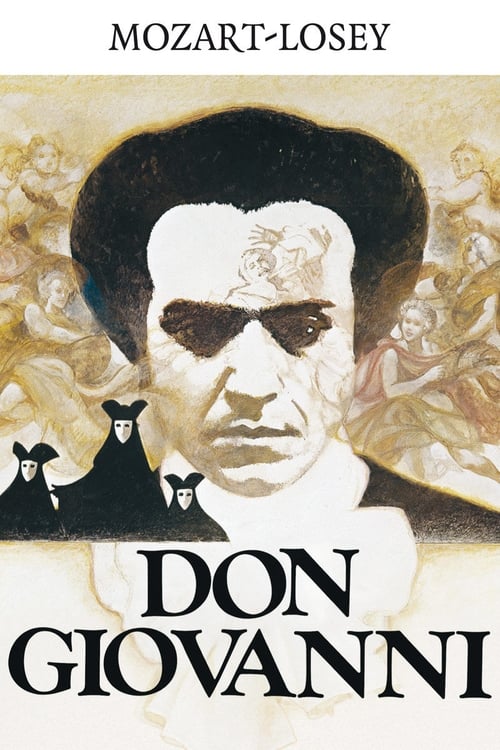
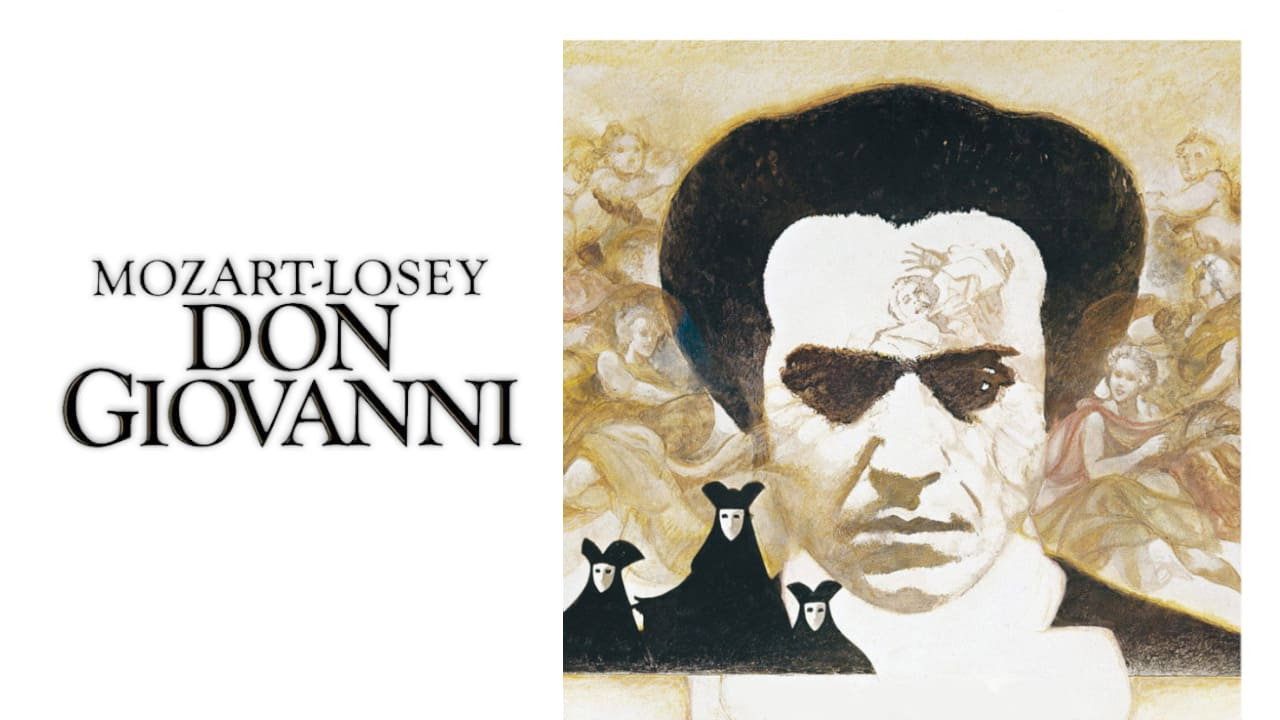
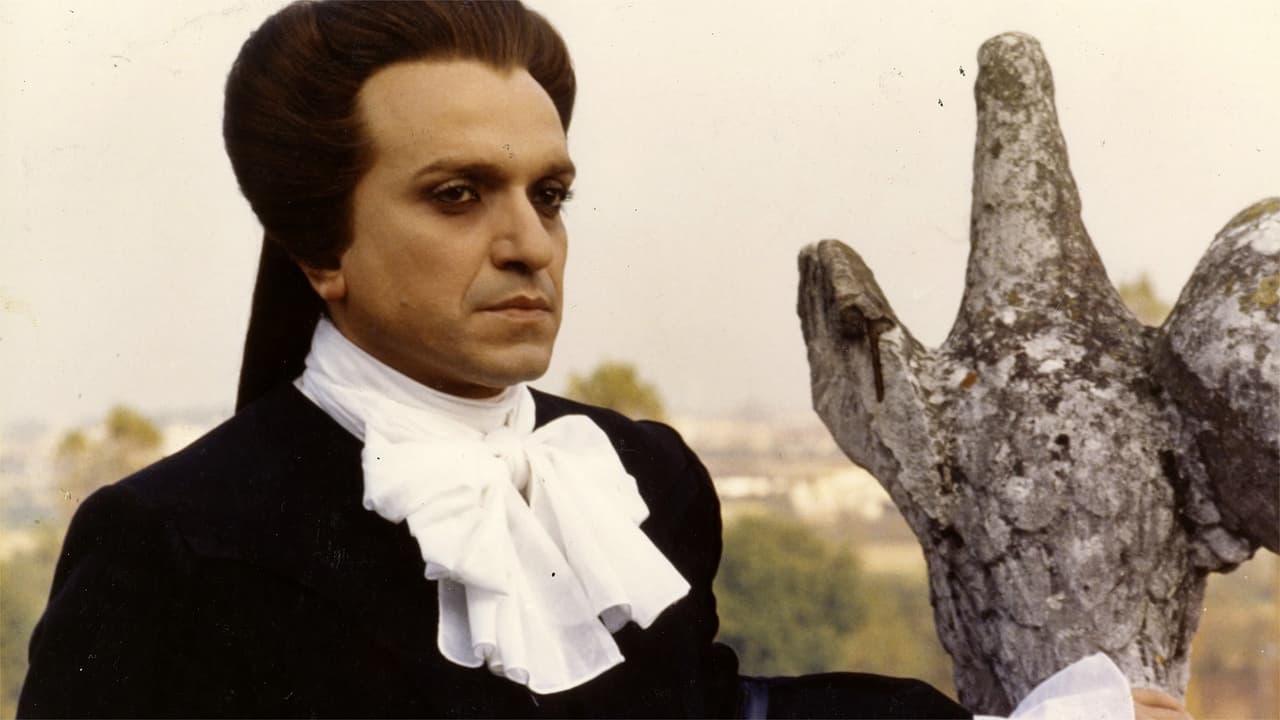
The famous nobleman Don Giovanni travels from town to town conquering women’s hearts, until the troubles he has created return to his own doorstep.
“Some stories are better left unspoiled.”

Ruggero Raimondi
Don Giovanni
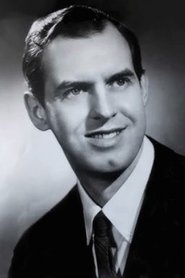
John Macurdy
The Commendatore
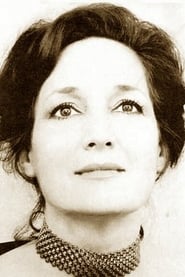
Edda Moser
Donna Anna
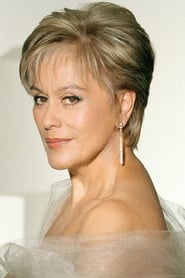
Kiri Te Kanawa
Donna Elvira
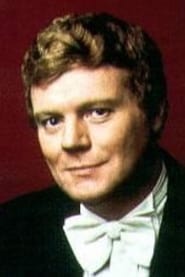
Kenneth Riegel
Don Ottavio
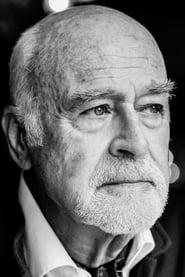
José van Dam
Leporello
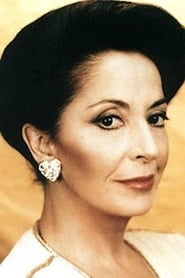
Teresa Berganza
Zerlina
Malcolm King
Masetto
Credits
Want more? Switch to Cinephile mode in the header for DP, composer, budget, box office, production companies, keywords, and release history.
Did you know?
Did you know
Clocks in at 176 minutes — on the longer side of feature-length cinema.
Did you know
47 years old — old enough to be someone's favourite childhood film.
Did you know
International production across 3 countries: Germany, Italy, France.
Did you know
Directed by Joseph Losey, shot by Gerry Fisher. Note their partnership — DPs and directors often return to each other across a career.
Did you know
Editor Reginald Beck shaped the rhythm. On an edit-heavy film, the editor does more to control your pulse than the director.
Did you know
Ruggero Raimondi and John Macurdy and Edda Moser carry the top of the cast.
Did you know
IMDB entry: tt0079063 — still the authoritative cross-reference for credits and trivia.
Did you know
Only 42 TMDB ratings — you're getting ahead of the curve on this one.
Cinephile deep dive
Joseph Losey directs. Gerry Fisher behind the camera. Reginald Beck cuts. A long sit — settle in. Produced in Germany, Italy, France. Dialogue in Italian.
Trivia
Awards
Individual records documented via Wikidata; the summary above may count more.
Also by
Stills · wallpapers
Full-resolution frames — open one to save it as a wallpaper.
Trailers & featurettes
Community reviews
Frustrating rendition of Mozart's masterpiece. The singers are all first-rate, and led by Lorin Maazel and the Orchestra of the Paris Opera. But the direction by Losey and his team is unfocused, and seems to care more about making some confused socio-political commentary, and not so much about telling a clear story. (For just one example, what in the world has Losey done to the sextet in Act 2? Does that scene make any sense?) In short, here you will find magnificent Mozart, and lousy Losey.
I’m not usually a fan of cinematic adaptations of opera. They often resort to the lazy convenience of the photography and forget to include the heart and soul of the subject. Those elements are especially important with this dark and self-destructive tale of the womanising “Giovanni” (Ruggero Raimondi). Right from the start when he kills the father (John Macurdy) of one of his many lovers, though, Joseph Losey manages to interweave the sumptuous details of Venetian settings with intricate costumes and he manages to successfully ensure that the libretto is clearly and energetically heard as this ghostly tale of human frailty unfolds. To be honest, when you have Mozart at his most creative played out in the hands of Raimondi; Edda Moser as the daughter of the murdered man; Macurdy and the powerful soprano of Kiri Te Kanawa then it’s hard to imagine how he could have gone wrong - and he doesn’t. It’s a lavish enterprise. You don’t really need to know the story beforehand (though it does help) as I find it one of the more straightforward plots to follow. That said, it isn’t a simple story and the characters offer plenty for us to get our teeth into and to wrap our ears around as we watch a real drama emerge from the torch-lit granite and marble, with powerful arias and duets delivered with emotion and oomph. If you can see it in one go on a big screen, then that does most justice to this stylishly crafted and orchestrated interpretation of a man’s flirtation with love, lust and the fires of hell. Rousing stuff well worth your time, even if you’re not an opera buff.
Production companies

Gaumont
FR

Camera One
FR
Opera Film Produzione
IT

France 2
FR
Janus Film und Fernsehen
DE

Opéra National de Paris
FR
Themes & keywords
Release history · US
Also known as