

1 / 8
RUNTIME
Did you know
Clocks in at 151 minutes — on the longer side of feature-length cinema.
MoodPlayr · trivia#01
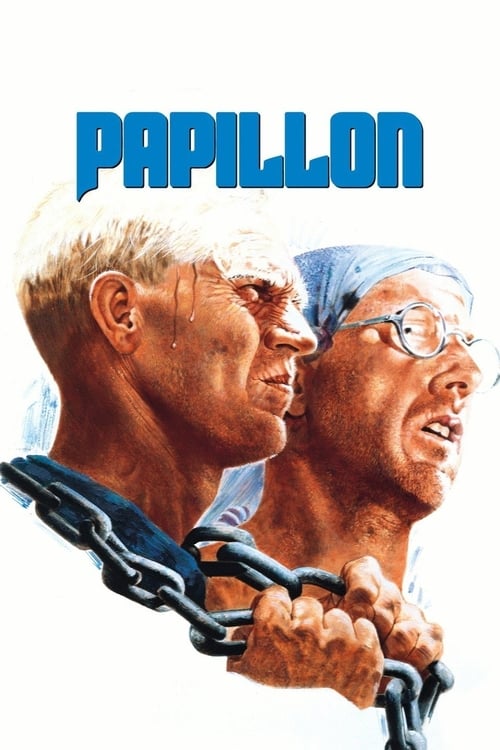
"The greatest adventure of escape!"
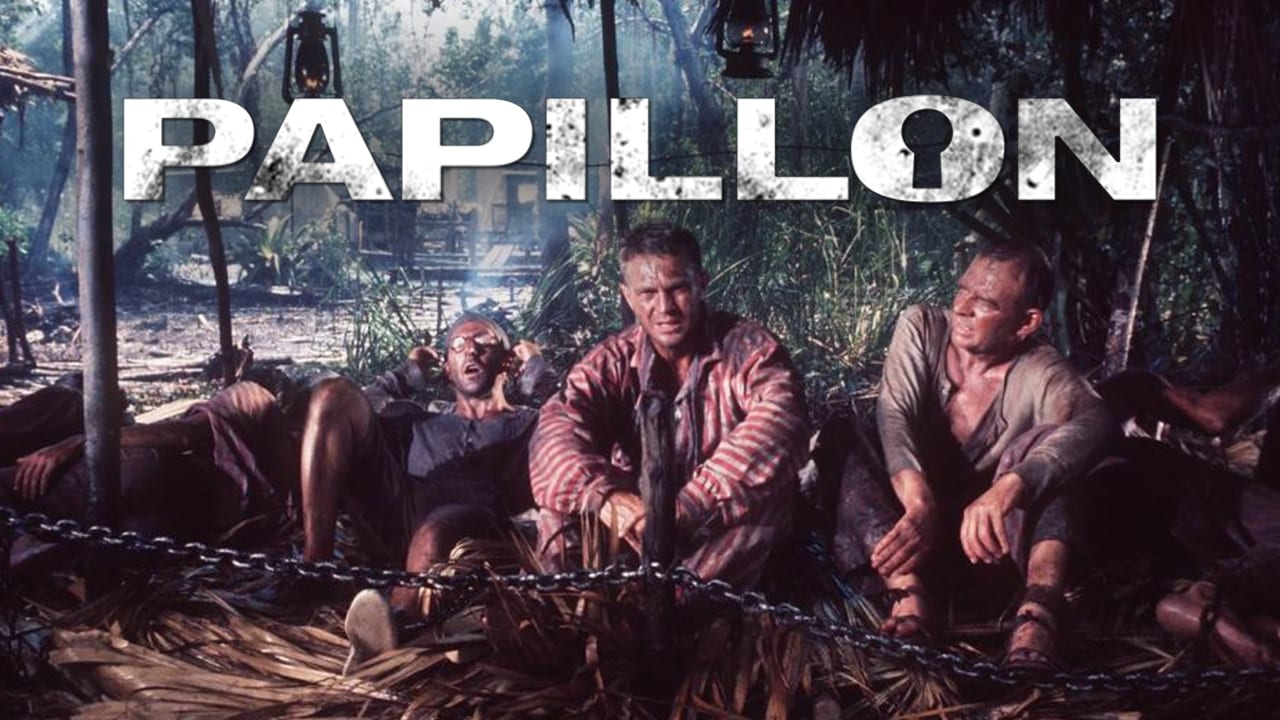
A man befriends a fellow criminal as the two of them begin serving their sentence on a dreadful prison island, which inspires the man to plot his escape.
“The greatest adventure of escape!”
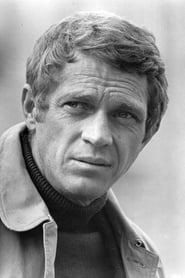
Steve McQueen
Henri "Papillon" Charriere
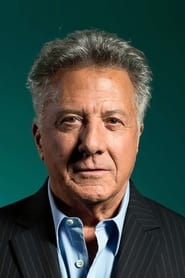
Dustin Hoffman
Louis Dega
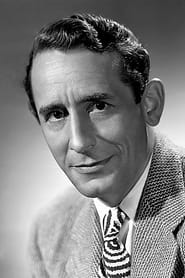
Victor Jory
Indian Chief
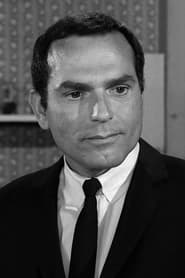
Don Gordon
Julot
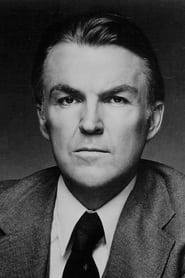
Anthony Zerbe
Toussaint
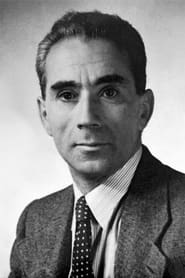
Robert Deman
Maturette
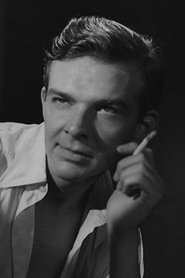
Woodrow Parfrey
Clusiot
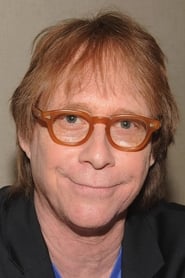
Bill Mumy
Lariot
Credits
Want more? Switch to Cinephile mode in the header for DP, composer, budget, box office, production companies, keywords, and release history.
Did you know?
Did you know
Clocks in at 151 minutes — on the longer side of feature-length cinema.
Did you know
Made its money back 4.4× over at the box office.
Did you know
53 years old — a genuine piece of film history.
Did you know
Dialogue crosses 2 languages: English, Spanish.
Did you know
International production across 2 countries: United States of America, France.
Did you know
Directed by Franklin J. Schaffner, shot by Fred J. Koenekamp. Note their partnership — DPs and directors often return to each other across a career.
Did you know
Original score by Jerry Goldsmith. Worth a dedicated listen after — most great films lose half their impact without the score.
Did you know
Editor Robert Swink shaped the rhythm. On an edit-heavy film, the editor does more to control your pulse than the director.
Cinephile deep dive
Franklin J. Schaffner directs. Fred J. Koenekamp behind the camera. Jerry Goldsmith scores. Robert Swink cuts. Made its budget back several times over at the box office. Produced in United States of America, France. Dialogue in English, Spanish.
Trivia
Also by
Stills · wallpapers
Full-resolution frames — open one to save it as a wallpaper.
Trailers & featurettes
Community reviews
Grim and authentic telling of Henri "Papillon" Charrière's time at Devil's Island. Directed by Franklin J. Schaffner (Planet Of The Apes/Patton), Papillon is adapted for the screen by Dalton Trumbo & Lorenzo Semple Jr. from notorious French felon Henri "Papillon" Charrière's own novel. It stars Steve McQueen (Papillon) & Dustin Hoffman (Louis Dega), is primarily shot in Jamaica & Spain with Fred J. Koenekamp (The Towering Inferno) on photography duties and Jerry Goldsmith provides the score. Henri "Papillon" Charrière was a crook, a bad egg, he however was sent to the notorious, inescapable, prison fortress of Devil's Island for a murder he didn't commit. The film, as is the book, is a fictionalised account of Charrière's time at the penal colony. The film is probably best described as being a stirring drama of friendship under duress, endurance and opportunism, all neatly blended with an adventure based heart. Schaffner directs it with great technical skill, for in a film with minimal dialogue, he manages to perfectly stifle the viewer with a hot sweaty atmosphere. Something that is crucial for us to feel the confines of this penal colony life. These men are doing hard time, lets not soft soap it Hollywood style, lets get the feel right, something, that much like Don Siegel also did in 79 with his excellent Escape From Alcatraz, Schaffner does exceptionally well. He is helped enormously by two fabulous performances from McQueen & Hoffman. McQueen is in his element as Papillon. Always an actor whose ability for dominating scenes without using histrionic acting was undervalued, Papillon goes some way to readdressing the myth that he was more about iconography than actual talent. His solitary confinement scenes are sublime, without saying barely a word. As Papillon stave's off starvation, madness and disease, McQueen has such a powerful and believable presence, he pulls us into that five by five paces cell with him. Incredible! Once again tho the Academy ignored McQueen's excellent work and the film only received the one Oscar nomination for Goldsmith's pinging tropical score. Hoffman's great work was something of a given, meticulous as usual in his preparation {he had studied for weeks about penal colony life}, he is the perfect foil for McQueen and the relationship is tender yet never twee. Fine support also comes from Anthony Zerbe as a compassionate leader of a leper colony & Victor Jory as an Indian Chief. The production was an expensive one, with the original budget of $4 million ballooning to $14 million, making it the most expensive film of 1973. A couple of scripts were jettisoned {money down the drain} before Schaffner enlisted Trumbo to write the screenplay. A good move because Trumbo was able to flesh out character relationships that didn't exist in the source novel. Hoffman himself was adamant that he would only play Dega if the film steered away from a buddy buddy formula and gave Dega intelligent integrity. He got it, which is credit to Trumbo since the Dega character is barely formed in the novel, in fact the film version is an amalgamation of several penal colony characters. Trumbo was rewarded with not only a considerable paycheck, but also a bit part in the movie as the colony commandant early in the piece. Initial critical reaction to the film was harsh, but the public didn't agree since the theatres were packed and the film made almost $50 million Worldwide. Making it Allied Artists most successful film ever. It has since garnered a massive fan base and has been favourably reassessed by a new wave of critics. Those old complaints about it being too sombre and too enduring to get thru just don't add up. One only has to note the thematics and essence of the story to know this fact. 9/10
Grim and authentic telling of Henri "Papillon" Charrière's time at Devil's Island. Directed by Franklin J. Schaffner (Planet Of The Apes/Patton), Papillon is adapted for the screen by Dalton Trumbo & Lorenzo Semple Jr. from notorious French felon Henri "Papillon" Charrière's own novel. It stars Steve McQueen (Papillon) & Dustin Hoffman (Louis Dega), is primarily shot in Jamaica & Spain with Fred J. Koenekamp (The Towering Inferno) on photography duties and Jerry Goldsmith provides the score. Henri "Papillon" Charrière was a crook, a bad egg, he however was sent to the notorious and inescapable prison fortress of Devil's Island for a murder he didn't commit. The film, as is the book, is a fictionalised account of Charrière's time at the penal colony. The film is probably best described as being a stirring drama of friendship under duress, endurance and opportunism, all neatly blended with an adventure based heart. Schaffner directs it with great technical skill, for in a film with minimal dialogue, he manages to perfectly stifle the viewer with a hot sweaty atmosphere. This is crucial for us to feel the confines of this penal colony life. These men are doing hard time, lets not soft soap it Hollywood style, lets get the feel right, something, that much like Don Siegel also did in 79 with his excellent Escape From Alcatraz, Schaffner does exceptionally well. He is helped enormously by two fabulous performances from McQueen & Hoffman. McQueen is in his element as Papillon. Always an actor whose ability for dominating scenes without using histrionic acting was undervalued, Papillon goes some way to readdressing the myth that he was more about iconography than actual talent. His solitary confinement scenes are sublime, and this without saying barely a word. As Papillon staves off starvation, madness and disease, McQueen has such a powerful and believable presence that he pulls us into that five by five paces cell alongside him. Incredible! Once again though the Academy ignored McQueen's excellent work and the film only received just the one Oscar nomination for Goldsmith's pinging tropical score. Hoffman's great work was something of a given, meticulous as usual in his preparation (he had studied for weeks about penal colony life), he is the perfect foil for McQueen and the relationship between them is tender yet never twee. Fine support also comes from Anthony Zerbe as a compassionate leader of a leper colony & Victor Jory as an Indian Chief. The production was an expensive one, with the original budget of $4 million ballooning to $14 million, making it the most expensive film of 1973. A couple of scripts were jettisoned (money down the drain) before Schaffner enlisted Trumbo to write the screenplay. A good move because Trumbo was able to flesh out character relationships that didn't exist in the source novel. Hoffman himself was adamant that he would only play Dega if the film steered away from a buddy buddy formula and gave Dega intelligent integrity. He got it, which is credit to Trumbo since the Dega character is barely formed in the novel, in fact the film version is an amalgamation of several penal colony characters. Trumbo was rewarded with not only a considerable paycheck, but also a bit part in the movie as the colony commandant early in the piece. Initial critical reaction to the film was harsh, but the public didn't agree since the theatres were packed and the film made almost $50 million Worldwide. This made it Allied Artists most successful film ever. It has since garnered a massive fan base and has been favourably reassessed by a new wave of critics. Those old complaints about it being too sombre and too enduring to get through just don't add up. One only has to note the thematics and essence of the story to know that this is indeed fact. 8/10
Although present for much of the filming, author Henri Charriere didn't live to see the release of PAPILLON (1973), which was based on his allegedly autobiographical novel. The veracity of what he recounts has been questioned virtually since the books' release in 1969, and the film takes further liberties, leaving one to wonder if this adventure picture is more fiction than fact. What one doesn't have to wonder about, however, are the results achieved by an underrated director at the top of his craft; a bracing Jerry Goldsmith score; marvelous cinematography by Fred Koenekamp; and spot-on performances by Steve McQueen, Dustin Hoffman, and a stellar supporting cast which features some of the best character actors of the period.
Production companies
Allied Artists Pictures
US
Solar Productions
Corona-General
Themes & keywords
Release history · US
Also known as