

1 / 8
MONEY
Did you know
Shot for just $3.4M — micro-budget by Hollywood standards.
MoodPlayr · trivia#01
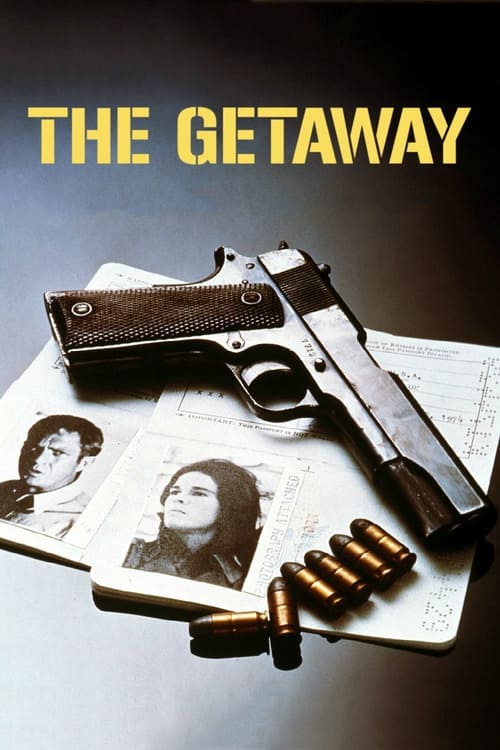
"It takes two to make it … The big two."
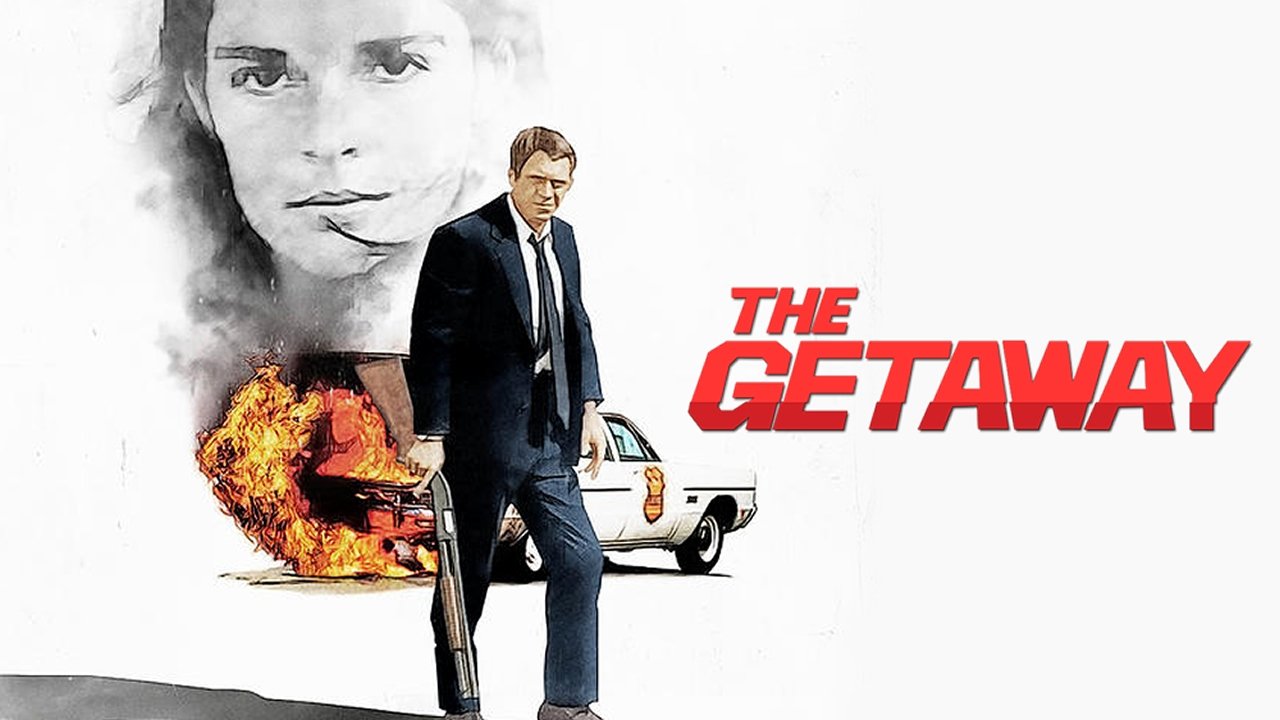
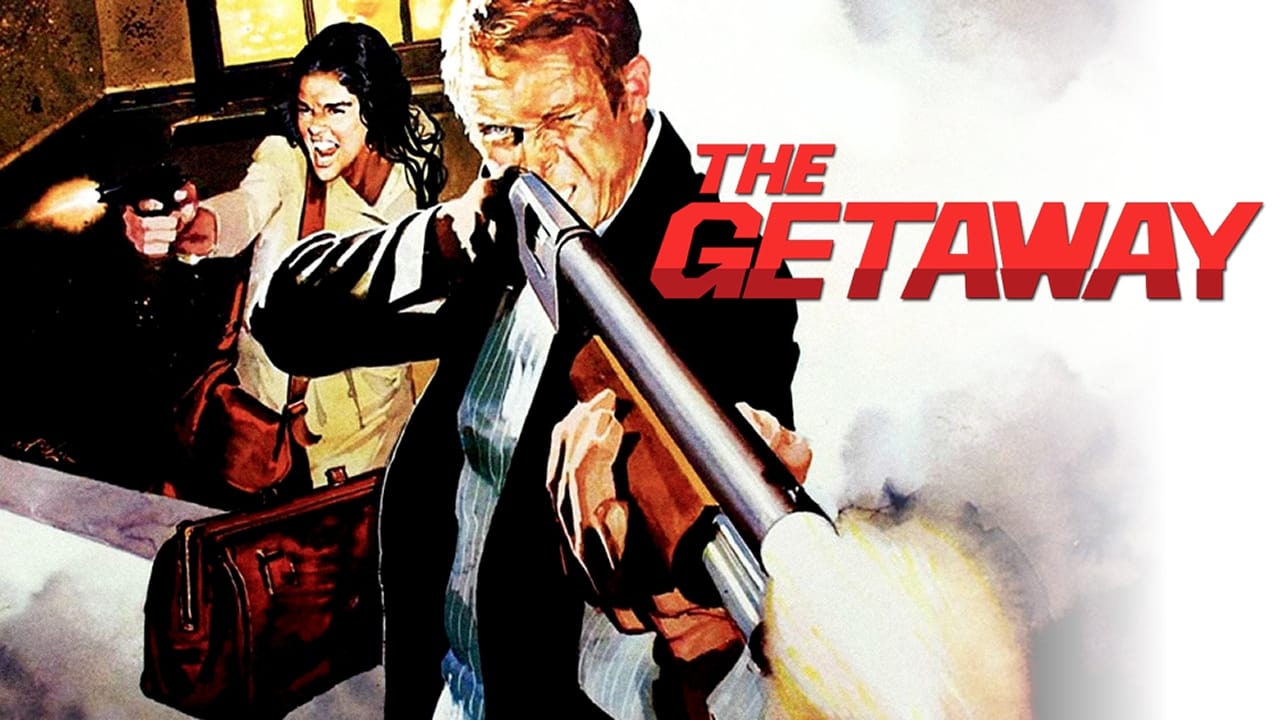
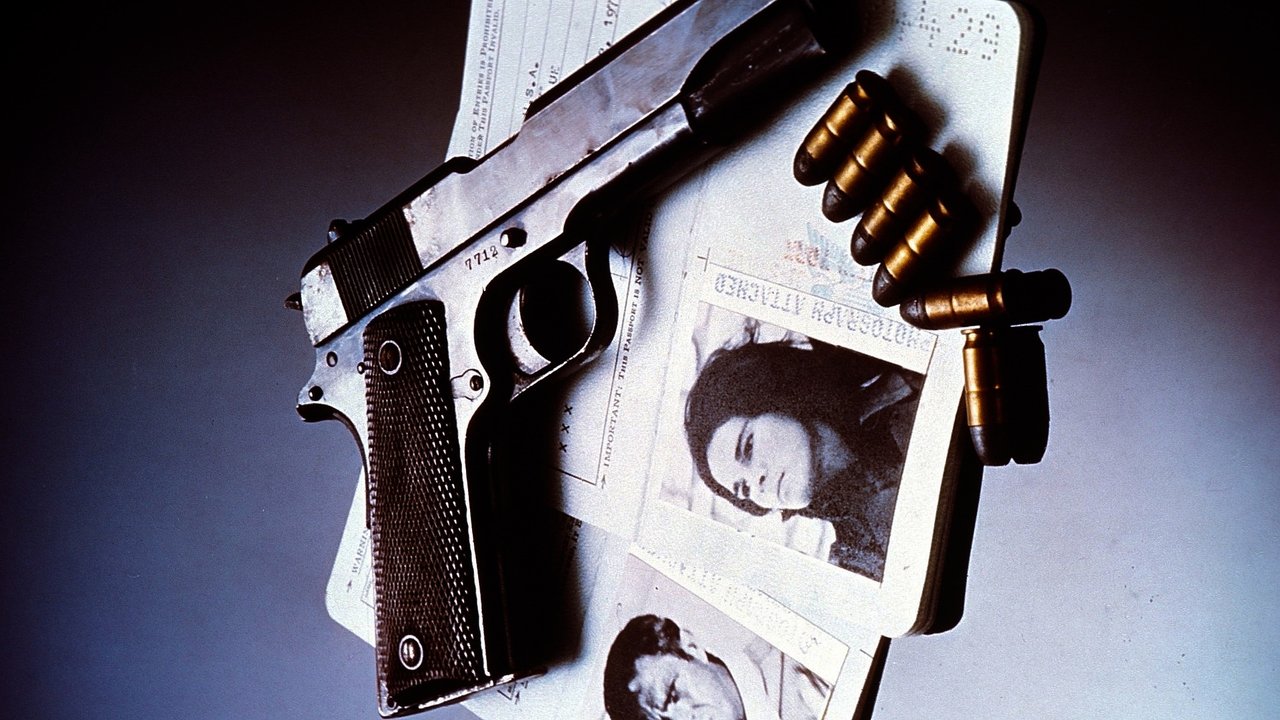
A recently released ex-convict and his loyal wife go on the run after a heist goes wrong.
“It takes two to make it … The big two.”
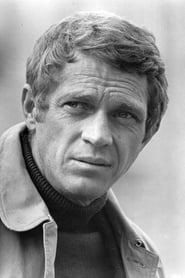
Steve McQueen
Carter "Doc" McCoy
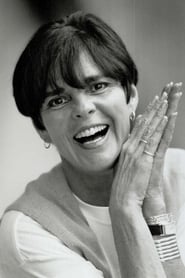
Ali MacGraw
Carol McCoy
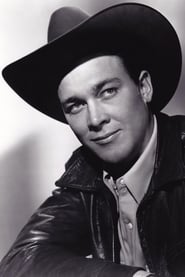
Ben Johnson
Jack Beynon

Sally Struthers
Fran Clinton
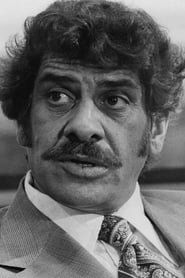
Al Lettieri
Rudy Butler
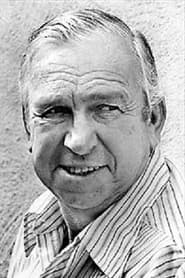
Slim Pickens
Cowboy
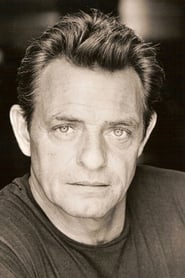
Richard Bright
The Thief

Jack Dodson
Harold Clinton
Credits
Want more? Switch to Cinephile mode in the header for DP, composer, budget, box office, production companies, keywords, and release history.
Did you know?
Did you know
Shot for just $3.4M — micro-budget by Hollywood standards.
Did you know
Grossed $37M — a 11.0× return. The kind of profit studios chase for a decade.
Did you know
54 years old — a genuine piece of film history.
Did you know
Dialogue crosses 2 languages: English, Spanish.
Did you know
Directed by Sam Peckinpah, shot by Lucien Ballard. Note their partnership — DPs and directors often return to each other across a career.
Did you know
Original score by Quincy Jones. Worth a dedicated listen after — most great films lose half their impact without the score.
Did you know
Editor Robert L. Wolfe shaped the rhythm. On an edit-heavy film, the editor does more to control your pulse than the director.
Did you know
Steve McQueen and Ali MacGraw and Ben Johnson carry the top of the cast.
Cinephile deep dive
Sam Peckinpah directs. Lucien Ballard behind the camera. Quincy Jones scores. Robert L. Wolfe cuts. Made its budget back several times over at the box office. Produced in United States of America. Dialogue in English, Spanish.
Trivia
Awards
1 win & 2 nominations total
Also by
Stills · wallpapers
Full-resolution frames — open one to save it as a wallpaper.
Trailers & featurettes
Community reviews
Steve McQueen, Ali MacGraw and others chasing a bag of cash in Texas A prisoner in Huntsville (McQueen) is released early due to his wife (MacGraw) making a deal with a corrupt official (Ben Johnson). The cost of his freedom is to head a bank heist in San Marcos with the officer’s questionable henchmen (Al Lettieri and Bo Hopkins). O, what a tangled web we weave. “The Getaway” (1972) is a crime thriller written by Walter Hill based on Jim Thompson’s book and was director Sam Peckinpah’s second most successful film at the box office, after “Convoy” six years later. It was remade in 1994 with Alec Baldwin and influenced soon-to-come movies like “The Outfit,” "Dirty Mary, Crazy Larry," "Thunderbolt and Lightfoot" and “The Gauntlet,” as well as later ones like “No Country for Old Men.” If you like those flicks, you’ll appreciate this one, although it ranks with the least of ’em IMHO. Why? Because the bank job is unnecessarily convoluted, not to mention expensive, with the myriad pre-caper photographs, a cliched last-minute briefing session in a basement, severing electrical cables in the sewer tunnels and even diversionary explosions. Why Sure! Then there’s the curious train station sequence with a convenient con man that’s inserted into the midsection, which I admit is entertaining in a Hitchcockian way. Lastly, despite some amusing bits, the proceedings are shrouded by a pessimistic and ugly perspective. I get that the protagonists are antiheroes, but the film needed more glimmerings of nobility and love, and less murderous venality. “Pulp Fiction” is a good example. Ali looks good on the feminine front and is, thankfully, way less annoying than her character in “Love Story.” Blonde Sally Struthers eventually appears and never looked better at 23 during shooting, but her character is a ditzy turnoff. McQueen would marry costar MacGraw seven months after the movie’s release, but their marriage would only last five years. It runs 2 hours, 2 minutes, and was shot entirely in Texas at Huntsville (prison), San Marcos (bank robbery), San Antonio (train station), Fabens (city street confrontation) and El Paso (Laughlin Hotel). GRADE: B-/C+
Production companies
Foster-Brower Productions

First Artists
US
Solar Productions
National General Pictures
Tatiana Films
Themes & keywords
Release history · US
Also known as