
1 / 8
ERA
Did you know
Released 5 years ago.
MoodPlayr · trivia#01
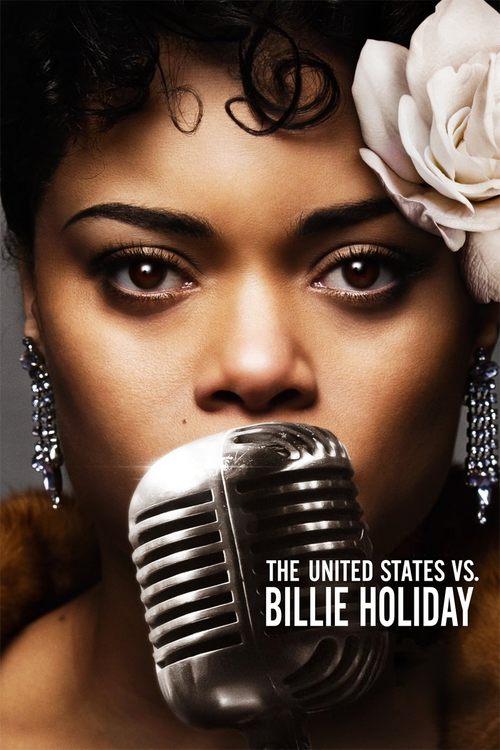
"Her voice would not be silenced."
Billie Holiday spent much of her career being adored by fans. In the 1940s, the government targeted Holiday in a growing effort to racialize the war on drugs, ultimately aiming to stop her from singing her controversial ballad, "Strange Fruit."
“Her voice would not be silenced.”
Where to watch · US
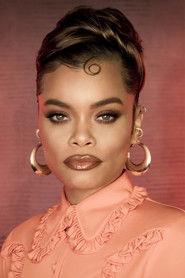
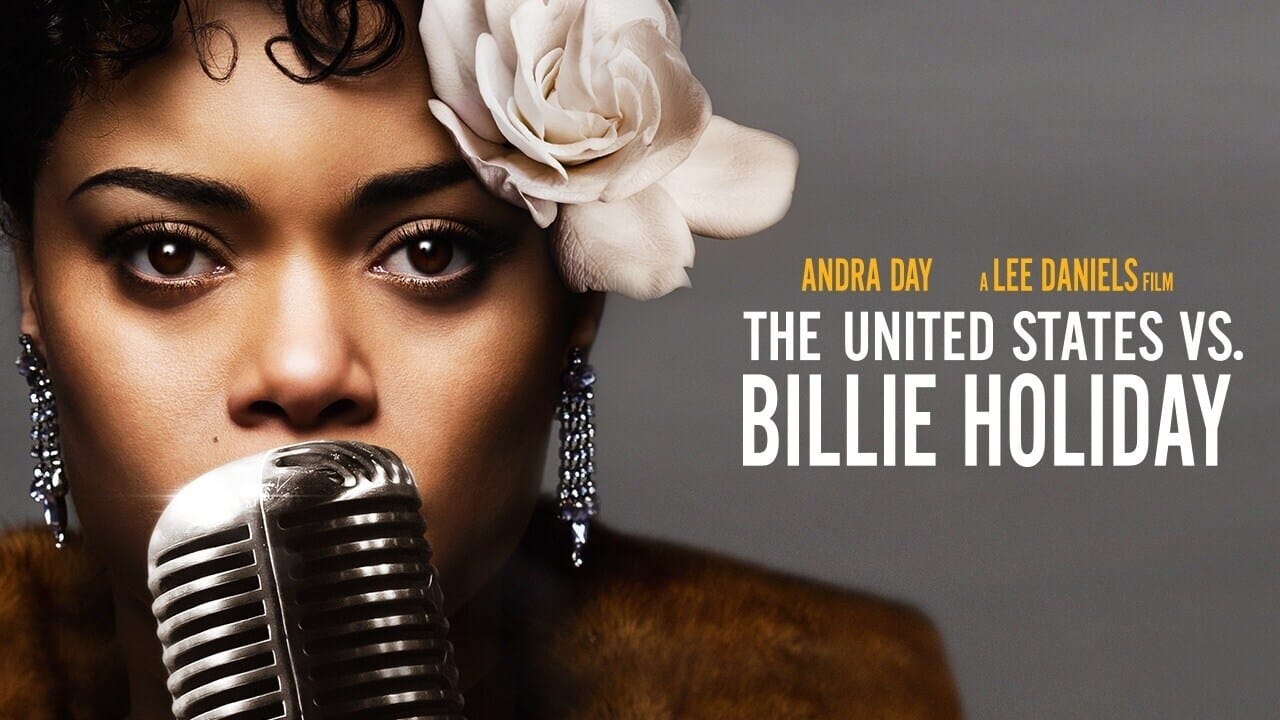
Andra Day
Billie Holiday
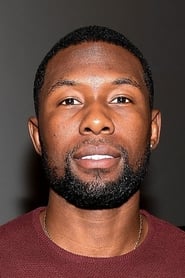
Trevante Rhodes
Jimmy Fletcher

Garrett Hedlund
Harry Anslinger
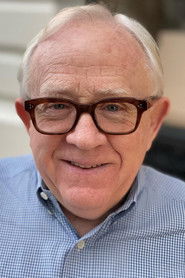
Leslie Jordan
Reginald Lord Devine

Miss Lawrence
Miss Freddy
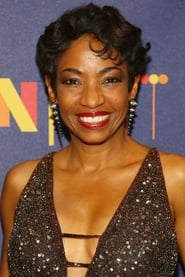
Adriane Lenox
Mrs. Fletcher
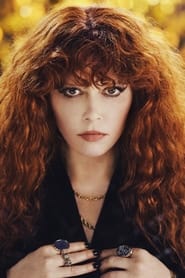
Natasha Lyonne
Tallulah Bankhead
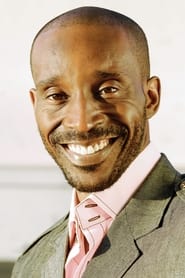
Rob Morgan
Louis McKay
Credits
Want more? Switch to Cinephile mode in the header for DP, composer, budget, box office, production companies, keywords, and release history.
Did you know?
Did you know
Released 5 years ago.
Did you know
Dialogue crosses 5 languages: Mandarin, English, French, German, Italian.
Did you know
437+ people credited in cast and crew — a small city's worth of labour.
Did you know
Directed by Lee Daniels, shot by Andrew Dunn. Note their partnership — DPs and directors often return to each other across a career.
Did you know
Original score by Kris Bowers. Worth a dedicated listen after — most great films lose half their impact without the score.
Did you know
Editor Jay Rabinowitz shaped the rhythm. On an edit-heavy film, the editor does more to control your pulse than the director.
Did you know
Andra Day and Trevante Rhodes and Garrett Hedlund carry the top of the cast.
Did you know
Marketing tagline: "Her voice would not be silenced.".
Cinephile deep dive
Lee Daniels directs. Andrew Dunn behind the camera. Kris Bowers scores. Jay Rabinowitz cuts. Produced in United States of America. Dialogue in Mandarin, English, French, German, Italian.
Trivia
Also by
Stills · wallpapers
Full-resolution frames — open one to save it as a wallpaper.
Trailers & featurettes
Community reviews
If you enjoy reading my Spoiler-Free reviews, please follow my blog @ https://www.msbreviews.com Even though I love listening to jazz, I've never been to a concert or a club specific to this type of music. Following this train of thought, I didn't know anything about Billie Holiday's real-life story and her tremendous impact not only in the respective musical genre but also in the fight against the government concerning the evil, shameful act of lynching - which shockingly still occurs today in some countries. Strange Fruit, a poem written by Abel Meeropol, became incredibly controversial due to its brutal lyrics describing the said act, comparing the victim to the fruit of trees. The adapted song has been referenced as the beginning of the civil rights movement, and Andra Day's performance is the standout of a quite disappointing film. I just watched The Mauritanian - a movie "based on true events" - earlier this week, and I wrote in its review that I'm almost always captivated by the main story in this type of film, even if the rest doesn't quite hold up. The United States vs. Billie Holiday is a biographical movie inspired by the singer's life, but besides Day's powerful display and memorable music, I struggle to find any other positively relevant aspects. Daniel T. Dorrance's fabulous production design is hard to ignore, as is Kris Bowers' attention-grabbing score. However, these two rarely compensate for the jumbled editing (Jay Rabinowitz), untidy screenplay (Suzan-Lori Parks), and even Lee Daniels' erratic direction. From the awkward, swift transitions to black-and-white and back to color to the lack of connection between cuts and even storylines, it's incredibly hard to feel captivated by such a visually confusing film. Suzan-Lori Parks' script enters a monotonous, repetitive cycle of depicting Billie Holiday heavily smoking and taking drugs, followed by singing a full song and having sex with a random man, all while trying countless times to stop her bad habits. On one hand, Billie Holiday is a strong, proud Black woman who's trying to fight for what's right through her beautiful singing voice and astonishing tenacity. On the other hand, the viewers have to endure numerous sequences of despicable behavior from someone who doesn't look like a good influence at all. I understand that a protagonist doesn't have to be perfect, much on the contrary. Nevertheless, the narrative structure is so incoherent and raises so many moral questions regarding the true essence of the main character that I couldn't help but feel disengaged from her story. The only interesting moments are the musical performances which might be the only storytelling detail that works as a connecting point to what comes next or as a reference to what happened just before. Every other scene is seemingly detached from the next one, and Lee Daniels struggles to find the right path. The only storytelling component well-developed from beginning to end is the successful build-up to the performance of Strange Fruit. In the end, Andra Day is the savior of what could have been a massive disaster. Her interpretation is one of the most impressive debut performances I've seen in the last few years. Ignoring her indisputably fantastic singing voice, Day shows a remarkable emotional range and a physical commitment to the role that not many actresses are capable of. She outshines every single element in the movie, including the remaining cast. Day is the only reason why I kept getting "dragged" to the screen. Sadly, one person isn't enough to overcome dozens of significant issues. The United States vs. Billie Holiday could have been an inspirational, impactful story about Billie Holiday's influence not only in jazz music but mainly in the fight for equal civil rights. Instead, Lee Daniels' inconsistent direction and Suzan-Lori Parks' extremely messy screenplay are just two of many issues that transform this film into an absolute letdown. From the awful editing that detaches almost every storyline from each other to the questionable storytelling decisions regarding the repetitive, tiresome narrative structure, it becomes surprisingly difficult to fully support the protagonist's behavior. Neat production design and engaging score, but it's Andra Day's phenomenal debut performance that saves a potential trainwreck. Her music and acting display are the two key elements that keep the movie above water. I can't properly recommend it unless there's a personal interest in the main character's life. Rating: D+
Jazz musician Billie Holiday is a legend; one of the greatest musicians of all time. Most music fans can name their favorite Holiday tune, but none caused more controversy than her song about black lynching, “Strange Fruit.” Screenwriter Suzan-Lori Parks builds her story (based on the novel by Johann Hari) around the song, one that many people claimed had un-American lyrics and provoked people “in the wrong way.” “The United States vs. Billie Holiday” is a film about racial injustice and censorship surrounding a stirring work of art that gave power to the woman who sang it, as well as the people who heard it. It was a song that ultimately led to events that ruined Holiday’s life. If you are unfamiliar with “Strange Fruit,” it would be beneficial to give it a listen before watching this film. Most of the story is based on the song, which provides a means for director Lee Daniels to start with a focused, small story and build on his larger narrative. You can’t escape the fact that this is yet another tragic artist movie where a once-in-a-lifetime talent destroys her life with drugs, booze, and poor choices. But what makes this more interesting is that Holiday (Andra Day) actually became an enemy of the United States government because of that one haunting song. Led by Harry Anslinger (Garrett Hedlund), the Federal Bureau of Narcotics painted a big target on the jazz musician’s back, using her illegal drug addiction as an excuse to barge through the door to complete their real mission: censorship of an African-American artist. This is an interesting and important story of black America that needs to be unwrapped from our country’s history. It’s fantastic that more stories like this are being told, especially true events that have been long buried in popular culture. Daniels is the perfect choice to handle this biopic, and he adds some nice directorial choices and touches that stay true to his creative vision for the material. Daniels doesn’t shy away from the less idealized parts of Holiday’s life, including the heroin use and alcohol abuse that tragically ended her life at 44, and her rocky relationship with Federal Agent Jimmy Fletcher (Trevante Rhodes), the man who targeted her with an undercover sting operation. The scenes of drug use and the aftermath of a quick high become so repetitive in the film’s last half, which is a shame because all this rambling amplifies the movie’s imperfections. It’s too long, too. Jazz fans will love that the film features plenty of Holiday’s classic music, and the period set designs and costumes are astonishing on every level. Day fully steps into the shoes of a tortured artist, and she mimics Holiday’s mannerisms and stage presence very well. “The United States vs. Billie Holiday” is not an inspirational biopic, but it’s an intimate portrait of brilliant and gifted jazz singer who was tragically brought down by fame, addiction, the ghosts of her past, and the U.S. government.
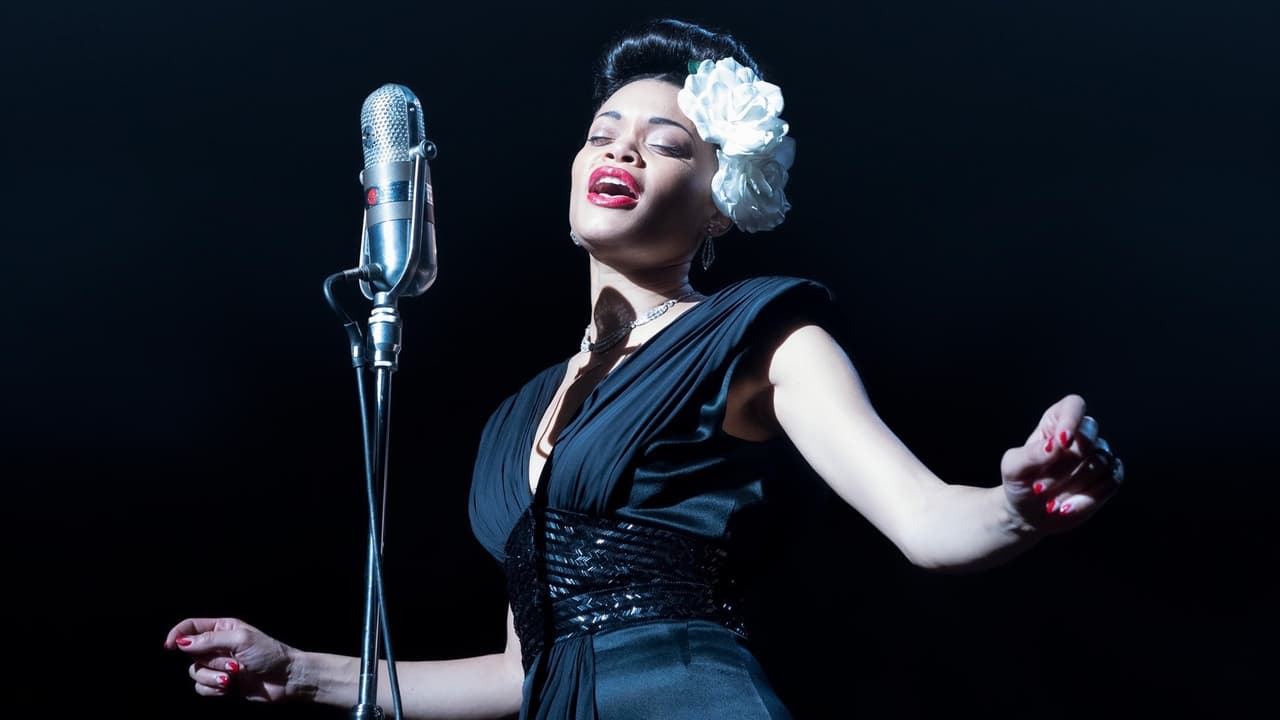
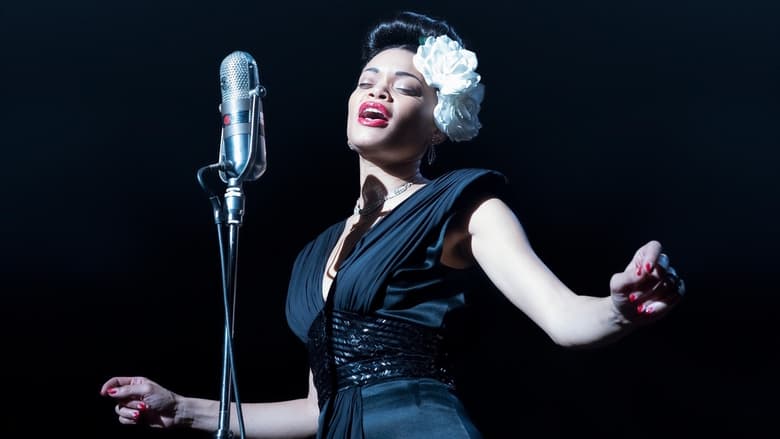
In a scene from The United States vs. Billie Holiday, Billie (Andra Day) is about to sing “Strange Fruit” in concert, which Harry J. Anslinger (Garrett Hedlund), the first commissioner of the US Treasury Department's Federal Bureau of Narcotics, had forbidden her to do. Behind the audience is a row of uniformed policemen. Billie goes straight for the first verse (even though “Strange Fruit” actually features a long instrumental intro). The cops start moving toward the stage, from which Billie is promptly spirited away by her own camp. This happens after one of Anslinger’s underlings has made it a point that "we can't arrest a negro for singing a song." One can only wonder, then, what those policemen planned to do once they had Billie within reach (I can think of a couple of things, but nothing feasible in front of witnesses). But I digress. “Strange Fruit,” a song protesting the lynching of African Americans, was popularized by Holiday, but originally written by American composer and poet Abel Meeropol – a teensy-weensy detail that the movie conveniently leaves out, perhaps because giving a white man born to Russian Jewish immigrants credit would not jibe with the film’s message. But, what is its message? That Billie Holiday was a social activist because she sang exactly one (1) song that she didn't even write? That she was an icon of equality, even though she treated her dogs better than the members of her band? That she is a role model for the African-American community, despite her liberal use of the N word? That her drug abuse was okay because men abused her all her life? That she spent a lot of time behind bars, but always as a victim of circumstance? Or that she was talented but not particularly bright? In fact, Billie is so dumb in this film that she continues to use drugs in front of the federal agent, named Jimmy Fletcher (Trevante Rhodes), who has already arrested her twice, and whom she not only treats as a member of her entourage, but also has an affair with. I don’t doubt that the makers of TUSvs.BH had good intentions, but the execution leaves a lot to be desired. The film begins and ends with brief mentions of the state of the legislature on lynching, but in between it has as little to say about it as Billie herself. It’s odd that they couldn’t find an opportunity to express some sort of opinion on the subject in a 130-minute film, but then too much valuable time is wasted on plot points that range from the unnecessary to the inexplicable. For example, the romance between Billie and Jimmy is not only a complete fabrication, but is also the cause of a sequence in which Jimmy, who gleefully partakes in Billie’s substance use, has a drug-induced vision of her childhood. Why would he have such an experience, and why would anyone care about it? This is the kind of thing that makes me think drugs were as readily available to the filmmakers as to the characters.
Production companies

Lee Daniels Entertainment
US

Roth-Kirschenbaum Films
US
Themes & keywords
Release history · US
Also known as