

1 / 8
ERA
Did you know
Released 8 years ago.
MoodPlayr · trivia#01

"When everyone gets silent, there are no innocents"
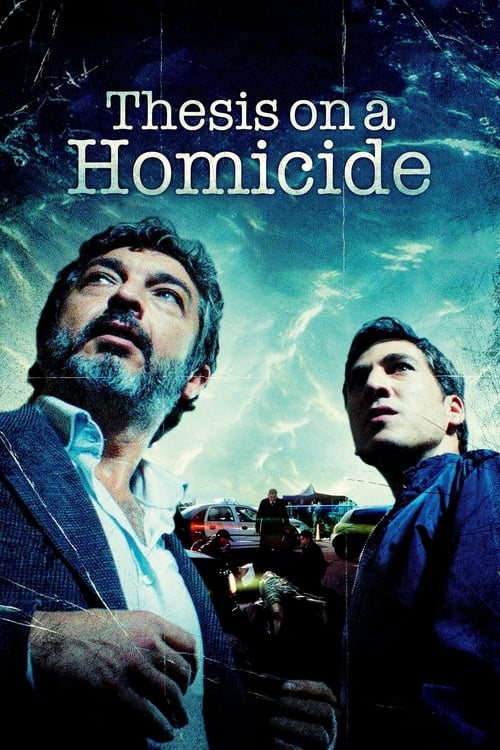
A small town in an Argentinian province, 1975. The life of Claudio, a successful lawyer, gets complicated when he has a stupid quarrel with a stranger in a crowded restaurant.
“When everyone gets silent, there are no innocents”
Where to watch · US

Darío Grandinetti
Claudio

Andrea Frigerio
Susana

Alfredo Castro
Detective Sinclair

Diego Cremonesi
The Hippie / Dieguito

Laura Grandinetti
Paula

Claudio Martínez Bel
Vivas

Susana Pampín
Professor
Rafael Federman
Santiago
Credits
Want more? Switch to Cinephile mode in the header for DP, composer, budget, box office, production companies, keywords, and release history.
Did you know?
Did you know
Released 8 years ago.
Did you know
International production across 6 countries: Argentina, Brazil, Germany, Netherlands, France, Switzerland.
Did you know
Directed by Benjamín Naishtat, shot by Pedro Sotero. Note their partnership — DPs and directors often return to each other across a career.
Did you know
Original score by Vincent van Warmerdam. Worth a dedicated listen after — most great films lose half their impact without the score.
Did you know
Editor Andrés Quaranta shaped the rhythm. On an edit-heavy film, the editor does more to control your pulse than the director.
Did you know
Darío Grandinetti and Andrea Frigerio and Alfredo Castro carry the top of the cast.
Did you know
Marketing tagline: "When everyone gets silent, there are no innocents".
Did you know
IMDB entry: tt8956390 — still the authoritative cross-reference for credits and trivia.
Cinephile deep dive
Benjamín Naishtat directs. Pedro Sotero behind the camera. Vincent van Warmerdam scores. Andrés Quaranta cuts. Produced in Argentina, Brazil, Germany, Netherlands, France, Switzerland. Dialogue in Spanish.
Trivia
Awards
Individual records documented via Wikidata; the summary above may count more.
Also by
Trailers & featurettes
Community reviews
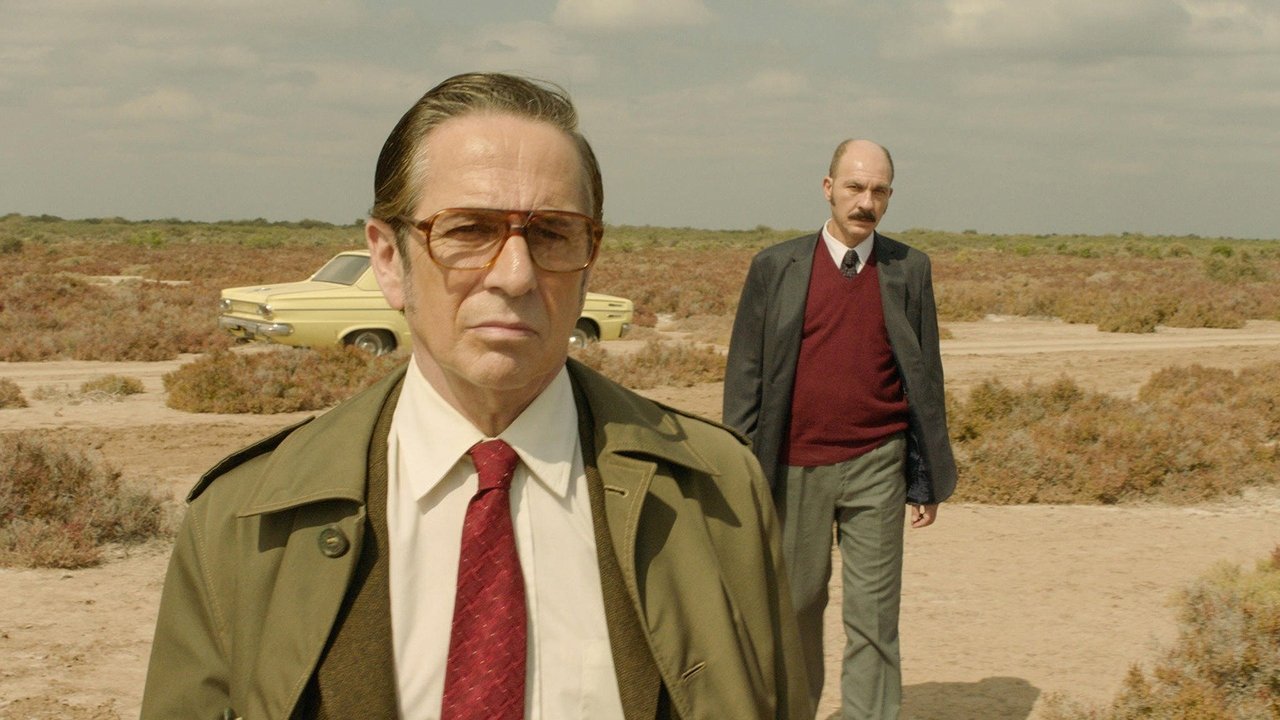
Through the story of a lawyer (led by Darío Grandinetti) facing an unexpected event, Benjamín Naishtat articulates a powerful political policeman and a true sociological essay on the miseries of a town in an unnamed province of Argentina in 1975 and its apparent normality at a turbulent stage in its history. And with great cinematography. It is 1975. Claudio (Darío Grandinetti) is the Doctor, a prestigious lawyer from a town in an unnamed province of Argentina, married to Susana (Andrea Frigerio) and with a teenage daughter. A tense incident with a stranger (Diego Cremonesi) in a town restaurant will be the first in a series of events that will call into question the Doctor's calm. Actually, the first scene of the film is another, a powerful fixed shot over a house, in a scene of enormous eloquence. For those who do not know, or do not remember, in 1975 Isabel Perón ruled and Argentina was already devastated by the kidnappings and murders of the Triple A (Alianza Anticomunista Argentina), a parapolice organization linked to the Government, in a true advance of what that it would be state terrorism established by the civil-military dictatorship that overthrew Isabel in 1976. Red is a remarkable and disturbing film. Its plot suffers an apparent drift by situations that seem disconnected but that in reality are integrated into a powerful and implacable X-ray of an era: violence (sometimes left out of the field), disappearances, dispossession, looting of the victims, the swindle, the silence, the imposture, the impunity. But all under a layer of apparent normality and within the framework of a province intervened to "restore" it. Naishtat's film could be defined as a sociological and political black cop. Each scene is a necessary note (and never underlined) on the general picture, including the successful scene on a beach in Mar del Plata. From the formal point of view, the filmic recreation of the time is remarkable, with that tone between faded and sepia that dominates photography and its red titles. There is a great use of still shots and beautiful wide shots in desert locations. Grandinetti's very good performance, while the apparent over-acting of a character who later appears in charge of Alfredo Castro (the actor from I'm afraid of a bullfighter), also has its justification. The school device could not be absent in this story, when a teacher (Susana Pampín) rehearses with Claudio's daughter and other classmates the dance Los Salvajes from the opera Las Indias Galantes by Rameau (a luxury of the soundtrack) for an act school and what he says to put them in position for the scene, in what constitutes a disturbing stagin
Production companies

PUCARÁ cine
AR

Bord Cadre Films
CH

Desvia
BR

Ecce Films
FR

Viking Film
NL

Sutor Kolonko
DE

Le Tiro Cine
AR
JEMPSA
AR
Themes & keywords
Release history · US
Also known as