1 / 8
MONEY
Did you know
Shot for just $0.8M — micro-budget by Hollywood standards.
MoodPlayr · trivia#01
"The final vision of a controversial filmmaker."
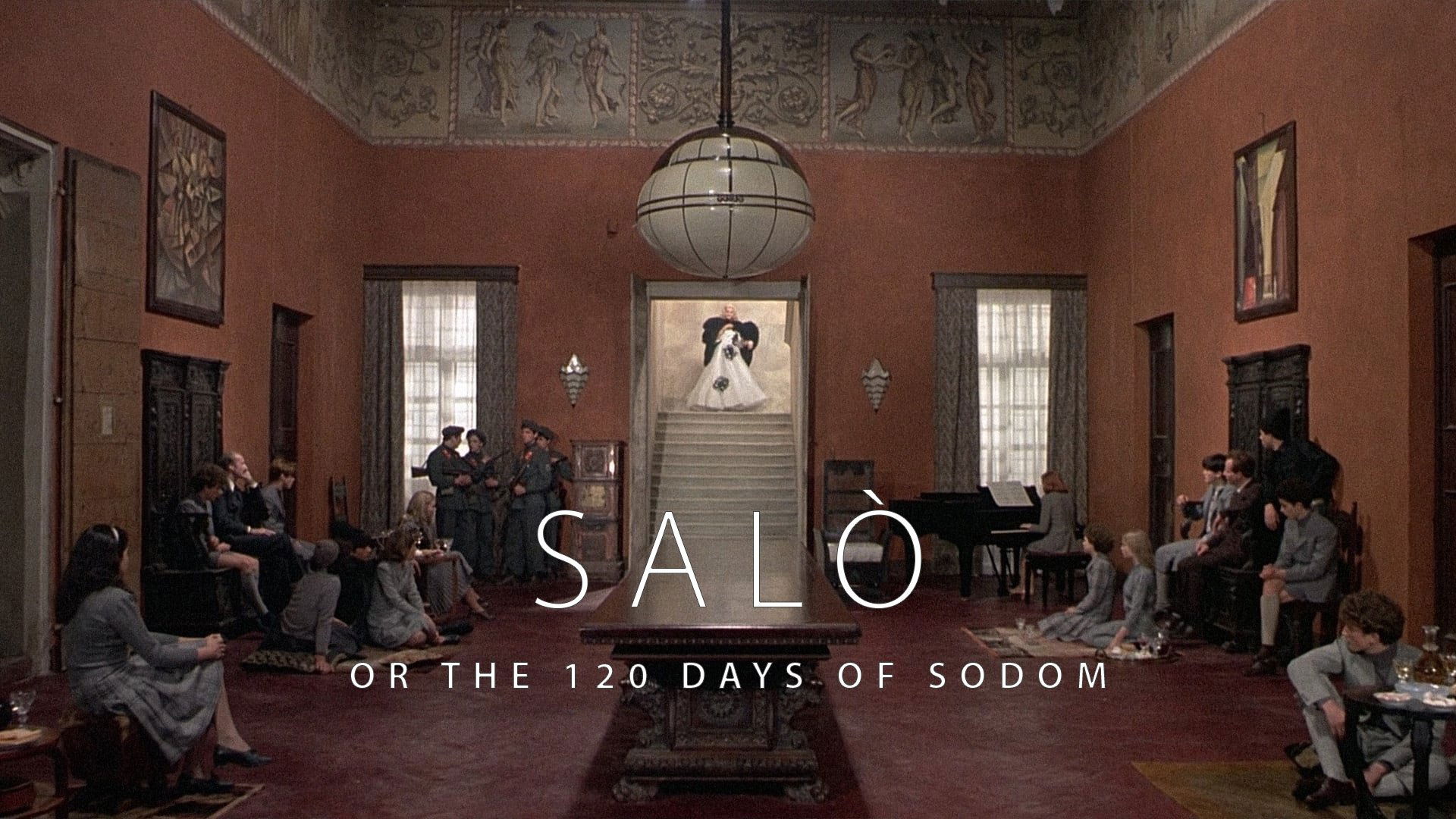
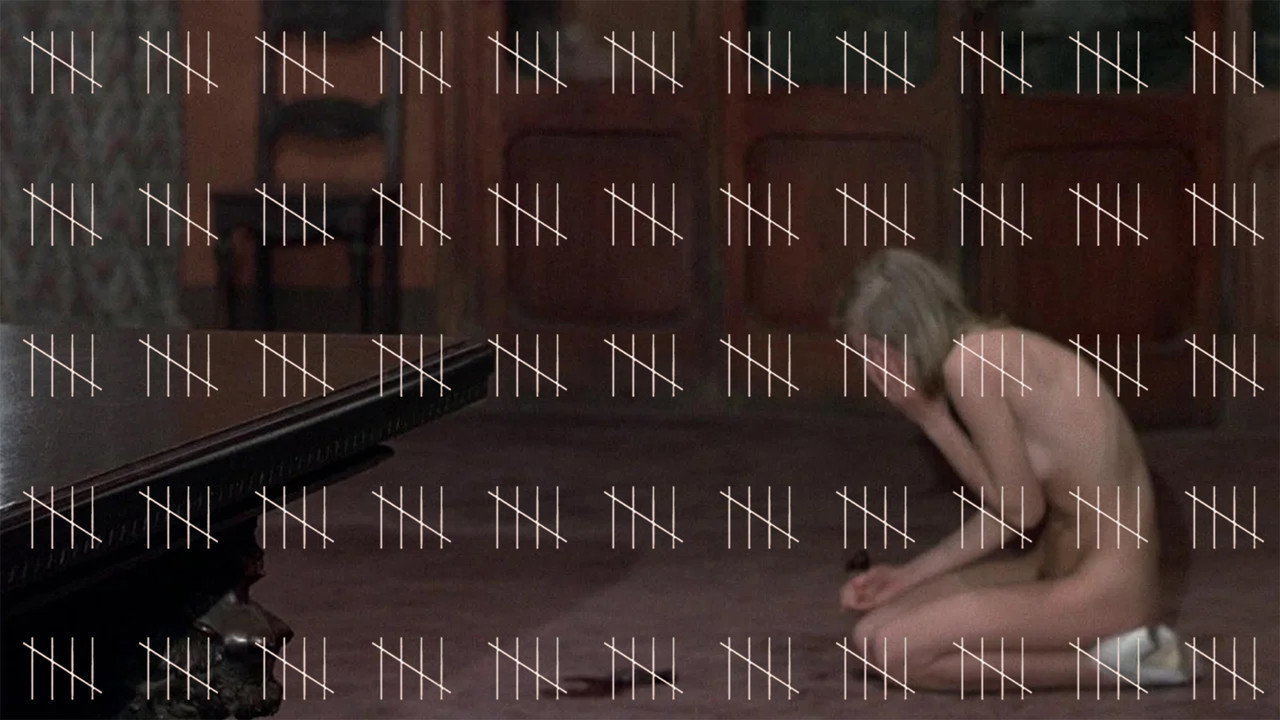
Four corrupted fascist libertines round up 9 teenage boys and girls and subject them to 120 days of sadistic physical, mental and sexual torture.
“The final vision of a controversial filmmaker.”
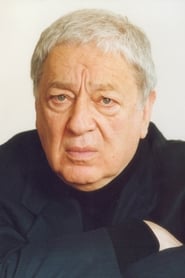
Paolo Bonacelli
The Duke
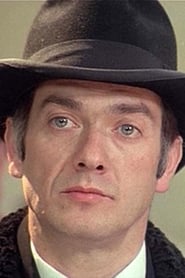
Giorgio Cataldi
The Bishop
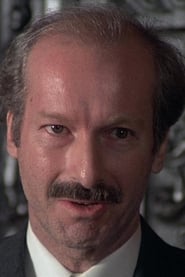
Uberto Paolo Quintavalle
The Magistrate
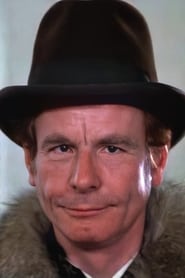
Aldo Valletti
The President
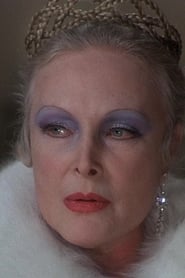
Caterina Boratto
Signora Castelli

Elsa De Giorgi
Signora Maggi
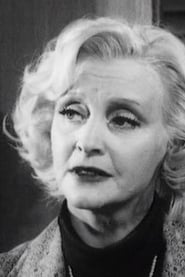
Hélène Surgère
Signora Vaccari

Sonia Saviange
The Pianist
Credits
Want more? Switch to Cinephile mode in the header for DP, composer, budget, box office, production companies, keywords, and release history.
Did you know?
Did you know
Shot for just $0.8M — micro-budget by Hollywood standards.
Did you know
50 years old — a genuine piece of film history.
Did you know
Dialogue crosses 3 languages: German, French, Italian.
Did you know
International production across 2 countries: Italy, France.
Did you know
Directed by Pier Paolo Pasolini, shot by Tonino Delli Colli. Note their partnership — DPs and directors often return to each other across a career.
Did you know
Editor Nino Baragli shaped the rhythm. On an edit-heavy film, the editor does more to control your pulse than the director.
Did you know
Paolo Bonacelli and Giorgio Cataldi and Uberto Paolo Quintavalle carry the top of the cast.
Did you know
Marketing tagline: "The final vision of a controversial filmmaker.".
Cinephile deep dive
Pier Paolo Pasolini directs. Tonino Delli Colli behind the camera. Nino Baragli cuts. Profitable at the box office. Produced in Italy, France. Dialogue in German, French, Italian.
Trivia
Also by
Stills · wallpapers
Full-resolution frames — open one to save it as a wallpaper.
Trailers & featurettes
Community reviews
Well you have to hand it to Pier Paolo Pasolini - he had one hell of an imagination. Here he devises a story of a group of nine young men and women who are apprehended by four powerful Fascist officials and held captive for use in some of the most degrading and painful games of sex, humiliation and abuse. I was warned not to eat chocolate before I saw this, and towards the end of this bizarre depiction of cruelty, depravity and exploitation it became quite clear why - and I'd reiterate that here. There is something profoundly desperate about the film. It has nothing even vaguely redeeming about it. Is it allegorical? Perhaps Pasolini is swiping at what he perceived to be the beginning of the disposable culture? Perhaps the illustration of mankind at it's more obscene offers us his perspective on just what humanity had become by the mid 1970s? In any case, this is frankly rather a disgusting film to watch and though I did feel the ending had a great deal of suitable retribution to it, I still struggled to quite get my head around this epitome of man's inhumanity to their own kind. I doubt I shall ever watch it again, but it packed out the cinema in which I watched it and there was plenty of provocative conversation in the bar about it afterwards...
Wow! You can't escape the fact that this movie pushes the limits of disturbing art! Many will call it sick. I suspect the point of this film is more about the depravity and dehumanization of fascism, political corruption, totalitarianism, and morality. I have not read the Marquis de Sade's work on which this film was based. It isn't possible to "un-see" a film, so be prepared if you choose the experience. It was described to me as "horror" before I watched it, and I'm not sure it truly captures the film's genre. I can't think of a film genre that adequately describes it. I will probably never watch it again or forget the images it seared on my brain. But I was challenged to think about various political and societal themes that are still very relevant today.
Production companies
Les Productions Artistes Associés
FR

PEA
IT
Themes & keywords
Release history · US
Also known as