
1 / 7
RUNTIME
Did you know
85 minutes exactly — the "classic feature" runtime most directors aim for.
MoodPlayr · trivia#01
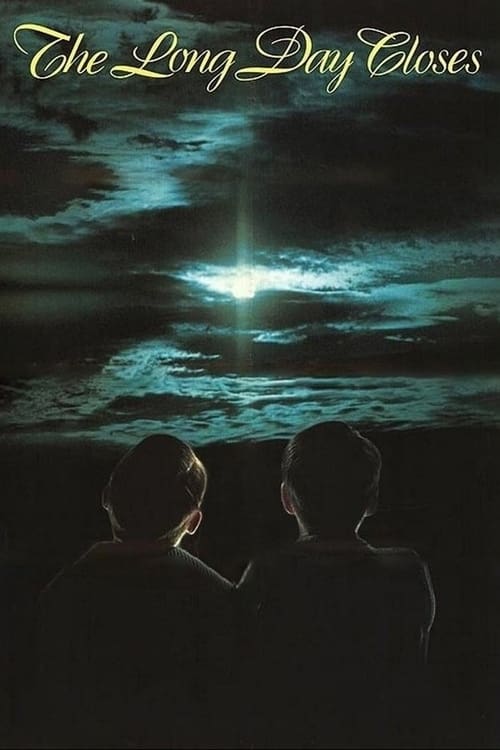
"A magical story about a boy’s love affair with the music and movies of the 50s."
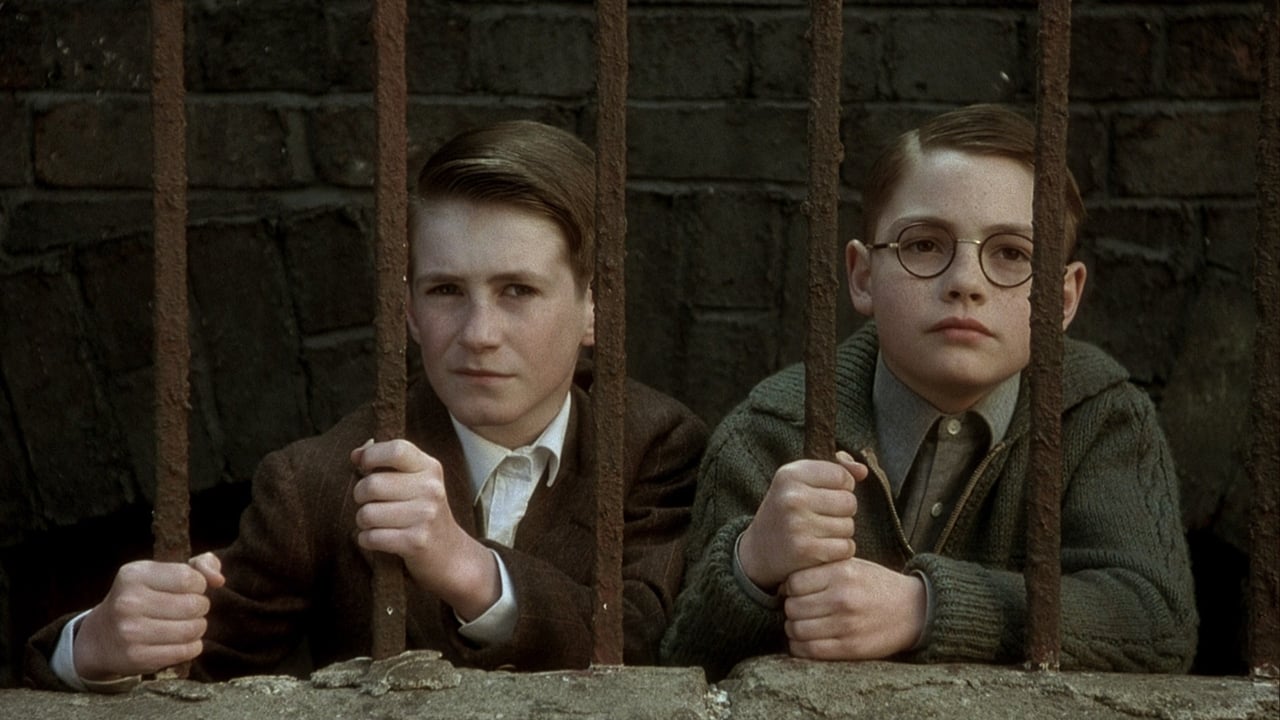
Bud is a lonely and quiet boy whose moments of solace occur when he sits in rapture at the local cinema, watching towering and iconic figures on the movie screen. The movies give Bud the strength to get through another day as he deals with his oppressive school environment and his burgeoning homosexuality.
“A magical story about a boy’s love affair with the music and movies of the 50s.”
Where to watch · US

Leigh McCormack
Bud

Marjorie Yates
Mother
Anthony Watson
Kevin
Nicholas Lamont
John
Ayse Owens
Helen

Tina Malone
Edna
Jimmy Wilde
Curly
Robin Polley
Mr Nicholls
Credits
Want more? Switch to Cinephile mode in the header for DP, composer, budget, box office, production companies, keywords, and release history.
Did you know?
Did you know
85 minutes exactly — the "classic feature" runtime most directors aim for.
Did you know
34 years old — old enough to be someone's favourite childhood film.
Did you know
Directed by Terence Davies, shot by Michael Coulter. Note their partnership — DPs and directors often return to each other across a career.
Did you know
Editor William Diver shaped the rhythm. On an edit-heavy film, the editor does more to control your pulse than the director.
Did you know
Leigh McCormack and Marjorie Yates and Anthony Watson carry the top of the cast.
Did you know
Marketing tagline: "A magical story about a boy’s love affair with the music and movies of the 50s.".
Did you know
IMDB entry: tt0104753 — still the authoritative cross-reference for credits and trivia.
Cinephile deep dive
Terence Davies directs. Michael Coulter behind the camera. William Diver cuts. Runs lean at under 100 minutes. Produced in United Kingdom. Dialogue in English.
Trivia
Also by
Trailers & featurettes
Community reviews
Okay, I get it. This movie is artistic. Plot and character development are secondary, irrelevant even perhaps. The film is about visual snapshots, emotional memories that are alternately nostalgic or slightly painful. But I think the movie tries so hard that it fails to entertain, choosing to assume that if you don’t like it, that is okay, because it means you don’t “get” it. For example, do we really need the camera to linger on an empty scene like a stairway for 15 to 30 seconds after someone has walked up them? What does that add to the emotional impact of the film? And how illustrative is it to watch the boy stare at nothing for several moments without giving us any indication what he is thinking or feeling? Shouldn’t we care? And is it good cinema to have the characters mumble so that we lean forward to hear what they are saying, only to blast us out of our seats with one of the many loud interludes of music? By all means, be artistic and atmospheric and nostalgic. But if you go far enough as to have a narrator occasionally slip in descriptions of what we are seeing, why not take it a step further and tell a bit of a story while you are at it? It would have been so easy to please the starry-eyed dreamers and couch reviewers as well as the more gauche like myself.
Why this this didn’t get even one BAFTA nomination is quite a puzzle as it’s a beautiful piece of cinema that uses it’s own industry’s nostalgia to paint a picture of a young boy longing for that intangible something we all want as our teens loom large. This story is set in a Liverpool still recovering from the end of the war, and where the young “Bud” (Leigh McCormack) lives with adoring mum (Marjorie Yates) and his three siblings. He is a quiet lad, and of course that earns him the enmity of the bullies at his local Catholic school where the cane is as much the currency as then pen. It’s not that he is lonely in any melodramatic sense, it’s that his soul is restless for a life he has seen encapsulated in his favourite place - his cinema. He could live in the place and is fascinated by everything it presents to this impressionable, open-minded, and kind-spirited eleven year old. The visuals and the glorious soundtrack are really quite strikingly used by Terence Davies here, and McCormack comes across as entirely natural throughout this engaging and remarkably unsentimental drama. There’s a lovely scene where he and Yates do a little curtain cameo of “Walk Down the Avenue” that reminded me of a youth where entertainment had to be made at home rather than just switched on, and there’s a fun game of guess the movie to be played by us as audio from the likes of “Kind Hearts and Coronets” and Orson Welles augments the proceedings. It has a more critical side too, especially as it asks questions about the benefits of a religious based education on a young man who is almost certainly never going to conform to many of it’s teachings - and that point is made even more obviously by one image that is distinctly unnerving. There is hate and intolerance here, there is hopelessness too - but there is also love, kindness and humour (usually from the sarcastically stoic Tina Malone) and sense of spirit that McCormack delivers well.
Production companies

Film Four International
GB

BFI
GB

Channel Four Films
GB
Themes & keywords
Release history · US
Also known as