

1 / 8
RUNTIME
Did you know
90 minutes exactly — the "classic feature" runtime most directors aim for.
MoodPlayr · trivia#01

"This is your brain on anime."
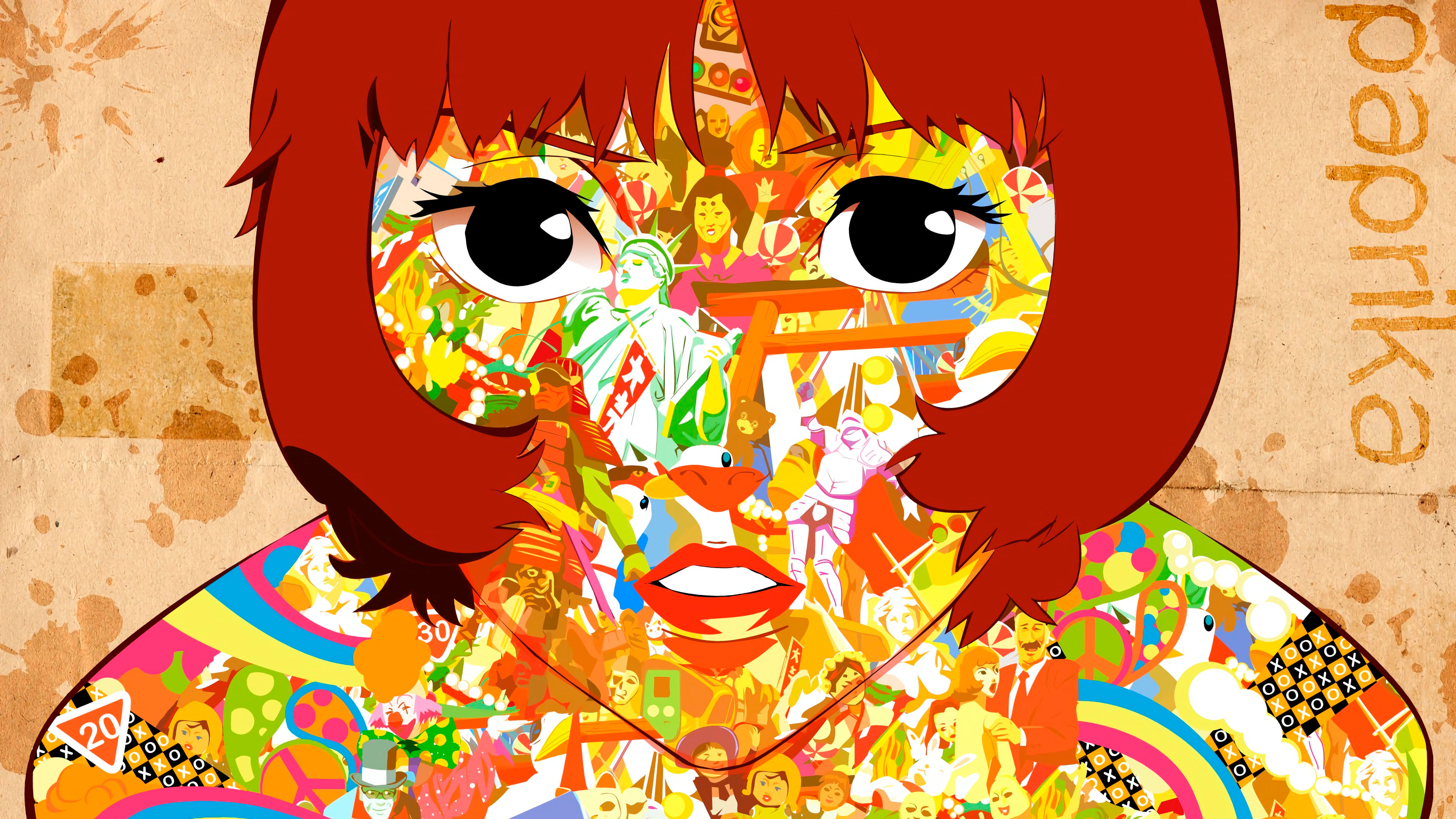
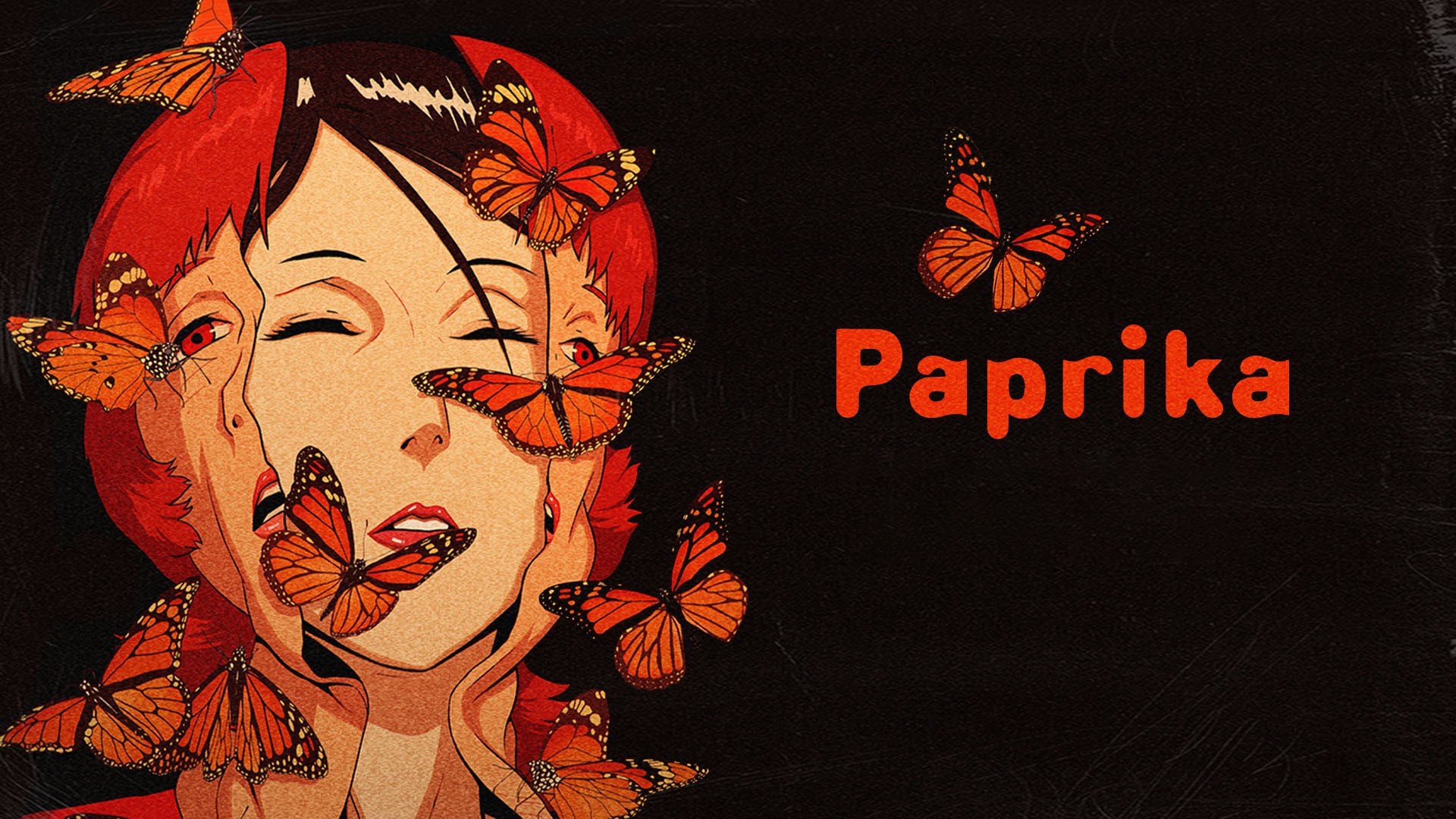
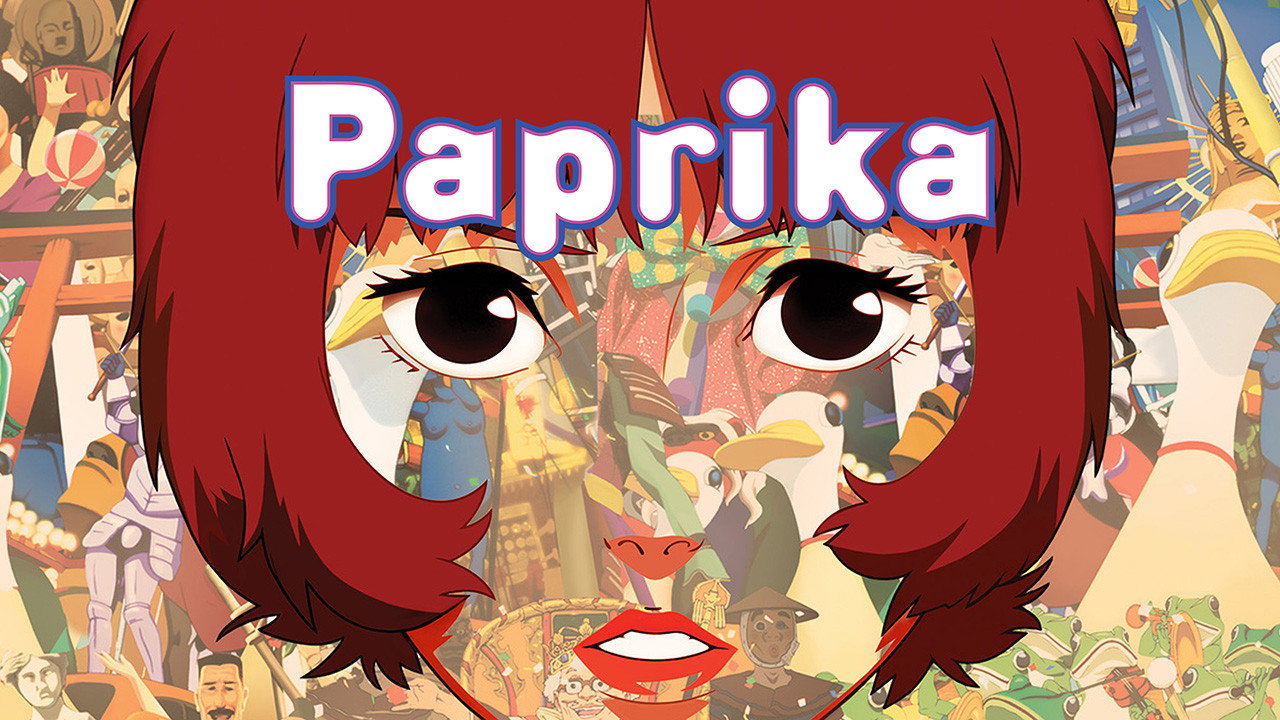
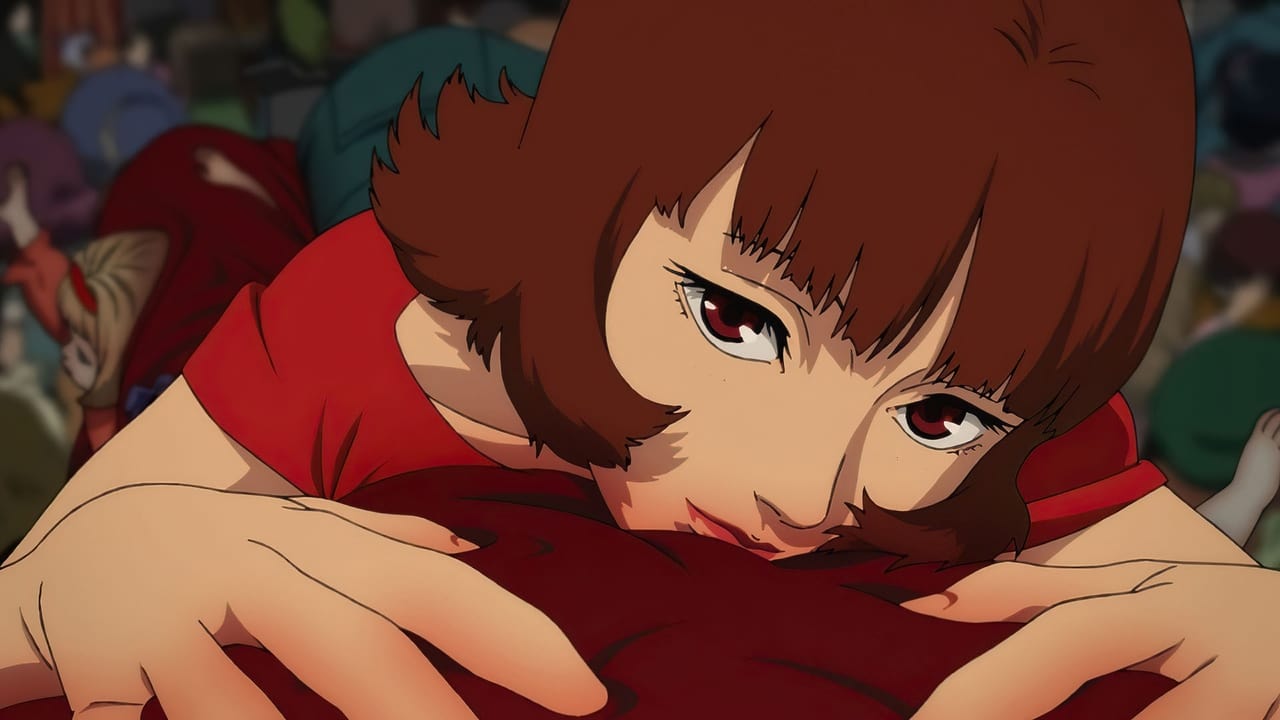
Dr. Atsuko Chiba is a research psychologist who uses a device called the DC Mini to enter her patients' dreams, wherein she adopts the alter-ego "Paprika". When the device is stolen, she must stop rogue elements from merging the dream and waking worlds.
“This is your brain on anime.”

Megumi Hayashibara
Paprika / Atsuko Chiba (voice)

Tohru Emori
Seijiro Inui (voice)

Katsunosuke Hori
Torataro Shima (voice)

Toru Furuya
Kosaku Tokita (voice)

Akio Otsuka
Toshimi Konakawa (voice)

Koichi Yamadera
Morio Osanai (voice)

Hideyuki Tanaka
Guy (voice)

Satoshi Kon
Jinnai (voice)
Credits
Want more? Switch to Cinephile mode in the header for DP, composer, budget, box office, production companies, keywords, and release history.
Did you know?
Did you know
90 minutes exactly — the "classic feature" runtime most directors aim for.
Did you know
Shot for just $2.6M — micro-budget by Hollywood standards.
Did you know
Earned back only 36% of its budget on initial theatrical — a commercial disappointment on release.
Did you know
Released 20 years ago.
Did you know
Dialogue crosses 2 languages: English, Japanese.
Did you know
Directed by Satoshi Kon, shot by Michiya Kato. Note their partnership — DPs and directors often return to each other across a career.
Did you know
Original score by Susumu Hirasawa. Worth a dedicated listen after — most great films lose half their impact without the score.
Did you know
Editor Takeshi Seyama shaped the rhythm. On an edit-heavy film, the editor does more to control your pulse than the director.
Cinephile deep dive
Satoshi Kon directs. Michiya Kato behind the camera. Susumu Hirasawa scores. Takeshi Seyama cuts. Runs lean at under 100 minutes. A commercial under-performer on release. Produced in Japan. Dialogue in English, Japanese.
Trivia
Awards
Individual records documented via Wikidata; the summary above may count more.
Also by
Stills · wallpapers
Full-resolution frames — open one to save it as a wallpaper.
Trailers & featurettes
Community reviews
Paprika sprinkles its spicy originality across a sprawling vibrant fever dream. Dreams are windows to the imaginative capacity of the subconscious. Manipulating memories to fabricate worlds unbounded by the physical laws of reality. An endless wave of colours and possibilities, requiring no legitimacy for their existence. In psychology, dreams are a method for interrogating the mentality of its subject. Recurring nightmares could be a sign of stress-induced anxiety, fear or mental disorders. The late Satoshi Kon, in what was his last full feature, harnessed the concept of Tsutsui’s novel and challenged the limitations of Japanese animation once again. Paprika is the equivalent of a hallucinogenic warped mind-bending drug-induced fever dream that tests the attentive abilities of its audience. This is as “anime” as Kon’s work gets. Bashfully bonkers. Colourfully confusing. And plenty of Paprika. Whilst ‘Perfect Blue’ is his most accessible feature for adults, Paprika tends to engage itself with fans of the art form instead. That’s not a derogatory trait to have, as it allows Kon to exercise his visionary ingenuity one last time, but the narrative requires patience. A quaint approach that resembles the personality of doctor Chiba, the head scientist of a revolutionary new psychotherapy treatment creatively entitled “Dream Therapy”. But when a dream recording device is stolen, a plague of nonsensical dreams start to merge with the realms of reality. A parade of dancing frogs, strange dolls, wiggling electronic appliances, colossal Shinto gates and golden cat statues just to name a few composites of the ominous fever dream that plagues the minds of unsuspecting dreamers. Infiltrating such a cluster bomb of visual splendour would be no simple task for Chiba’s dream alter-ego Paprika, when at one point she is groped by a colleague who physically splits her fleshed shell in half (not nearly as traumatic as it sounds though...). Yet beneath the mesmerising dream-bending extravaganza is a narrative centralising on the sophisticated theme of control. Taking one’s life back. Detective Konakawa represents this exquisitely when trialling out the “DC Mini” device to treat his anxiety. The recurring nightmarish dream regarding his homicide case prevents him from being in control of his life, unable to watch films at the cinema due to past trauma in his childhood. The amalgamation of present and past within his dream perfectly illustrates the haunting abilities that our subconscious infects our mind with. From a non-scientific perspective, it’s a large reasoning for the development of mental disorders. Of course, the underdeveloped affection Chiba has for her obese child-at-heart genius colleague Tokita somewhat negates the central narrative on psychotherapy, but still focuses on the action of taking control. She finally manages her emotions during a time of distress, and that’s exactly what Paprika revolves around. The whole dream within a dream concept, which apparently was inspiration for Nolan’s epic ‘Inception’, is just a science-fiction shell that enabled Kon to express his creativity without diminishing the novel’s sense of originality. Not to mention Hirasawa’s euphoric score which inventively utilised a vocaloid name “Lola”. Will you fully understand the story on your first watch? Unlikely. Even with the occasionally clunky dialogue that explains the psychotherapy concept. This was the first anime feature film I ever watched (excluding the likes of Pokémon...), and now four watches later I finally understand every single detail of Kon’s cinematic piece of expressionistic art. It’s science-fiction at its most gentle. It’s psychology at its most cerebral. And it’s anime at its most “anime”. Satoshi Kon, you’re a legendary visionary, and always will be.
Paprika explores a surreal world where dreams and reality collide after the dream-entering device DC Mini is stolen, unleashing chaos that erodes the boundaries between the two realms. Through striking visual contrasts—nightmarish logic, vibrant dream parades, and fractured reality—the film reveals buried trauma, guilt, and ego within each character. Ultimately, it presents dreams not as an escape, but as a mirror that forces humanity to confront what it hides deepest within. Read the full review here: (Indonesian version : alunauwie.com) and (English version : uwiepuspita.com)
Production companies

Madhouse
JP

Sony Pictures
JP
Themes & keywords
Release history · US
Also known as
 Movie
Movie2013
 Movie
Movie1997
 Movie
Movie1995
 Movie
Movie2019
 Movie
Movie1999
 Movie
Movie2020
 Movie
Movie1989
 Movie
Movie1987
 Movie
Movie2021
 Movie
Movie2021