1 / 8
RUNTIME
Did you know
Clocks in at 173 minutes — on the longer side of feature-length cinema.
MoodPlayr · trivia#01
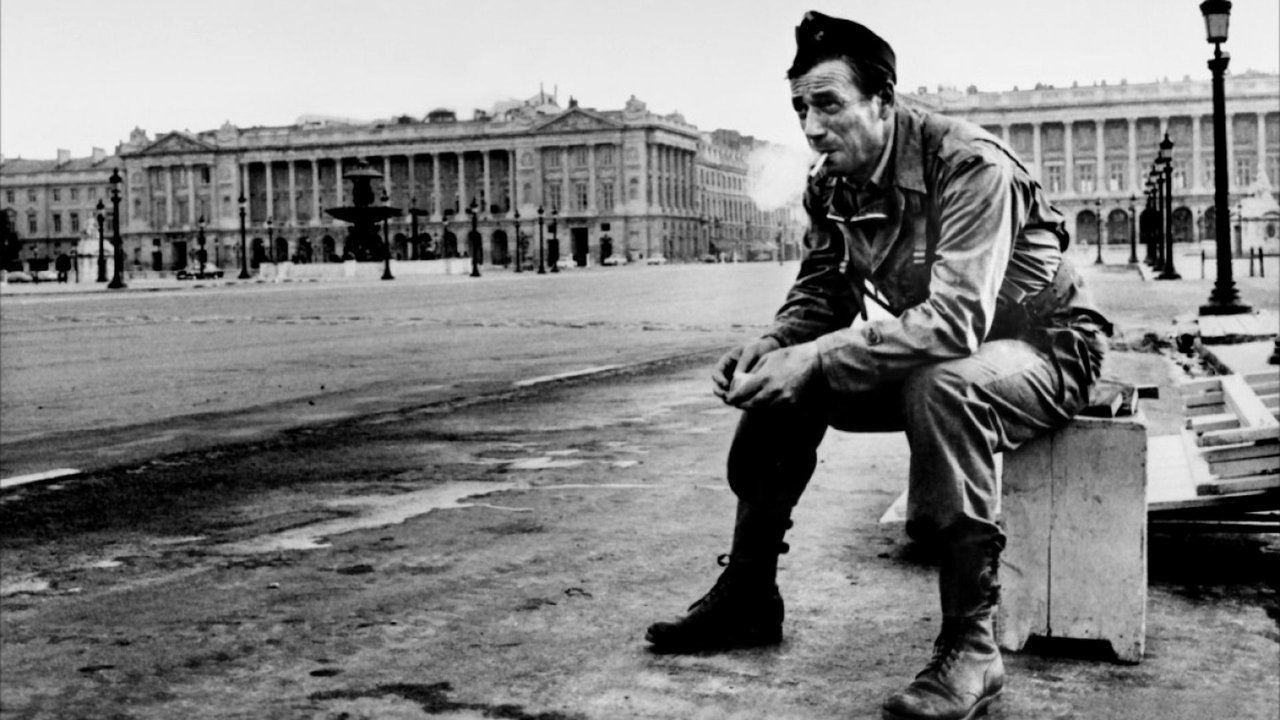
""Burn Paris!" was the order that had come shrieking over the phone."
Near the end of World War II, General Dietrich von Choltitz receives orders to burn down Paris if it becomes clear the Allies are going to invade, or if he's unable to maintain control of the city. After much contemplation, Choltitz ignores orders, enraging the Germans and giving hope to various resistance factions that the city will be liberated. Choltitz, alongside Swedish diplomat Raoul Nordling, helps a leader organise his forces.
“"Burn Paris!" was the order that had come shrieking over the phone.”
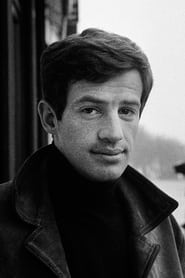
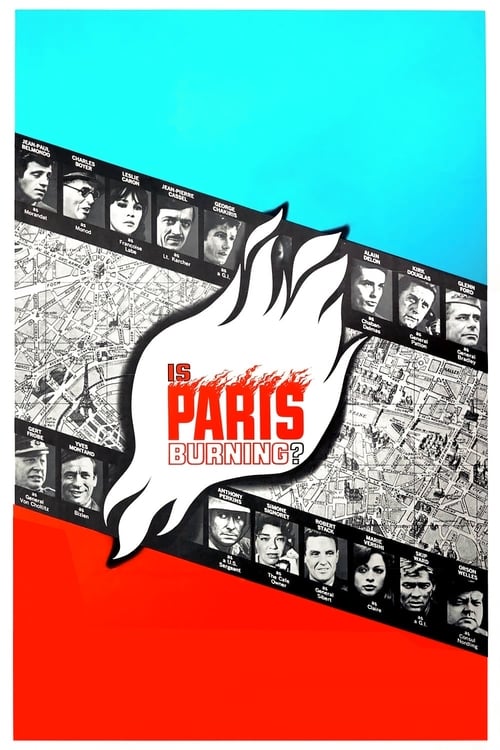
Jean-Paul Belmondo
Yvon Morandat
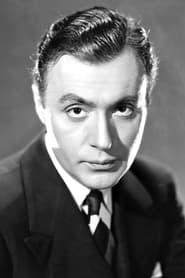
Charles Boyer
Doctor Monod

Leslie Caron
Françoise Labé

Jean-Pierre Cassel
Lt. Henri Karcher

George Chakiris
GI in Tank
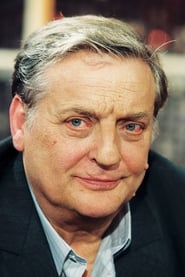
Bruno Cremer
Colonel Rol Tanguy
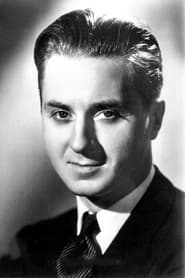
Claude Dauphin
Colonel Lebel

Alain Delon
Jacques Chaban-Delmas
Credits
Want more? Switch to Cinephile mode in the header for DP, composer, budget, box office, production companies, keywords, and release history.
Did you know?
Did you know
Clocks in at 173 minutes — on the longer side of feature-length cinema.
Did you know
60 years old — a genuine piece of film history.
Did you know
Dialogue crosses 3 languages: English, French, German.
Did you know
International production across 2 countries: France, United States of America.
Did you know
Directed by René Clément, shot by Marcel Grignon. Note their partnership — DPs and directors often return to each other across a career.
Did you know
Original score by Maurice Jarre. Worth a dedicated listen after — most great films lose half their impact without the score.
Did you know
Editor Robert Lawrence shaped the rhythm. On an edit-heavy film, the editor does more to control your pulse than the director.
Did you know
Jean-Paul Belmondo and Charles Boyer and Leslie Caron carry the top of the cast.
Cinephile deep dive
René Clément directs. Marcel Grignon behind the camera. Maurice Jarre scores. Robert Lawrence cuts. A long sit — settle in. Produced in France, United States of America. Dialogue in English, French, German.
Trivia
Awards
Nominated for 2 Oscars. 4 nominations total
Also by
Trailers & featurettes
Community reviews
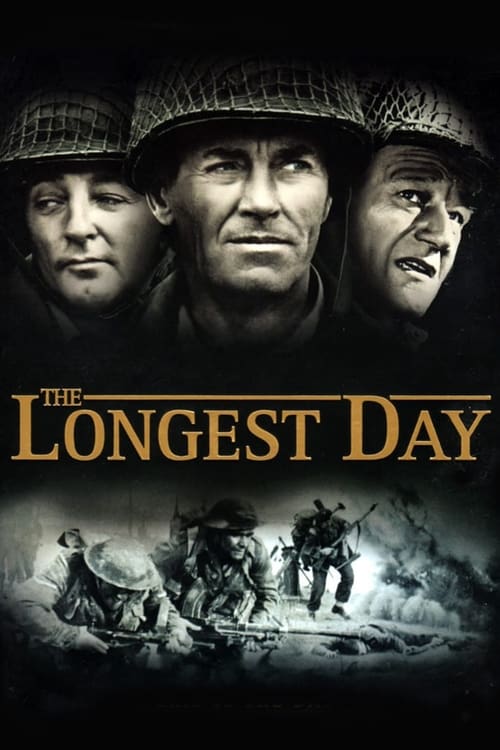
With the Allies rapidly approaching Paris, the general in charge of the city is issued with orders by his Führer to prepare plans to destroy the city. Fortunately, von Choltitz (Gert Fröbe) is not convinced that in the face of imminent defeat, this is the right thing to do - so he obeys, but in a rather lacklustre and half-hearted fashion. Meantime, scenting victory, the resistance are starting to make their own plans to seize control of increasingly larger parts of the city ready for the arrival of George Patton's American troops. René Clément has assembled a pretty stellar cast here with Jean-Paul Belmondo, Charles Boyer, Leslie Caron, Alain Delon - a veritable who's who of French cinema supported by brief cameos from Kirk Douglas and Glenn Ford. The problem for me is with the pace of the thing. It's not just that it's fractionally shy of three hours long, it's that it tries to tell the story in too bitty a fashion. We dart about the chronology and geography just a bit too often for the story to have much cohesion and there are simply too many characters for us to keep up with - a little like "The Longest Day" from 1962. It serves as a useful piece of propaganda, though, illustrating that it was to the French that the Nazis surrendered and that they were poised to ease into the civilian government of France as soon as the Swastika fell. As is always the case, the best history is always written by the winners - so I'm not sure just how accurate this is, but at least we know who emerges victorious in the end.
Production companies

Paramount Pictures
US
Marianne Productions
FR
Transcontinental Films
FR

Seven Arts Productions
US

Rastar Productions
US
Themes & keywords
Release history · US
Also known as