

1 / 8
RUNTIME
Did you know
82 minutes exactly — the "classic feature" runtime most directors aim for.
MoodPlayr · trivia#01
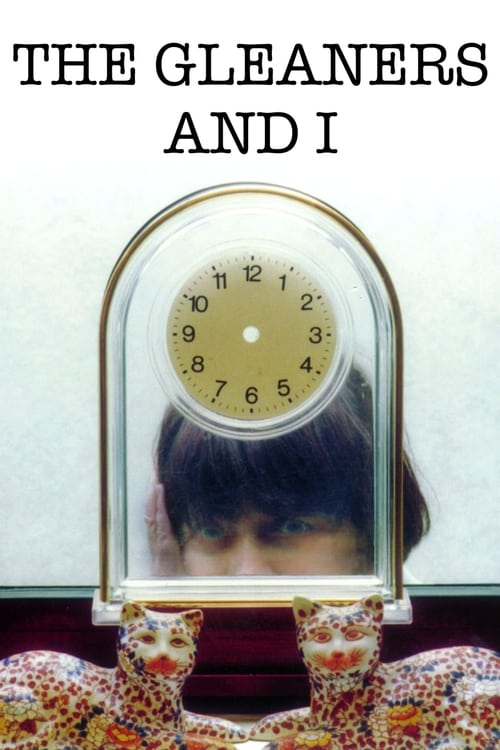
Varda focuses her eye on gleaners: those who scour already-reaped fields for the odd potato or turnip. Her investigation leads from forgotten corners of the French countryside to off-hours at the green markets of Paris, following those who insist on finding a use for that which society has cast off, whether out of necessity or activism.
“Some stories are better left unspoiled.”

Agnès Varda
Self
Bodan Litnanski
Self
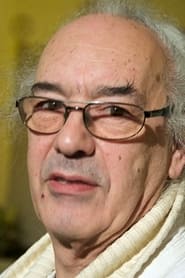
François Wertheimer
Self
Credits
Want more? Switch to Cinephile mode in the header for DP, composer, budget, box office, production companies, keywords, and release history.
Did you know?
Did you know
82 minutes exactly — the "classic feature" runtime most directors aim for.
Did you know
26 years old — old enough to be someone's favourite childhood film.
Did you know
Lean credit list — fewer than 30 people officially credited.
Did you know
Directed by Agnès Varda, shot by Didier Doussin. Note their partnership — DPs and directors often return to each other across a career.
Did you know
Original score by Isabelle Olivier. Worth a dedicated listen after — most great films lose half their impact without the score.
Did you know
Editor Agnès Varda shaped the rhythm. On an edit-heavy film, the editor does more to control your pulse than the director.
Did you know
Agnès Varda and Bodan Litnanski and François Wertheimer carry the top of the cast.
Did you know
IMDB entry: tt0247380 — still the authoritative cross-reference for credits and trivia.
Cinephile deep dive
Agnès Varda directs. Didier Doussin behind the camera. Isabelle Olivier scores. Agnès Varda cuts. Runs lean at under 100 minutes. Produced in France. Dialogue in French.
Trivia
Awards
Individual records documented via Wikidata; the summary above may count more.
Also by
Stills · wallpapers
Full-resolution frames — open one to save it as a wallpaper.
Trailers & featurettes
Community reviews
One doesn't normally use the word "fun" and documentary in the same sentence, but Varga has such a unique personality and style that her films are actually fun. The Gleaners and I may be the most fun and yet, Varga delivers the political message with Vaseline. At the same time, we get an education on found art.
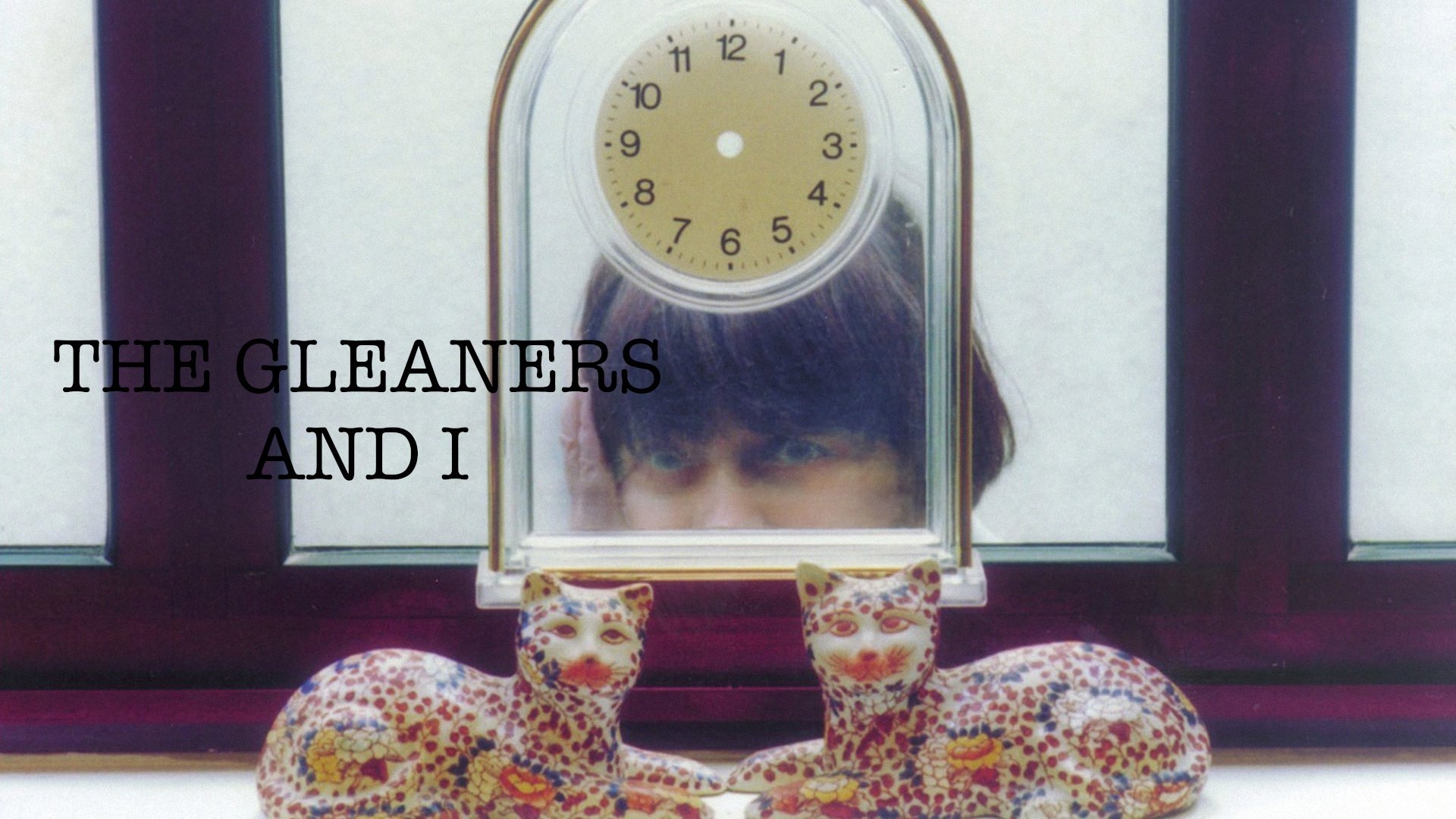
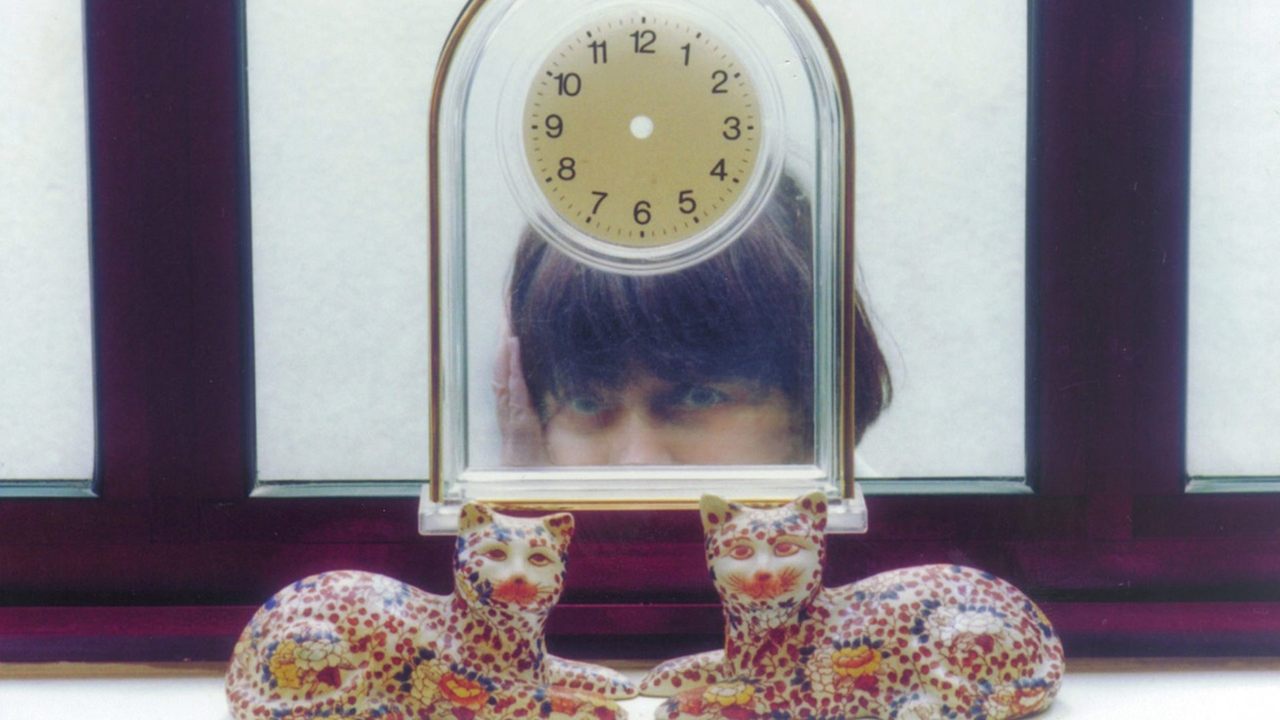
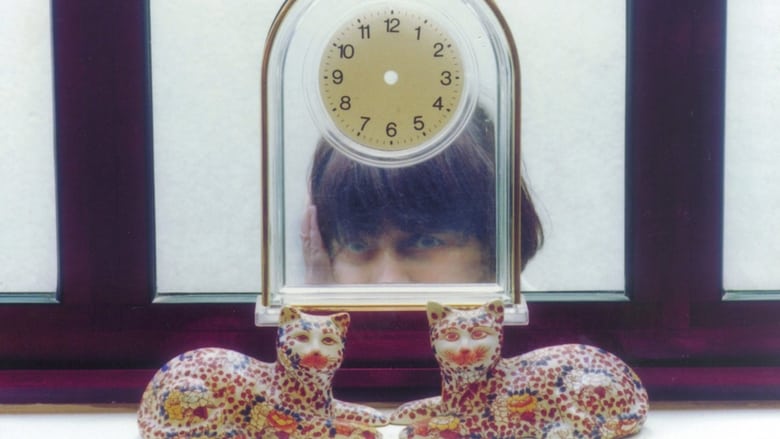
The Gleaners and I is a documentary about gleaning as both a physical and metaphysical activity. Director Agnès Varda is herself a meta-gleaner; she’s a gleaner of gleaners the same way that Jesus was a fisher of men. The film is a confluence of the practical and the artistic. Many of the people in the movie glean to eat (their children sing a revealing ditty: “Monday, potatoes/Tuesday, potatoes/Wednesday, potatoes again/Thursday, potatoes/Friday, potatoes/Saturday, potatoes again/Sunday, potatoes au gratin”). For others is a chosen lifestyle, or a hipster hobby. And for Varda, it is an aesthetic endeavor; “I'm not poor, I have enough to eat,” she said in an interview, pointing to “another kind of gleaning, which is artistic gleaning. You pick ideas, you pick images, you pick emotions from other people, and then you make it into a film.” Thus, while most of the gleaners in the film collect objects they can use, Varda chooses a useless object – a handless clock – and repurposes it as an ornamental piece. The Gleaners and I is almost 100% wheat except for the chaff of self-indulgence. The film gains a lot of momentum when Varda simply observes, and one of its greatest pleasures is how the filmmaker makes room for spontaneous diversions, becoming sidetracked in the pursuit of beautiful things and interesting people. This momentum is lost when Varda points the camera at herself, a mistake that is obvious to everyone but her; in fact, in a follow-up released two years after the original film, one of her interviewees tells her, after watching the documentary, that the scenes she devotes to herself are “unnecessary”. That said, Varda does deserve a lot of credit for her ability to find beauty in the most unexpected places, both in the countryside and in the city, filming with one hand, and gleaning with the other.
Production companies

Ciné-Tamaris
FR
Themes & keywords
Release history · US
Also known as
 Movie
Movie2017
 Movie
Movie2018
 Movie
Movie2026
 Movie
Movie1992
 Movie
Movie1993
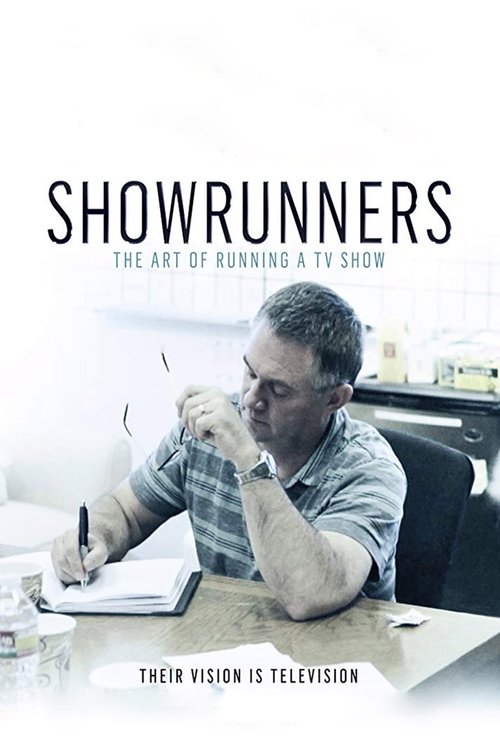 Movie
Movie2014
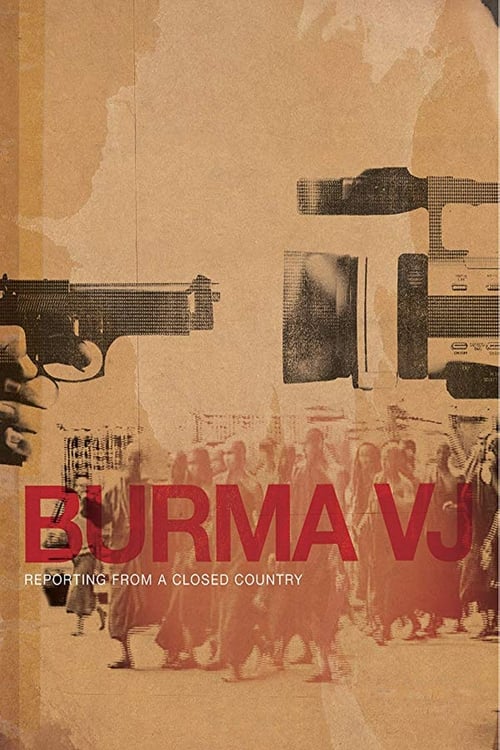 Movie
Movie2008
 Movie
Movie2010
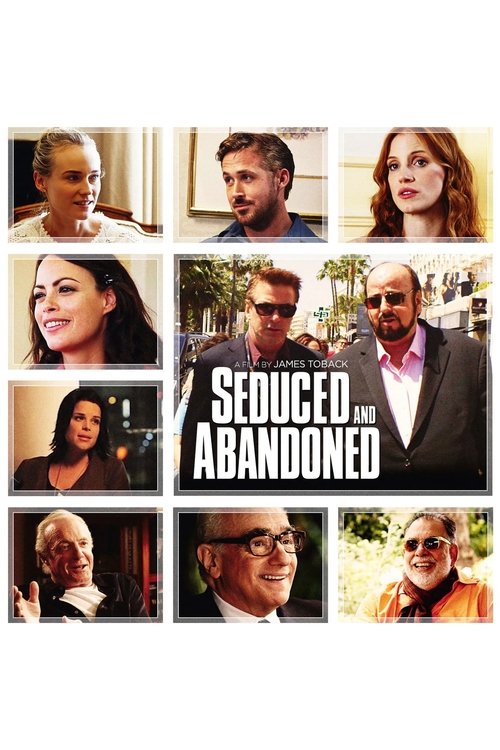 Movie
Movie2013
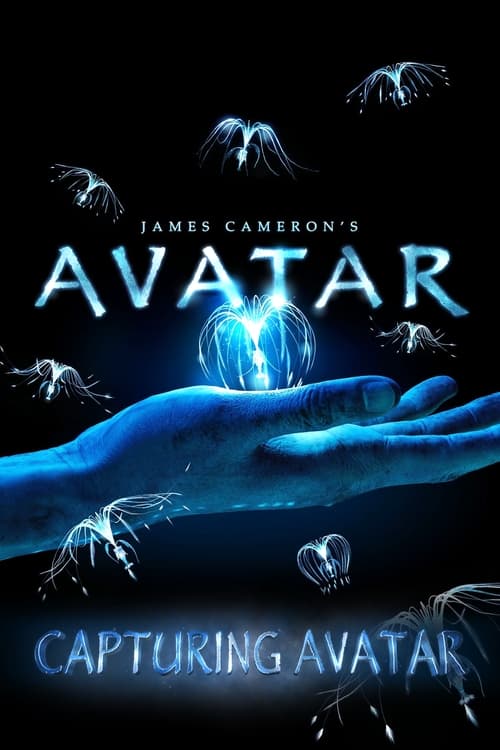 Movie
Movie2010