

1 / 8
MONEY
Did you know
Shot for just $3.5M — micro-budget by Hollywood standards.
MoodPlayr · trivia#01
"Let yourself glow."
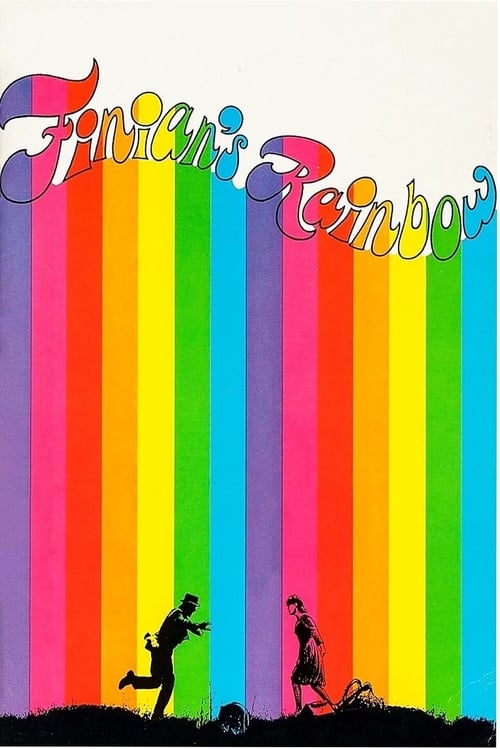
An Irishman and his daughter arrive in the American South with a stolen pot of gold, hoping to make their fortune. Pursued by a leprechaun desperate to recover his treasure, they become entangled in a battle over land, love, and prejudice in Rainbow Valley—where the gold’s magic turns wishes, and lives, upside down.
“Let yourself glow.”
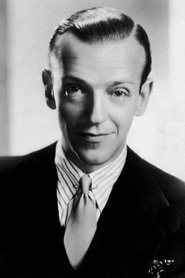
Fred Astaire
Finian McLonergan
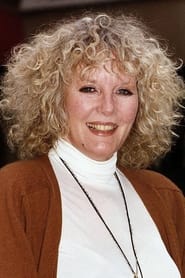
Petula Clark
Sharon McLonergan

Tommy Steele
'Og' the Leprechaun
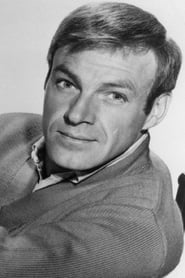
Don Francks
Woody Mahoney
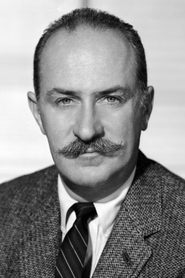
Keenan Wynn
Senator Billboard Rawkins
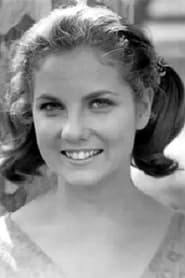
Barbara Hancock
Susan the Silent
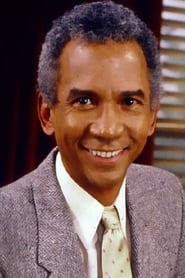
Al Freeman Jr.
Howard
Ronald Colby
Buzz Collins
Credits
Want more? Switch to Cinephile mode in the header for DP, composer, budget, box office, production companies, keywords, and release history.
Did you know?
Did you know
Shot for just $3.5M — micro-budget by Hollywood standards.
Did you know
Made its money back 3.3× over at the box office.
Did you know
58 years old — a genuine piece of film history.
Did you know
Directed by Francis Ford Coppola, shot by Philip H. Lathrop. Note their partnership — DPs and directors often return to each other across a career.
Did you know
Original score by Ray Heindorf. Worth a dedicated listen after — most great films lose half their impact without the score.
Did you know
Editor Melvin Shapiro shaped the rhythm. On an edit-heavy film, the editor does more to control your pulse than the director.
Did you know
Fred Astaire and Petula Clark and Tommy Steele carry the top of the cast.
Did you know
Marketing tagline: "Let yourself glow.".
Cinephile deep dive
Francis Ford Coppola directs. Philip H. Lathrop behind the camera. Ray Heindorf scores. Melvin Shapiro cuts. Made its budget back several times over at the box office. Produced in United States of America. Dialogue in English.
Trivia
Awards
Nominated for 2 Oscars. 1 win & 9 nominations total
Also by
Trailers & featurettes
Community reviews
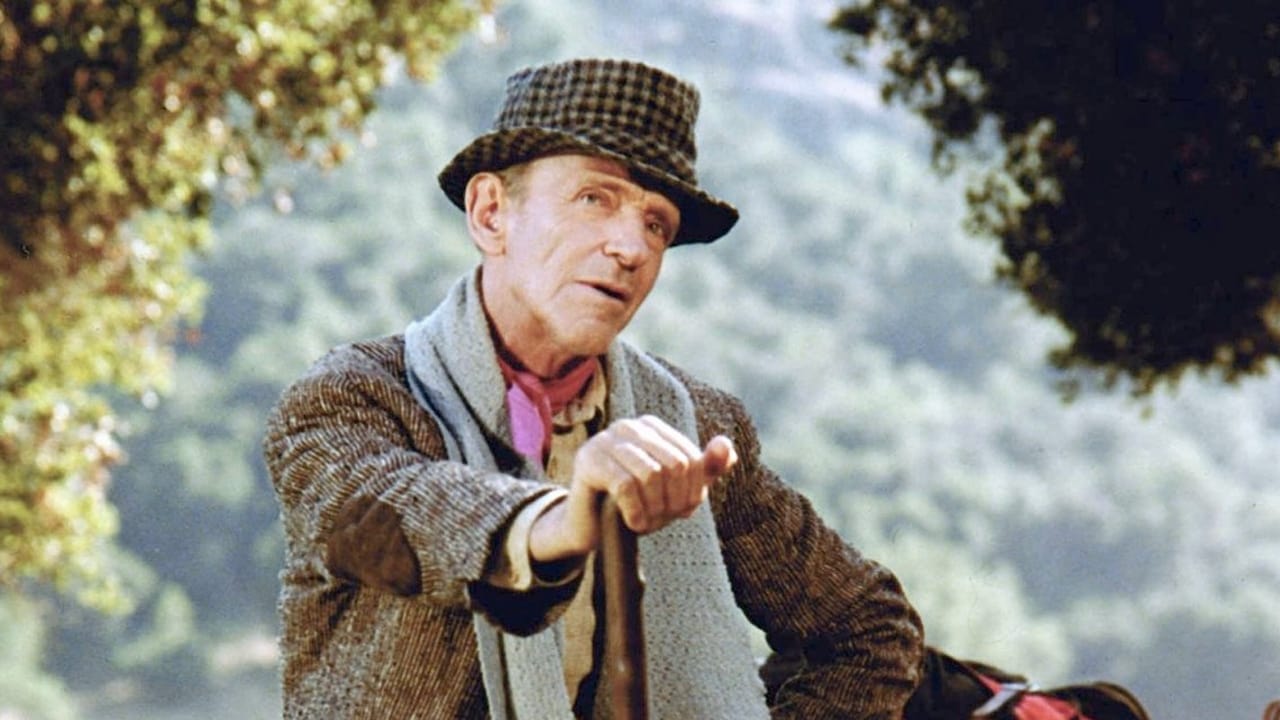
Amusing late 60’s musical with dynamic performances by the cast An Irish father and daughter come to America and settle a couple of miles from Fort Knox in Kentucky. As Sharon (Petula Clark) falls for the community’s returning prodigal son (Don Francks), Finian (Fred Astaire) deals with a leprechaun (Tommy Steele) that desperately needs the pot of gold he “borrowed” while a mute dancing girl catches the leprechaun’s eye (Barbara Hancock). "Finian’s Rainbow" (1968) is a fun musical based on the 1947 Broadway play, helmed by Francis Ford Coppola after proving his mettle with “You’re a Big Boy Now.” Although overlong, it’s an energetic mix of Elvis’ “Follow that Dream,” Astaire musicals and “The Wizard of Oz.” The above-noted cast members are all highlights, along with Keenan Wynn as the racist Senator and Al Freeman Jr as the research botanist. Astaire was 68 during shooting while Petula was 34; Franks was 35 (but looked older) while dancer Barbara Hancock was only 17. Speaking of the latter, she shines as she frolics about doing flips and what have you. Someone criticized that the movie borrowed too many Hippie elements from the musical “Hair,” but this is totally bogus seeing as how the film started shooting (with a finished script) in late June, 1967, and "Hair" didn't debut off-Broadway until four months later. It didn’t make it to Broadway until 1968 while the movie version came out in 1979. No doubt the scriptwriters & Coppola naturally tried to make the 1947 musical more relevant to the mid-60s, but this had zero to do with ripping off "Hair." Personally, I didn't perceive much if any "Hair"-like elements and, honestly, it could easily fit the time-frame of the late ’40s. Wynn’s character was inspired by real-life Senator Theodore Bilbo of Mississippi, a Democrat, who died seven months after the musical debuted. Film studios wouldn’t touch it due to the satirical bits pertaining to racism (like the Senator amusingly morphing into a black man); that is, unless they could change the script, which the writers wouldn’t allow. By the mid-60s, however, the time was right. Coppola had nothing to do with the cutting off of Astaire's feet during his dancing scenes. After shooting had been done in 35mm, Warner Brothers chose to convert the movie to the wider 70mm and sell it as a “preserved-ticket roadshow attraction,” which was achieved by cropping off the tops and bottoms of the picture frame. Unfortunately, this included some shots of Astaire's footwork, which I didn't even notice while watching (in other words, it's a nothing burger). This was Astaire’s last musical. It runs 2 hours, 25 minutes, and was shot on studio sound-stages and the back lot at Warner Brothers Burbank Studios and Walt Disney's Golden Oak Ranch, as well as Potrero Valley, Thousand Oaks, although one sequence was shot in Napa Valley near Coppola's home, north of Oakland, as well another west of there in Bodega Bay. The opening includes scenic shots of iconic spots in the USA (with stand-ins for Astaire and Clark). GRADE: B
Production companies

Warner Bros.-Seven Arts
US
Themes & keywords
Release history · US
Also known as
 Movie
Movie1959
 Movie
Movie1987
 Movie
Movie2008
 Movie
Movie1988
 Movie
Movie1997
 Movie
Movie2025
 Movie
Movie1994
 Movie
Movie1954
 Movie
Movie1988
 Movie
Movie2023