1 / 7
RUNTIME
Did you know
At 566 minutes, this is a three-hour-plus commitment — longer than 95% of films ever made.
MoodPlayr · trivia#01
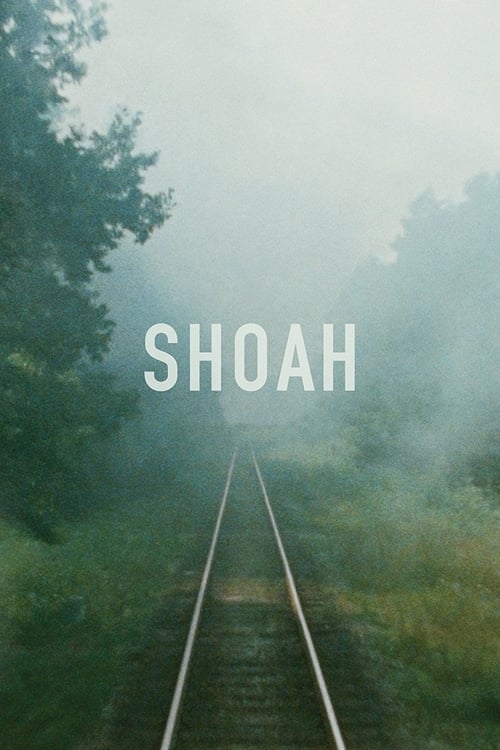
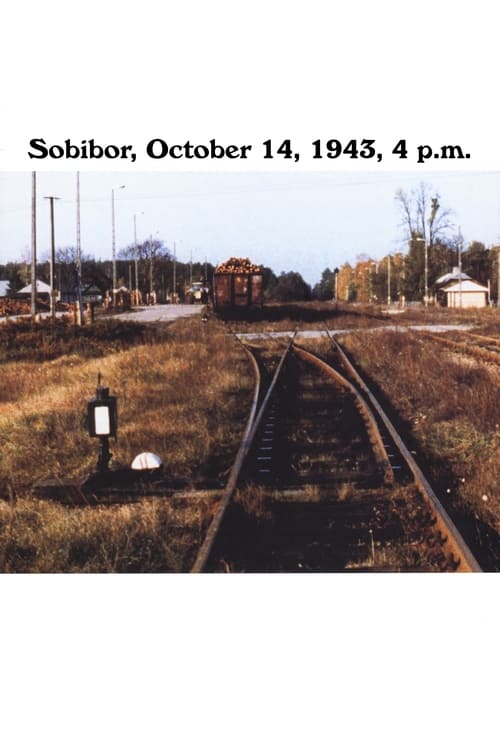
Director Claude Lanzmann spent 11 years on this sprawling documentary about the Holocaust, conducting his own interviews and refusing to use a single frame of archival footage. Dividing Holocaust witnesses into three categories – survivors, bystanders, and perpetrators – Lanzmann presents testimonies from survivors of the Chelmno concentration camp, an Auschwitz escapee, and witnesses of the Warsaw Ghetto Uprising, as well as a chilling report of gas chambers from an SS officer at Treblinka.
“Some stories are better left unspoiled.”
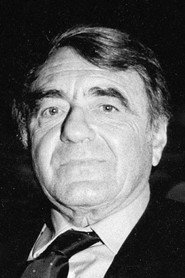
Claude Lanzmann
Self - Interviewer
Simon Srebnik
Self
Michael Podchlebnik
Self
Motke Zaidl
Self
Jan Karski
Self
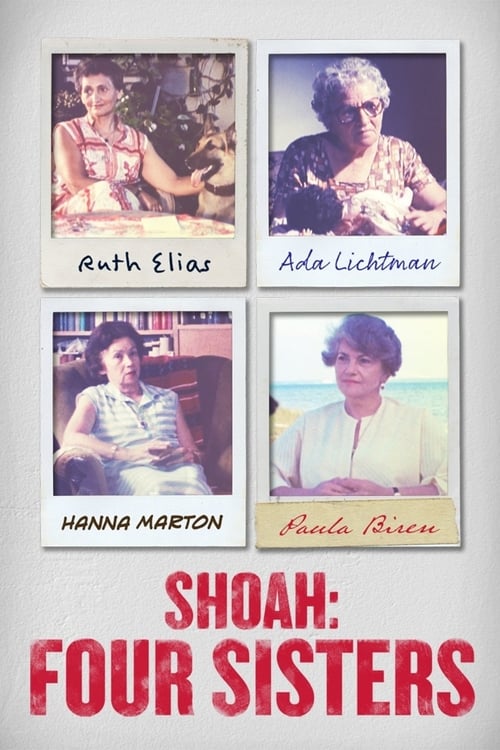
Paula Biren
Self
Abraham Bomba
Self
Inge Deutschkron
Self
Credits
Want more? Switch to Cinephile mode in the header for DP, composer, budget, box office, production companies, keywords, and release history.
Did you know?
Did you know
At 566 minutes, this is a three-hour-plus commitment — longer than 95% of films ever made.
Did you know
41 years old — old enough to be someone's favourite childhood film.
Did you know
Dialogue crosses 6 languages: Yiddish, Hebrew, German, French, Polish, English.
Did you know
Directed by Claude Lanzmann, shot by Jimmy Glasberg. Note their partnership — DPs and directors often return to each other across a career.
Did you know
Editor Ziva Postec shaped the rhythm. On an edit-heavy film, the editor does more to control your pulse than the director.
Did you know
Claude Lanzmann and Simon Srebnik and Michael Podchlebnik carry the top of the cast.
Did you know
IMDB entry: tt0090015 — still the authoritative cross-reference for credits and trivia.
Cinephile deep dive
Claude Lanzmann directs. Jimmy Glasberg behind the camera. Ziva Postec cuts. A long sit — settle in. Produced in France. Dialogue in Yiddish, Hebrew, German, French, Polish, English.
Trivia
Also by
Stills · wallpapers
Full-resolution frames — open one to save it as a wallpaper.
Trailers & featurettes
Community reviews
This is one of this movie that cannot leave anyone unmoved. I honestly can say that I didn't get to comprehend the extension and meaning of the Holocaust until I watched this 9h documentary. Probably, I still don't even get to be close to its understanding now but this has been clear to me after watching the movie. This is the kind of historic document with incalculable value to leave proof of what happened during WWII so nobody can really put it in question. I would even say that this movie should be passed in history class in high-schools all around the world. The work done is huge and, although I would say that, at some points, I don't understand why Lanzmann makes some kind of trivial questions, I reckon that the actual purpose is to make the viewer to understand all the aspects of the happenings: the extraordinary and the casual usual ones. A must to be seen, if you feel strong enough to face the terrible truth and fate of millions of people.
Told by way of a sort of travelogue of sites of holocaust atrocity, and augmented most potently by survivors, their families and by former Nazis themselves, this documentary reveals in very considerable - and considered - detail the true horrors of the concentration camps. Claude Lanzmann doesn't use any actuality - and, oddly enough, that makes the actuality of the now peaceful sites all the more poignant when described by the people who lived there before, during and after these heart-rending periods of persecution. I've worked extensively with Eastern European people over the years, and what this documentary rings loudly in 1985 is still largely true, even now. There is still some considerable anti-German sentiment, but there is also still an anti-Semite one too. It took me a few days to watch this, and I'd recommend consuming it that way. It gives more time for the commentaries to sink in, for your own brain to get to grips with what you have seen and heard and it also stops it starting to wash over you a bit. The photography is nigh on perfect: intimate when you want it to be, wide and encompassing at other times. The interviews are specific and probing - not to illicit gory stories (though that does sometimes result) but to allow the contributors to feel that they are free to say whatever they wish. That man could do this kind of thing to fellow man beggars belief - maybe more people ought to watch and listen to what's gone
Production companies
Historia
Les Films Aleph
FR
Ministère de la culture
FR
Themes & keywords
Release history · US
Also known as