

1 / 8
RUNTIME
Did you know
Clocks in at 157 minutes — on the longer side of feature-length cinema.
MoodPlayr · trivia#01
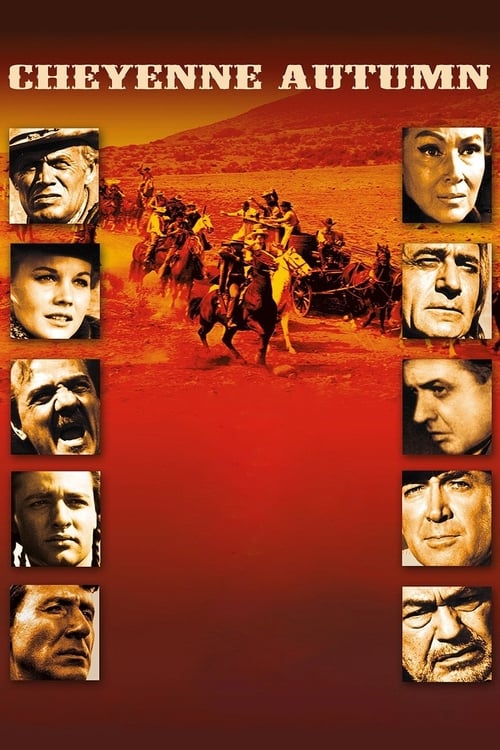
"1,500 miles of heroism and incredible adventure!"
A reluctant cavalry Captain must track a defiant tribe of migrating Cheyenne.
“1,500 miles of heroism and incredible adventure!”
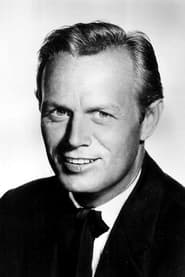
Richard Widmark
Capt. Thomas Archer
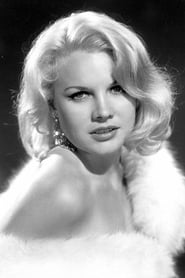
Carroll Baker
Deborah Wright
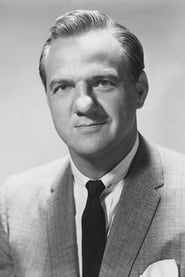
Karl Malden
Capt. Wessels
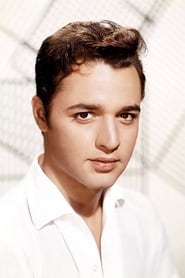
Sal Mineo
Red Shirt
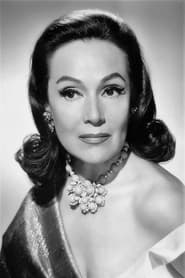
Dolores del Río
Spanish woman
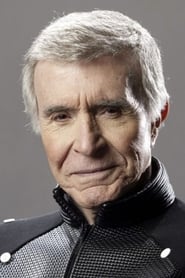
Ricardo Montalban
Little Wolf
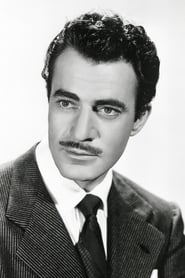
Gilbert Roland
Dull Knife
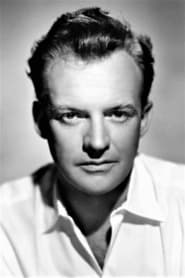
Arthur Kennedy
Doc Holliday
Credits
Want more? Switch to Cinephile mode in the header for DP, composer, budget, box office, production companies, keywords, and release history.
Did you know?
Did you know
Clocks in at 157 minutes — on the longer side of feature-length cinema.
Did you know
Shot for just $4.2M — micro-budget by Hollywood standards.
Did you know
Earned back only 0% of its budget on initial theatrical — a commercial disappointment on release.
Did you know
62 years old — a genuine piece of film history.
Did you know
Dialogue crosses 2 languages: English, Navajo.
Did you know
Directed by John Ford, shot by William H. Clothier. Note their partnership — DPs and directors often return to each other across a career.
Did you know
Original score by Alex North. Worth a dedicated listen after — most great films lose half their impact without the score.
Did you know
Editor Otho Lovering shaped the rhythm. On an edit-heavy film, the editor does more to control your pulse than the director.
Cinephile deep dive
John Ford directs. William H. Clothier behind the camera. Alex North scores. Otho Lovering cuts. A commercial under-performer on release. Produced in United States of America. Dialogue in English, Navajo.
Trivia
Also by
Trailers & featurettes
Community reviews
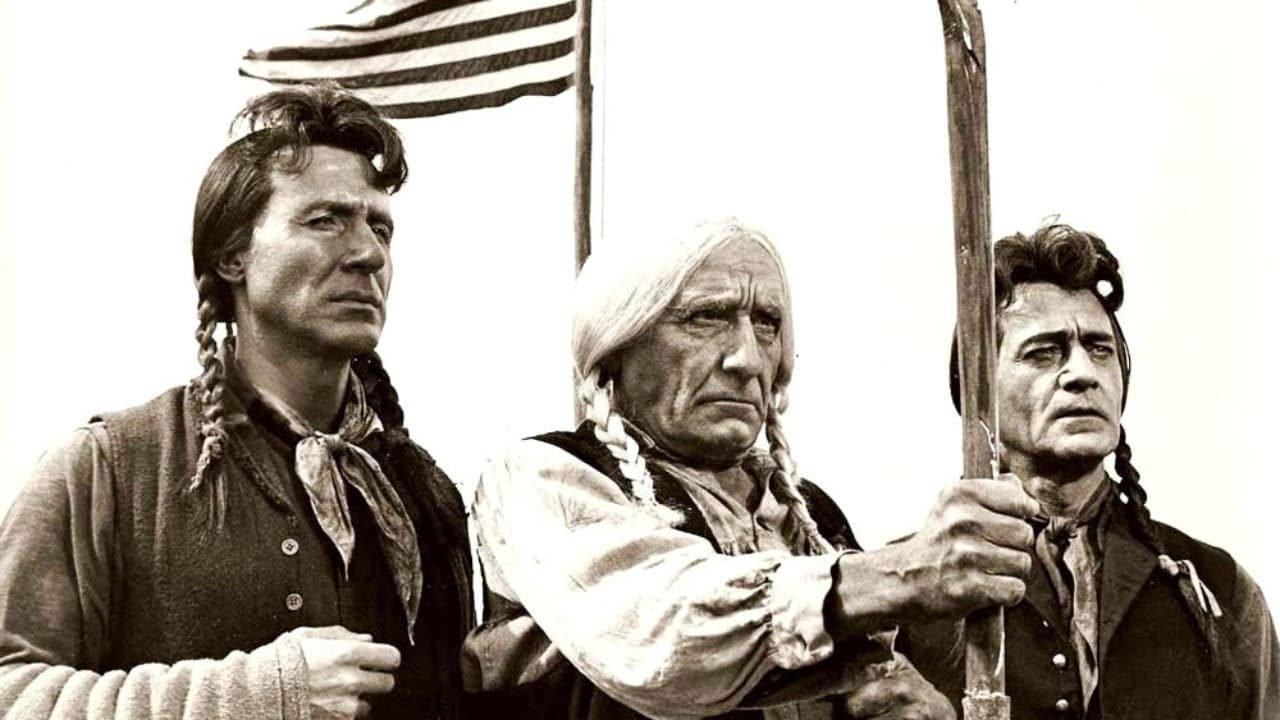
A Cheyenne is a soldier from the first slap on his bottom. Cheyenne Autumn is directed by John Ford and is a "Hollywood" telling of the Northern Cheyenne Exodus of 1877/9, where the Northern Cheyenne, fed up with lack of food and poor facilities, tried to return to their one time home in the North after having been located in the Southern Reservation by the United States Army. It stars Richard Widmark, Caroll Baker, Dolores del Rio, Karl Malden, Gilbert Roland, Ricardo Montalban, Edward G. Robinson, James Stewart and Arthur Kennedy. Music is scored by Alex North and cinematography by William H. Clothier. It is photographed in Super Panavision 70, in various Utah locations, predominantly Monument Valley. Does it ever matter who fired the first shot? John "Pappy" Ford's penultimate film, and his last Western, is epic in scope and production and seen as an honest attempt to redress the balance for years of misrepresentation of Native Americans in Hollywood, though not necessarily his own since he, I believe, isn't on record as saying that to be the case? Thematically it's important and doesn't back off from being sympathetic to the Cheyenne's plight, we root for them and rightly so. Yet it always feels like a film shot through the vision of a white man's eyes, you find yourself wanting more from the Cheyenne perspective, for them to dominate the narrative. It would have been nice to know some of the big players involved in the heroic and tragic trek back to Wyoming. It's also annoying that Ford or the studio chose to interrupt the flow of the story with the pointless light relief section at Dodge City. Which comes across as just an excuse for James Stewart and Arthur Kennedy to play Wyatt Earp & Doc Holliday respectively. And sadly, they are not very successful in doing so either. As has been noted by many critics over the years, the film ultimately rounds out as an honourable misfire from the great John Ford. The cast, away from the loud and brash Dodge City collective, are mostly fine. Widmark proves to be a watchable axis as the reluctant Captain tasked with returning the Cheyenne to the barren reservation. Baker does a nice line in sexy Quaker, Robinson adds a touch of class late in the day, while Montalban & Roland are excellent as Cheyenne chiefs Little Wolf & Dull Knife respectively. But all pale in the shadow of Clothier's magnificent photography, stunning vistas that dominate the screen, the colours so rich and splendid, Monument Valley an iconic character of nature observing the Cheyenne desperately trying to get back to home comforts. It's unmistakably a John Ford picture, with some inspired filming techniques, but the heart of the story is lost due to a too long run time, a daft mid point sequence and much extraneous nonsense. 6/10
Production companies
Ford-Smith Productions
US
Themes & keywords
Release history · US
Also known as
 Movie
Movie1993
 Movie
Movie1943
 Movie
Movie1949
 Movie
Movie1969
 Movie
Movie1955
 Movie
Movie1975
 Movie
Movie1956
 Movie
Movie1995
 Movie
Movie1960
 Movie
Movie2000