1 / 8
MONEY
Did you know
Shot for just $2.9M — micro-budget by Hollywood standards.
MoodPlayr · trivia#01
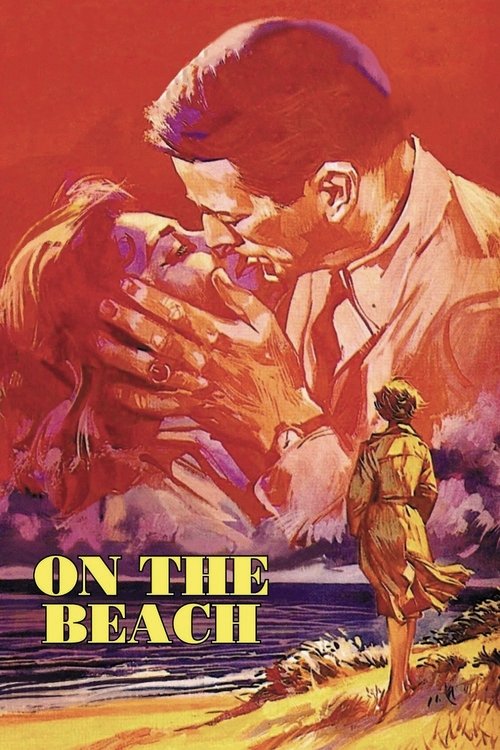
"The Biggest Story of Our Time!"
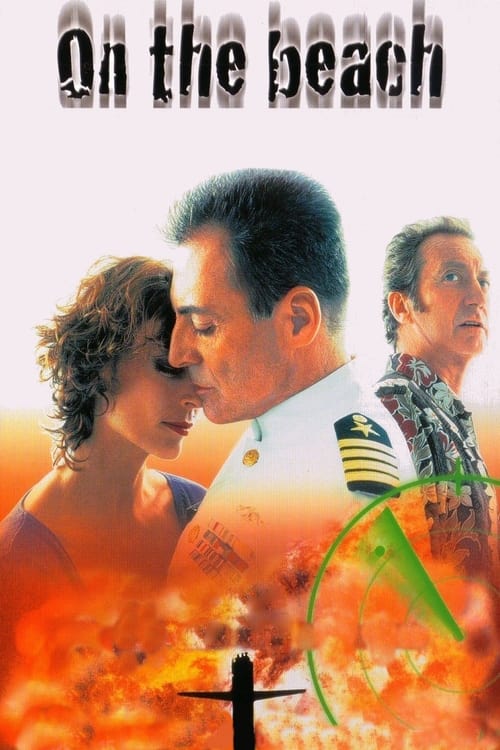
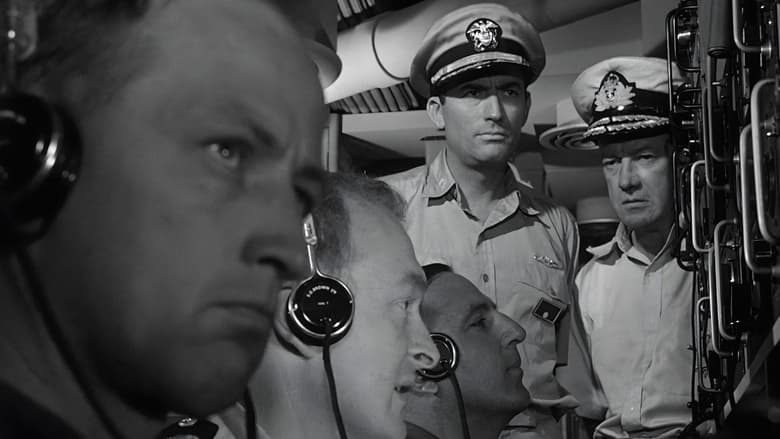
In 1964, atomic war wipes out humanity in the northern hemisphere; one American submarine finds temporary safe haven in Australia, where life-as-usual covers growing despair. In denial about the loss of his wife and children in the holocaust, American Captain Towers meets careworn but gorgeous Moira Davidson, who begins to fall for him. The sub returns after reconnaissance a month (or less) before the end; will Towers and Moira find comfort with each other?
“The Biggest Story of Our Time!”

Gregory Peck
Dwight Towers

Ava Gardner
Moira Davidson

Fred Astaire
Julian Osborn
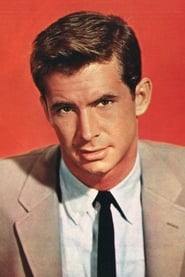
Anthony Perkins
Lt. Peter Holmes

Donna Anderson
Mary Holmes
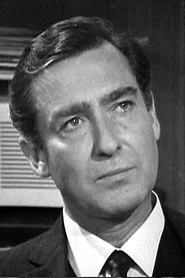
Guy Doleman
Lt. Cmdr. Farrel
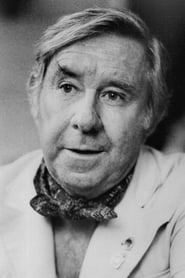
John Meillon
Ralph Swain

Harp McGuire
Lt. Sunderstrom
Credits
Want more? Switch to Cinephile mode in the header for DP, composer, budget, box office, production companies, keywords, and release history.
Did you know?
Did you know
Shot for just $2.9M — micro-budget by Hollywood standards.
Did you know
Earned back only 76% of its budget on initial theatrical — a commercial disappointment on release.
Did you know
67 years old — a genuine piece of film history.
Did you know
Directed by Stanley Kramer, shot by Giuseppe Rotunno. Note their partnership — DPs and directors often return to each other across a career.
Did you know
Original score by Ernest Gold. Worth a dedicated listen after — most great films lose half their impact without the score.
Did you know
Editor Frederic Knudtson shaped the rhythm. On an edit-heavy film, the editor does more to control your pulse than the director.
Did you know
Gregory Peck and Ava Gardner and Fred Astaire carry the top of the cast.
Did you know
Marketing tagline: "The Biggest Story of Our Time!".
Cinephile deep dive
Stanley Kramer directs. Giuseppe Rotunno behind the camera. Ernest Gold scores. Frederic Knudtson cuts. A commercial under-performer on release. Produced in United States of America. Dialogue in English.
Trivia
Awards
Individual records documented via Wikidata; the summary above may count more.
Also by
Trailers & featurettes
Community reviews
Like watching paint dry. Stanley Kramer and John Paxton adapt from Nevil Shute's novel. Gregory Peck, Ava Gardner, Fred Astaire, Anthony Perkins and Donna Anderson star, with music by Ernest Gold and cinematography by Giuseppe Rotunno. After a global nuclear war, the inhabitants of Australia realise that the radiation clouds are heading their way. A group of people try to come to terms with this fact. A well regarded film by the critics, and lauded by the makers at the time as an important and potent piece of cinema, On the Beach is still a film that's not for everyone. The star appeal holds weight, though much of the narrative is tired and weary, trite and cheesy. In fact Shute himself was less than happy with what Kramer made of his literary source, the director in his element with a message movie. If it was Kramer's intent to make the viewers also feel like what it's like waiting for death? Then he achieved it, while Gold's overuse of Waltzing Matilda in his musical score also ends up boring the senses. 4/10
Well acted story with an obvious anti-war theme, written during the cold war provided an interesting portrayal of how different people may react facing impending doom. Fearful, Angry, Fatalistic. It developed feelings for the characters as they dealt with the situation each in their own way. Overall, at the end, there was a sadness that prevailed and led one to contemplate the possibility of this occurring. That is the success of the film and the book that inspired it, to create an atmosphere against nuclear war. I saw this film in the 1960's and enjoyed it immensely and read the book because of it. Watching it again as an adult I understood it with a different point of view and enjoyed it more. for what it is worth, I would recommend this film highly, not only for the great story, but also to enjoy the performance of truly talented professionals.
With nuclear warfare having eradicated most of the population of the world, it seems that only Australia still has a population - and they know that it is only a matter of time before the irradiated dust reaches their coastline and death will follow. Just ahead of that, though, is the USS Sawfish under the command of the now widowed “Towers” (Gregory Peck) who arrives with a grateful but demoralised crew. Their hosts welcome them with open arms, and swiftly he befriends local sailor “Holmes” (Anthony Perkins) whose wife “Mary” (Donna Anderson) has just given birth to a baby and he is also introduced to a rather dejected figure of “Moira” - that’s m.o.i.r.a, she explains. Now I’m not sure there are many actresses who can play a drunk better than Ava Gardner and it’s after a session on the sauce that she and the captain begin to bond. She is also close friends with “Osborne” (the underused Fred Astaire) who races cars for a living and proves to be quite a useful sounding board for her as her relationship with “Towers” strengthens whilst he and his submarine set off for San Francisco to see just what is left of their homeland. Curiously enough, there is actually precious little physical damage to the cityscape when they arrive, but the only remaining trace of mankind emanates from some string and a Coke bottle! This isn’t so much a sci-fi film as a touching and quite insightful look at just how people deal with grief, with loneliness and with an unpleasant inevitability that challenges much of the fabric of their hitherto ordered, structured and fruitful existence. The main thrust focuses on a gently stoic effort from Peck as his character deals with not just his own predicament but that of his sailors too, whilst Gardner makes a classy contribution with little dialogue but huge screen presence. The sub-plots offer less by way of importance, though the Perkins/Anderson theme does pose a particularly ghastly scenario when faced with what to do with the incapable occupant of the cot when the time comes, and by the conclusion the futility of the entire military enterprise is laid bare in a remarkably simple and human fashion. Sure, it can stray a little into soap at times, but on this occasion that adds a little to the realism of a situation in which there are, and can be, no winners - and for me, Gardner is at the top of her game.
Production companies
Stanley Kramer Productions
US
Themes & keywords
Release history · US
Also known as