

1 / 8
RUNTIME
Did you know
90 minutes exactly — the "classic feature" runtime most directors aim for.
MoodPlayr · trivia#01
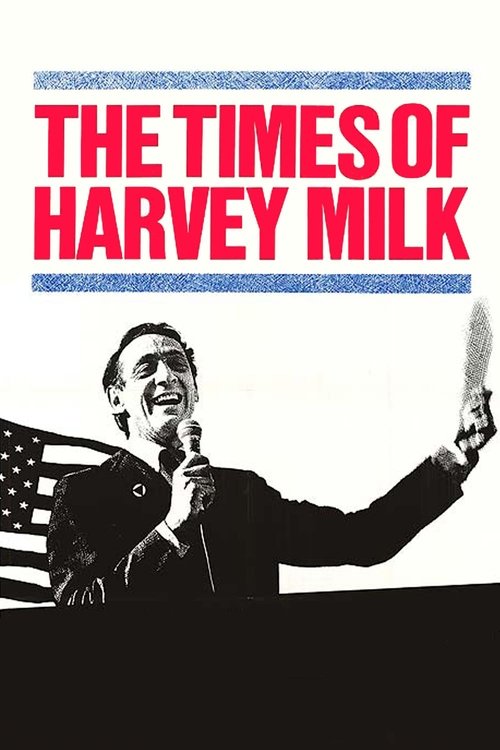
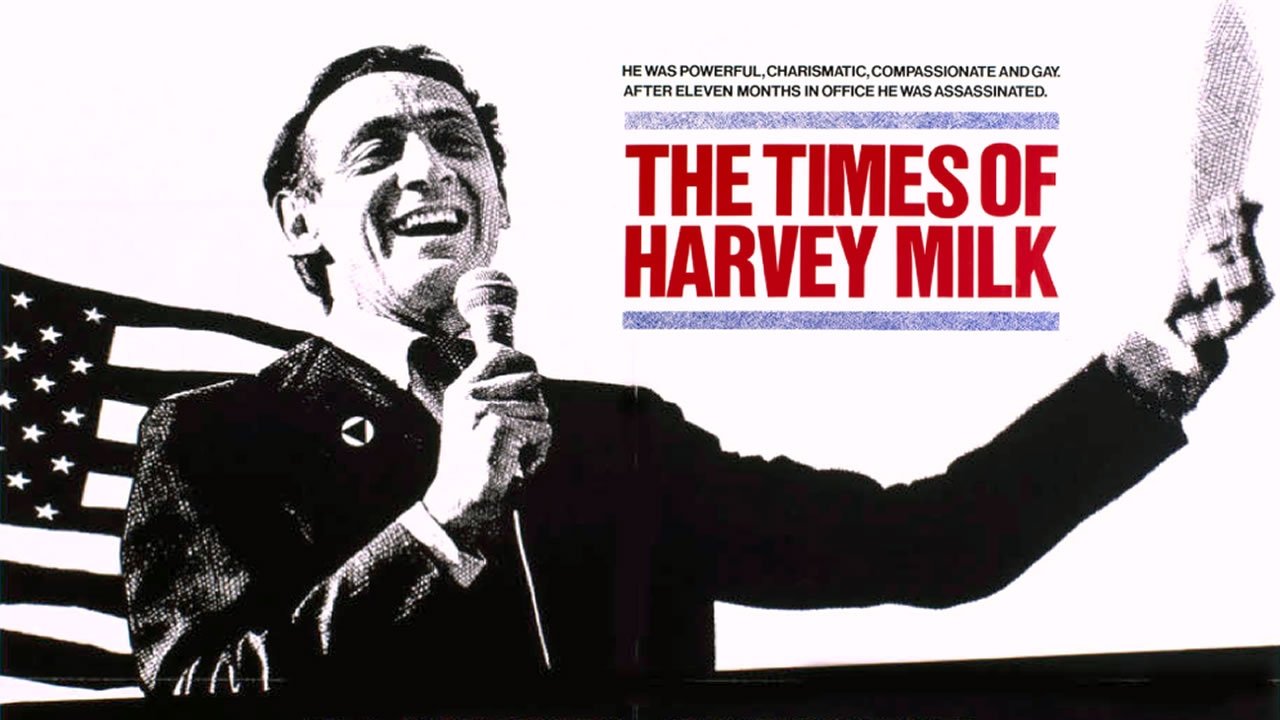
"He was powerful, charismatic, compassionate and gay. After eleven months in office he was assassinated."
Harvey Milk was an outspoken human rights activist and one of the first openly gay U.S. politicians elected to public office; even after his assassination in 1978, he continues to inspire disenfranchised people around the world.
“He was powerful, charismatic, compassionate and gay. After eleven months in office he was assassinated.”
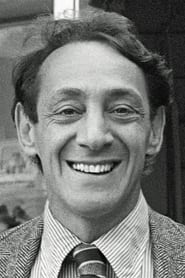
Harvey Milk
Self (archive footage)
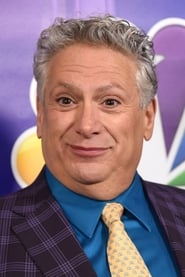
Harvey Fierstein
Narrator (voice)
Anne Kronenberg
Self
Tory Hartmann
Self
Tom Ammiano
Self
Jim Elliot
Self
Henry Der
Self
Jeannine Yeomans
Self
Credits
Want more? Switch to Cinephile mode in the header for DP, composer, budget, box office, production companies, keywords, and release history.
Did you know?
Did you know
90 minutes exactly — the "classic feature" runtime most directors aim for.
Did you know
42 years old — old enough to be someone's favourite childhood film.
Did you know
Directed by Rob Epstein, shot by Frances Reid. Note their partnership — DPs and directors often return to each other across a career.
Did you know
Original score by Mark Isham. Worth a dedicated listen after — most great films lose half their impact without the score.
Did you know
Editor Rob Epstein shaped the rhythm. On an edit-heavy film, the editor does more to control your pulse than the director.
Did you know
Harvey Milk and Harvey Fierstein and Anne Kronenberg carry the top of the cast.
Did you know
Marketing tagline: "He was powerful, charismatic, compassionate and gay. After eleven months in office he was assassinated.".
Did you know
IMDB entry: tt0088275 — still the authoritative cross-reference for credits and trivia.
Cinephile deep dive
Rob Epstein directs. Frances Reid behind the camera. Mark Isham scores. Rob Epstein cuts. Runs lean at under 100 minutes. Produced in United States of America. Dialogue in English.
Trivia
Awards
Individual records documented via Wikidata; the summary above may count more.
Also by
Stills · wallpapers
Full-resolution frames — open one to save it as a wallpaper.
Trailers & featurettes
Community reviews
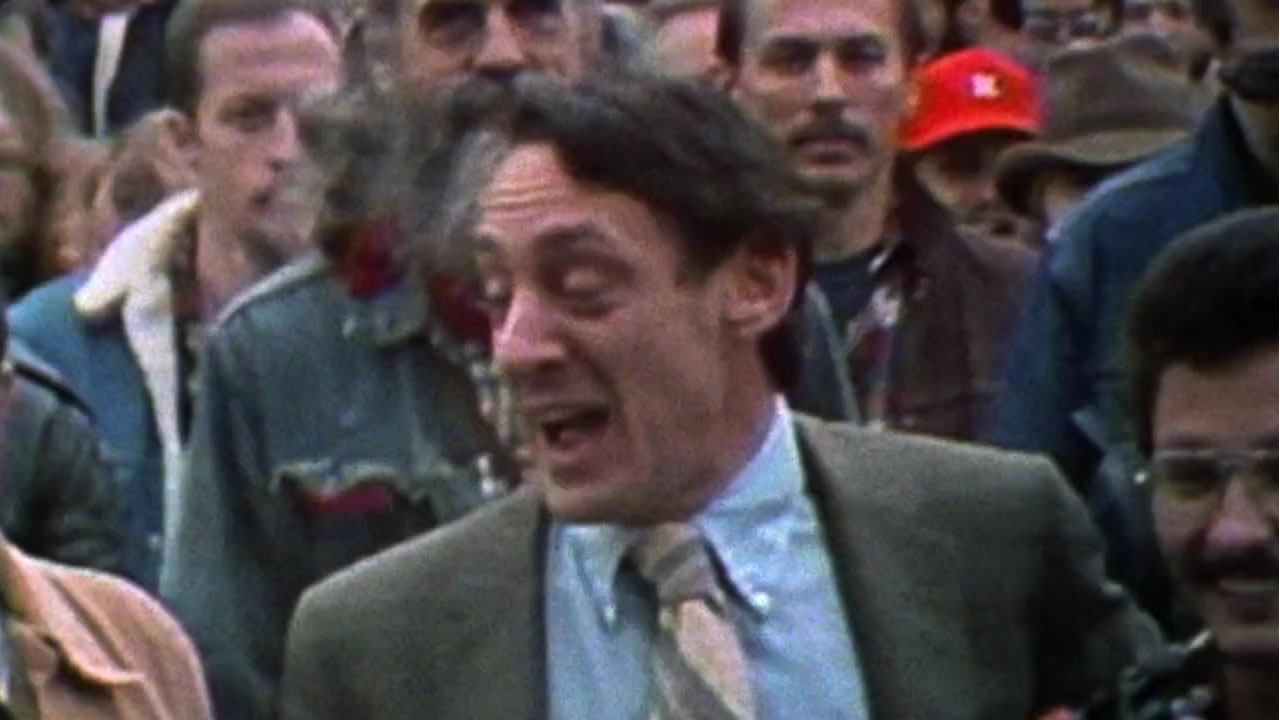
I have to admit that I was completely unaware that San Francisco mayor George Moscone was also shot on the same day as Harvey Milk, nor that both were shot by a fellow city supervisor in their offices at City Hall - Dan White. This well-informed documentary begins at the start of Milk’s career where this man of Jewish immigrant heritage begins to assume some civic responsibility for his district. Attempting to get onto the city’s council in the early 1970s, he was able to raise the profile of the difficulties faced by the burgeoning gay population of the Castro and eventually, thanks to a more constituency based electoral process, find himself elected and popular amongst many in a community that were not, necessarily, from his own bailiwick. There is plenty of archive here to illustrate his personable nature and his tenacious attitude to improving the lives and opportunities of ordinary folk, often in the face of hostility from those whose bigotry and/or religiosity were determined to introduce in California, the sort of discriminatory legislation that was arriving in states like Oregon prohibiting homosexuals from being employed in professions like teaching. The narration remains fact-based and the narrative quite plainly presents us with ample supporting evidence and television programming that demonstrates just how ridiculous not just some of these arguments being put forward were, but also how those promulgating homophobic rules and regulations reeked of hypocrisy and double-standards. Unlike with many similar style political documentaries, this one has managed to garner contributions from those who campaigned and knew Milk himself, and it stays focussed on the efforts he made to change for good rather than attempt to broaden or generalise it’s themes - and I think that works better at keeping our attention on a man who was gay and was for gays, but was also for anyone whom he thought needed help. Much is made of other anti-discrimination trail blazers in the United States in the 1970s, and I think this illustrates poignantly that his contribution to equal rights under the law - especially for those too afraid to leave a closet - was as substantial as anyone else’s and deserving of grater plaudits than he has thus far received.
Production companies
UCLA School of Film and Television
US
Black Sand Productions
US

pacific arts
Themes & keywords
Release history · US
Also known as