
1 / 7
RUNTIME
Did you know
82 minutes exactly — the "classic feature" runtime most directors aim for.
MoodPlayr · trivia#01

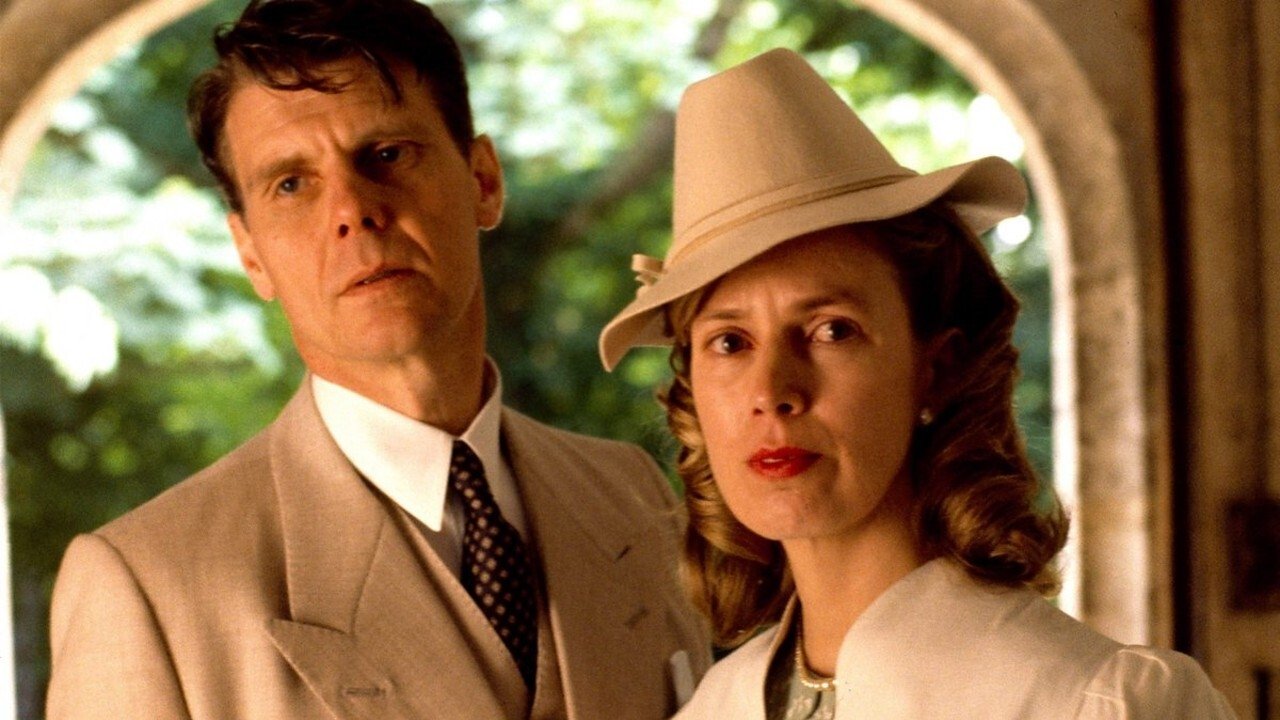
In 1945, the Carlions assemble at an English country house for a family gathering. During the event, they must determine who is to take over the family brewing empire, since the present head of the business, Sir Frederick, is getting old. The results of the 1945 general election causes a major stir, and some angry farmers occupy a barn.
“Some stories are better left unspoiled.”
Where to watch · US

Leo McKern
Sir Frederick Carlion
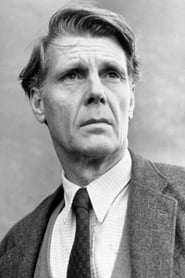
James Fox
Philip Carlion
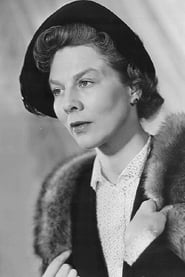
Wendy Hiller
Daisy - Lady Carlion
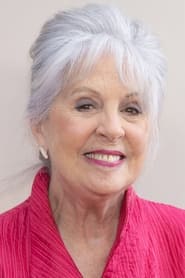
Penelope Wilton
Virginia Carlion
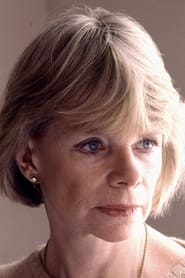
Jill Bennett
Alice Carlion
Deborah Norton
Faith

Joan Greenwood
Dollie van der Biek
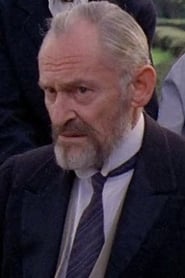
Alan Webb
Sir Piers Blair
Credits
Want more? Switch to Cinephile mode in the header for DP, composer, budget, box office, production companies, keywords, and release history.
Did you know?
Did you know
82 minutes exactly — the "classic feature" runtime most directors aim for.
Did you know
45 years old — old enough to be someone's favourite childhood film.
Did you know
Directed by Richard Eyre, shot by Nat Crosby. Note their partnership — DPs and directors often return to each other across a career.
Did you know
Editor David Martin shaped the rhythm. On an edit-heavy film, the editor does more to control your pulse than the director.
Did you know
Leo McKern and James Fox and Wendy Hiller carry the top of the cast.
Did you know
IMDB entry: tt0233488 — still the authoritative cross-reference for credits and trivia.
Did you know
Only 2 TMDB ratings — you're getting ahead of the curve on this one.
Cinephile deep dive
Richard Eyre directs. Nat Crosby behind the camera. David Martin cuts. Runs lean at under 100 minutes. Produced in United Kingdom. Dialogue in English.
Trivia
Also by
Community reviews
With WWII won, the "Carlion" family gather at their stately home in the run up to the British General Election. These are wealthy and privileged people who run a brewing business and it's their head "Sir Frederick" (Leo McKern) who is now looking to pass on the mantle. As with many family gatherings, the atmosphere quickly becomes quite toxic only here it's not just the mix of personalities that sparks, but attitudes. Politics in the kingdom is changing, attitudes are changing and the days of gentry and serf might well be on the way out as it becomes clear that Clement Attlee's socialist government is going to be running the country with quite a substantial mandate. McKern holds this together well providing a mix of stoicism and belligerence as his character has to deal with societal changes as well as those affecting his own role in his business and his family. Dame Wendy Hiller and Penelope Wilton also contribute well helping to illustrate the changing nature of the role of women in this brave new world, too. There are also references to the hitherto under-the-heal labouring classes who finally take their pitchforks in hand and gently (they are British, after all) make their presence felt. It's a little bit verbose at times, and Richard Eyre doesn't always manage to sustain the pace leading to maybe a few too many troughs amidst the undoubted peaks provided by a cast who present us with a familial equivalent of Janus - looking both behind them and to the front, left and then right, all at the same time unsure how to jump. Perhaps prophetic of a period of national "realignment" under Margaret Thatcher's newly elected government that was about to start as this was made?
Production companies

BBC
GB
Themes & keywords
Release history · US