

1 / 8
RUNTIME
Did you know
Clocks in at 156 minutes — on the longer side of feature-length cinema.
MoodPlayr · trivia#01
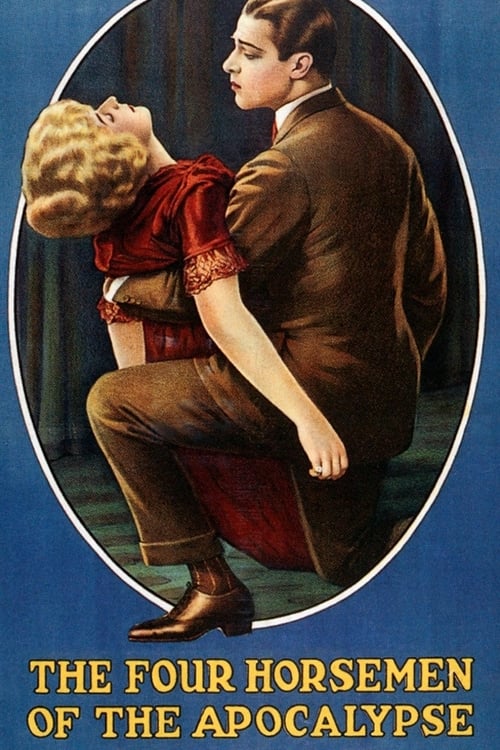
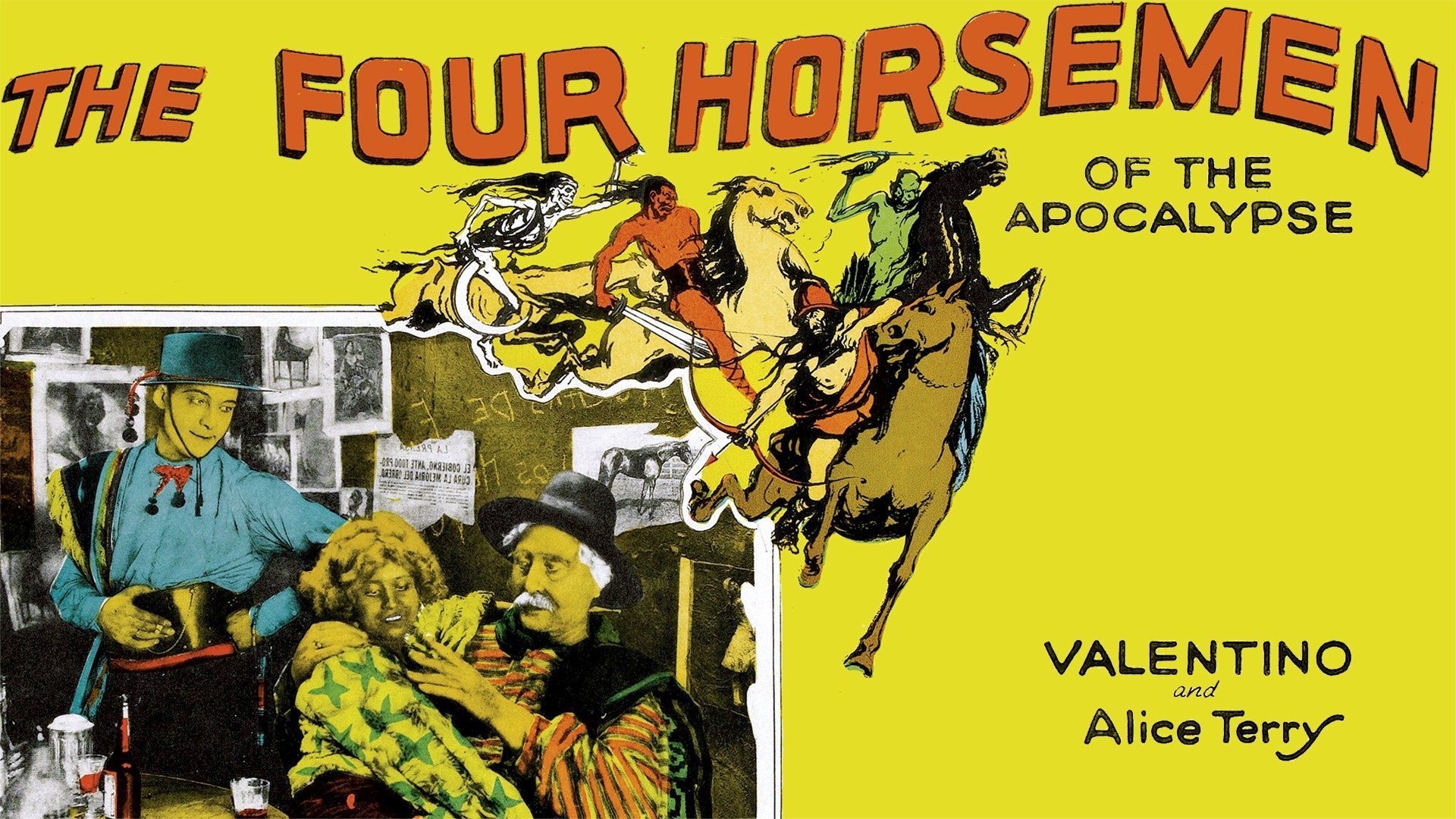
"AN EPIC OF REALISM With its great scenes of Argentine-its intimate views of Parisian life-its titanic battle scenes-its massive settings-its tremendous realism-its faithful reproduction of the vital story-its mighty drama-its soul stirring romance."
Set in the years before and during World War I, this epic tale tells the story of a rich Argentine family, one of its two descending branches being half of French heritage, the other being half German. Following the death of the family patriarch, the man's two daughters and their families resettle to France and Germany, respectively. In time the Great War breaks out, putting members of the family on opposing sides.
“AN EPIC OF REALISM With its great scenes of Argentine-its intimate views of Parisian life-its titanic battle scenes-its massive settings-its tremendous realism-its faithful reproduction of the vital story-its mighty drama-its soul stirring romance.”

Rudolph Valentino
Julio Desnoyers
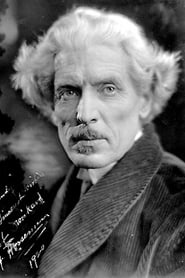
Josef Swickard
Marcelo Desnoyers

Alice Terry
Marguerite Laurier
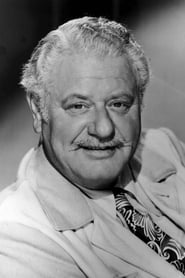
Alan Hale
Karl von Hartrott

Pomeroy Cannon
Madariaga
Bridgetta Clark
Doña Luisa
Virginia Warwick
Chichí

Mabel Van Buren
Elena
Credits
Want more? Switch to Cinephile mode in the header for DP, composer, budget, box office, production companies, keywords, and release history.
Did you know?
Did you know
Clocks in at 156 minutes — on the longer side of feature-length cinema.
Did you know
105 years old — a genuine piece of film history.
Did you know
Directed by Rex Ingram, shot by John F. Seitz. Note their partnership — DPs and directors often return to each other across a career.
Did you know
Editor Grant Whytock shaped the rhythm. On an edit-heavy film, the editor does more to control your pulse than the director.
Did you know
Rudolph Valentino and Josef Swickard and Alice Terry carry the top of the cast.
Did you know
Marketing tagline: "AN EPIC OF REALISM With its great scenes of Argentine-its intimate views of Parisian life-its titanic battle scenes-its massive settings-its tremendous realism-its faithful reproduction of the vital story-its mighty drama-its soul stirring romance.".
Did you know
IMDB entry: tt0012190 — still the authoritative cross-reference for credits and trivia.
Did you know
Only 62 TMDB ratings — you're getting ahead of the curve on this one.
Cinephile deep dive
Rex Ingram directs. John F. Seitz behind the camera. Grant Whytock cuts. Produced in United States of America. Dialogue in No Language.
Trivia
Also by
Stills · wallpapers
Full-resolution frames — open one to save it as a wallpaper.
Trailers & featurettes
Community reviews
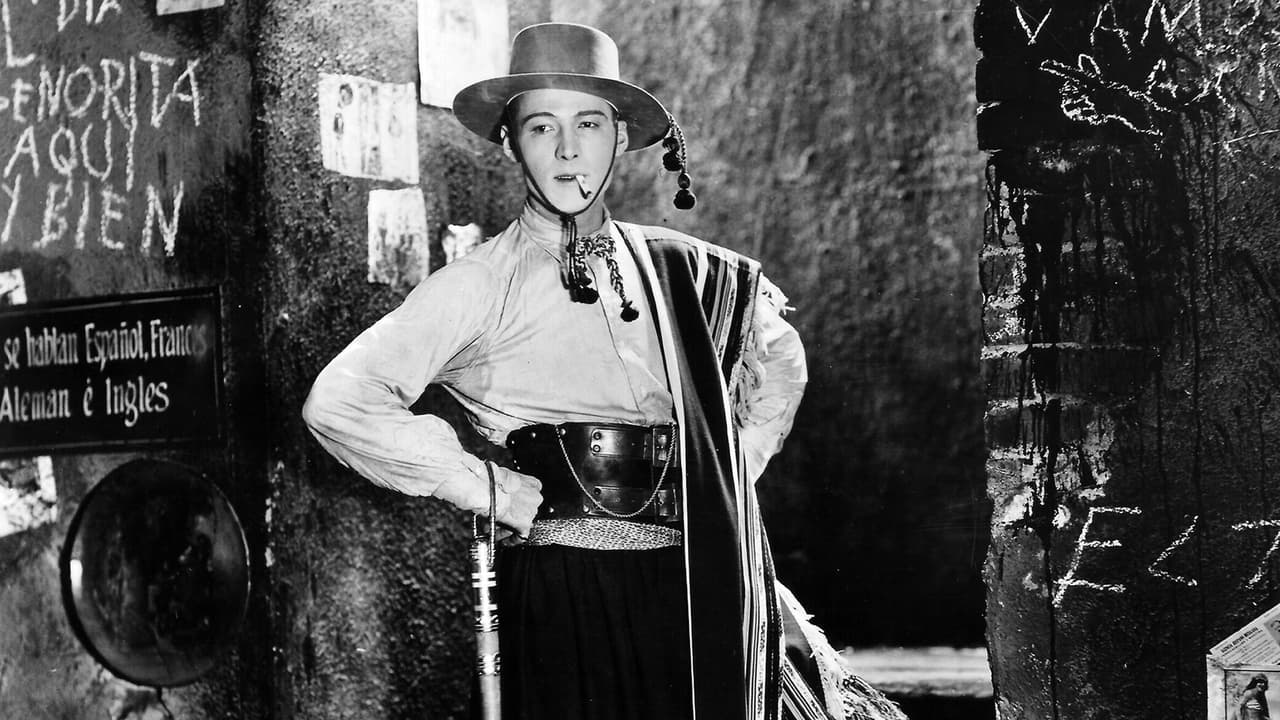
This is a magnificent cinematic rendition of a slightly flawed book. Commencing in the early 20th century. Madariaga (Pomeroy Cannon) is the patriarch of a family with siblings as alike as chalk and cheese. He openly favours his French in-laws to the obvious detriment of his German ones. Despite this favouritism, though, when the father of this, by now, extensive brood dies, he leaves his considerable fortune equally to his two daughters and that's where the familial strife begins... Advance a few years to Paris and we see tales of profligacy, deception, adultery and avarice. "Julio" (an excellent Rudolph Valentino) - his vain and shallow grandson on the French side of the family adopts a rather libertine existence as a would be artist before meeting the wife of a friend of his father "Marguerite" (Alice Terry). They are remarkably indiscreet about their affaire de coeur but when her husband discovers he merely agrees to a divorce to avoid any scandal. It's at this point, the film takes a much darker turn with the assassination of the Archduke and the start of the Great War - in which the family find themselves on opposite sides. The things that mattered before, matter not now - she discovers that her husband "Etienne" has been seriously wounded and as she is a nurse, she tends to his care in a recuperation facility that when "Julio" visits and sees them together, shames him into joining up. Meantime, Julio's father "Marcelo" (Josef Swickard) must entertain the general officers of their invaders in his castle where one of his German nephews tries to keep an eye out for him... The fortunes of both sides of the family vacillate from now on - the ebbs and flows of the war taking considerable toll on everyone before an extremely poignant, tragic, denouement. The film is profoundly anti-war. It makes it as clear as can be that there are never any winners from such breathtaking atrocity, and Rex Ingram uses just about every technique available to illustrate the flightiness and vacuousness of their pre-war existence - including the now legendary "tango" scene - to contrast potently with the ghastliness of war that cares not for person or property. The flaw? Well, it allows anti-German sentiment to neuter it's objectivity somewhat. As they always say, history is written by the winners, and the depiction of the invaders is unnecessarily brutal and boorish. Sure, they were not "nice", but there was a certain chivalric spirit amongst both sides that, though it certainly did dwindle as the conflagration progressed, is simply not adequately reflected or respected here. That said, the photography is superb and this is simply one of the original "must see" films. Even though it is a little on the lengthy side, it still holds the attention well.
Production companies

Metro Pictures Corporation
US
Themes & keywords
Release history · US
Also known as
 Movie
Movie1925
 Movie
Movie2015
 Movie
Movie1946
 Movie
Movie2023
 Movie
Movie1994
 Movie
Movie2019
 Movie
Movie2009
 Movie
Movie2024
 Movie
Movie2018
 Movie
Movie1956