

1 / 7
ERA
Did you know
31 years old — old enough to be someone's favourite childhood film.
MoodPlayr · trivia#01
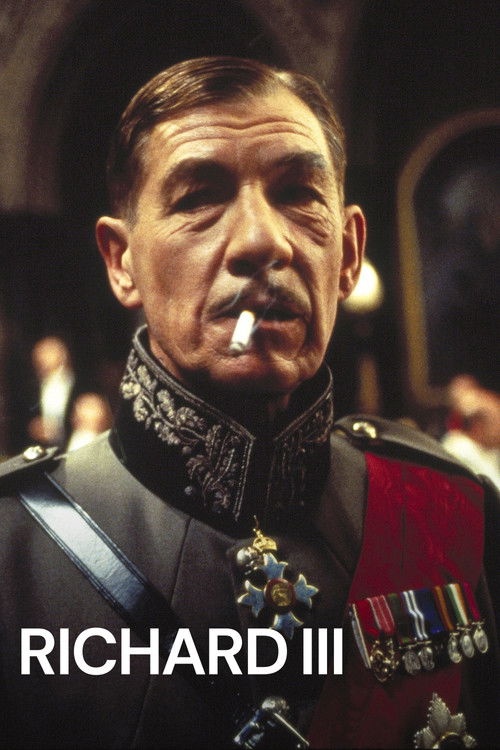
"I can smile, and murder while I smile"
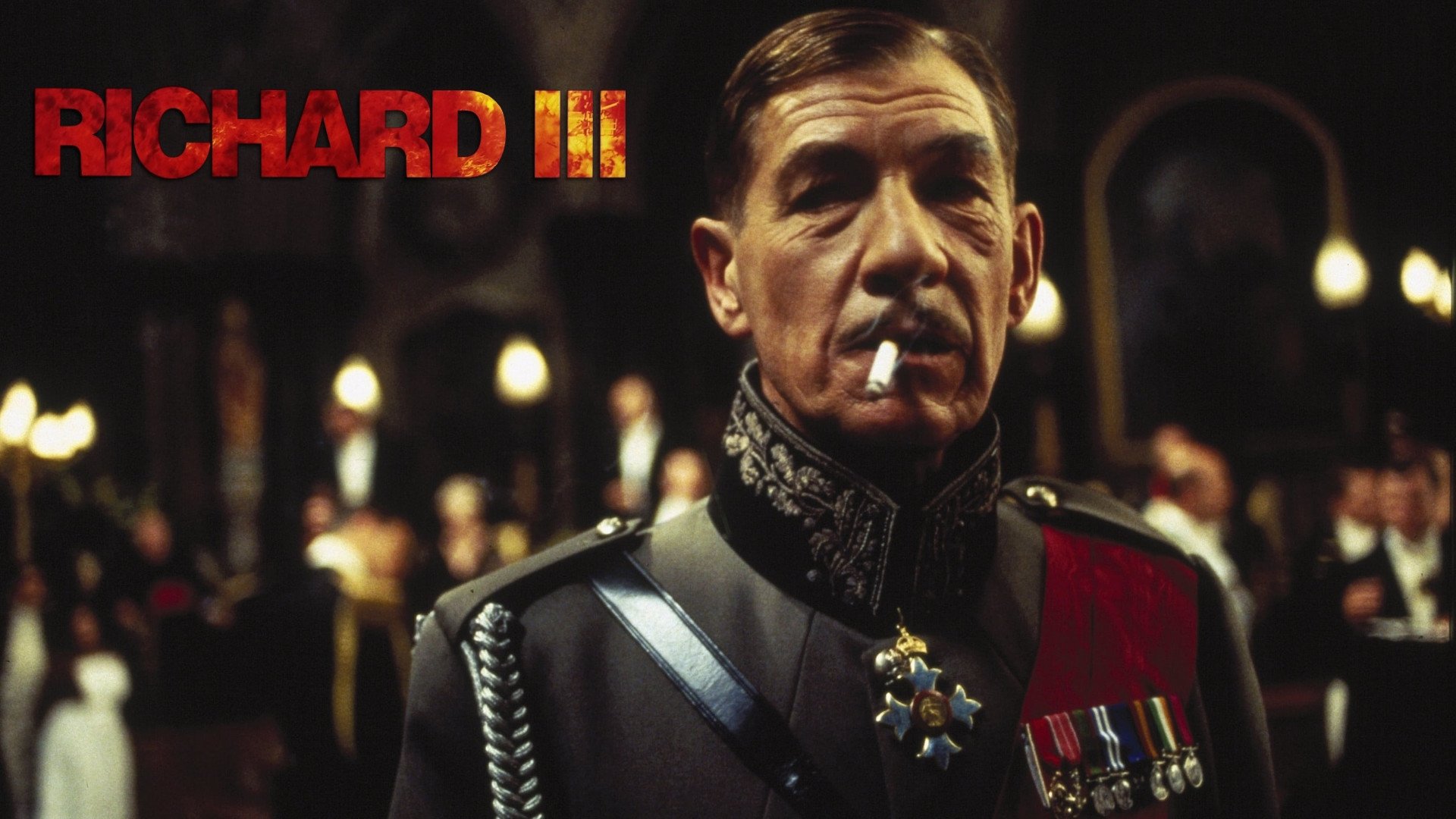
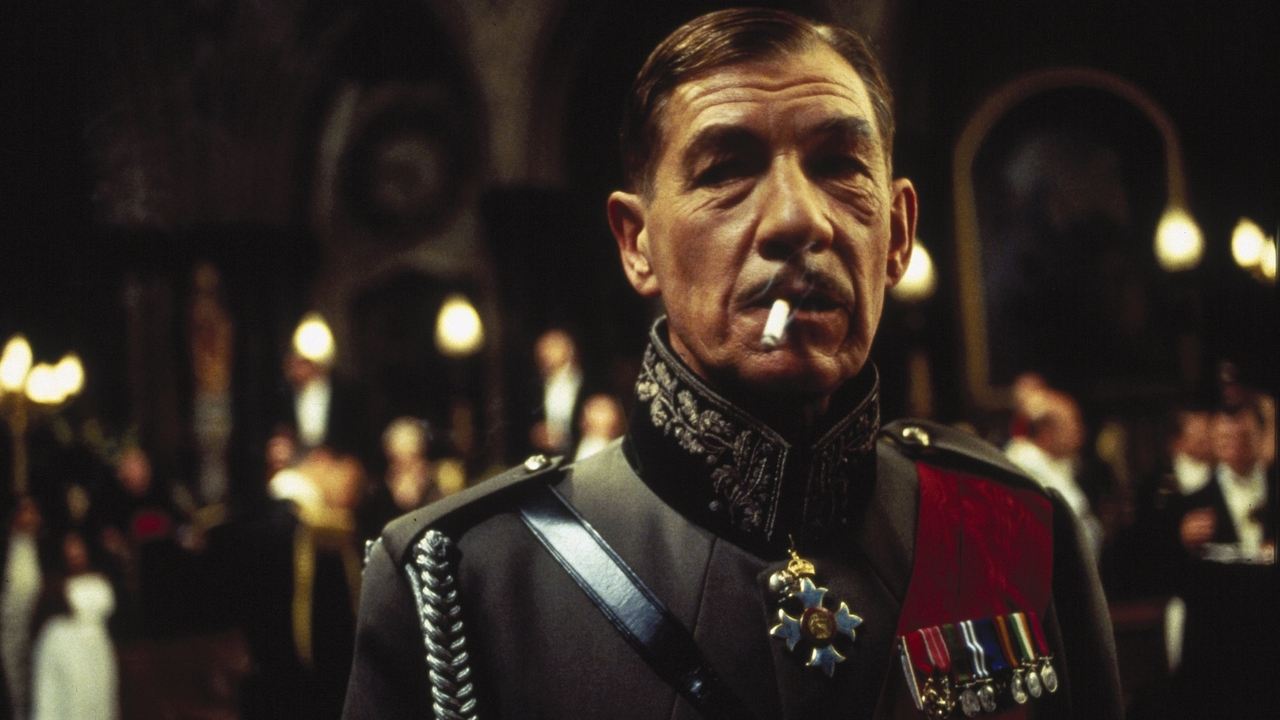
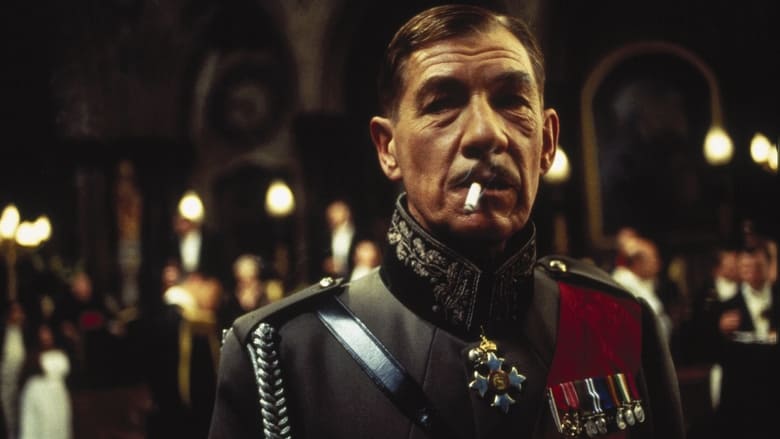
Having helped his brother King Edward IV take the throne of England, the jealous hunchback Richard, Duke of Gloucester, plots to seize power for himself. Masterfully deceiving and plotting against nearly everyone in the royal court, including his eventual wife, Lady Anne, and his brother George, Duke of Clarence, Richard orchestrates a bloody rise to power before finding all his gains jeopardized by those he betrayed.
“I can smile, and murder while I smile”

Ian McKellen
Richard III
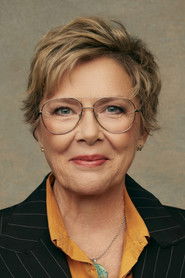
Annette Bening
Queen Elizabeth
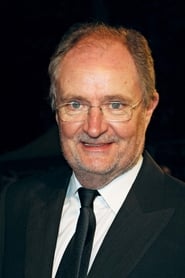
Jim Broadbent
The Duke of Buckingham

Robert Downey Jr.
Earl Rivers
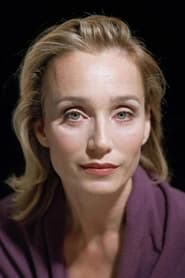
Kristin Scott Thomas
Lady Anne

Adrian Dunbar
James Tyrrell
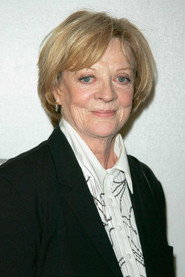
Maggie Smith
Duchess of York
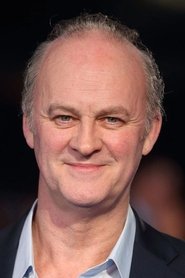
Tim McInnerny
William Catesby
Credits
Want more? Switch to Cinephile mode in the header for DP, composer, budget, box office, production companies, keywords, and release history.
Did you know?
Did you know
31 years old — old enough to be someone's favourite childhood film.
Did you know
Directed by Richard Loncraine, shot by Peter Biziou. Note their partnership — DPs and directors often return to each other across a career.
Did you know
Original score by Trevor Jones. Worth a dedicated listen after — most great films lose half their impact without the score.
Did you know
Editor Paul Green shaped the rhythm. On an edit-heavy film, the editor does more to control your pulse than the director.
Did you know
Ian McKellen and Annette Bening and Jim Broadbent carry the top of the cast.
Did you know
Marketing tagline: "I can smile, and murder while I smile".
Did you know
IMDB entry: tt0114279 — still the authoritative cross-reference for credits and trivia.
Cinephile deep dive
Richard Loncraine directs. Peter Biziou behind the camera. Trevor Jones scores. Paul Green cuts. Produced in United Kingdom. Dialogue in English.
Trivia
Awards
Individual records documented via Wikidata; the summary above may count more.
Also by
Stills · wallpapers
Full-resolution frames — open one to save it as a wallpaper.
Trailers & featurettes
Community reviews
Co-writers Ian McKellen and Richard Loncraine (who also directs) set their Richard III in 1930s Britain, and make the infamous hunchback a fascist warmonger plotting to usurp the throne. Today's English monarchy is, at best, nominal, but even way back in the 1930s there wasn't much to be gained by usurping it. Then again, the film takes place in an alternate reality where the War of the Roses occurs 450 years after the true historical conflict did. I don’t mind so much that royalty has endured those four centuries and a half; what does bother me is that language has not evolved in the interim at the same rate as, say, warfare. Why on Earth would Richard (McKellen), who is neither dumb nor crazy, use the expression “my kingdom for a horse” when he could be asking for a tank instead? This line is only in the movie because it’s in the play – but then, a great many things that are in the play aren’t in the film, and viceversa, so why keep this particular bit? I mean, it couldn’t be because the audience is expecting it, even though it makes zero sense given the circumstances, could it? Did they think diehard Shakespeare fans would riot otherwise? Well, if there were such a thing as hardcore Shake-heads, I assure you they would have rioted long before this point. Similarly outdated is a scene in which several characters who have been at each other’s throats are compelled to swear mutual oaths of loyalty. As Al Pacino’s superb documentary Looking for Richard rightly points out, at the time that the original play is set this would be serious business, because only people who want to go to hell would swear an oath and not keep it. Ditto the scene where Richard blames his deformity on Queen Elizabeth's witchcraft; this is an accusation that would have been given credence in the 1470s, but not so much in the 1930s. All things considered, it’s somewhat ironic that McKellen had a hand in the script, because his performance is worthy of much better material. His body language, in particular, is priceless – this Richard looks like a super-intelligent ape masquerading as a British Army field marshal. And when he breaks the fourth wall – another device that works better on a theater stage –, it feels as if Richard is letting the viewers in on that the entire movie is a sick joke he's playing on the other characters. If only.
Production companies
Mayfair Entertainment International
GB
British Screen
GB

United Artists
US

First Look Pictures
US
Bayly/Paré Productions
US

Metro-Goldwyn-Mayer
US
Themes & keywords
Release history · US
Also known as
 Movie
Movie2011
 Movie
Movie1964
 Movie
Movie2022
 Movie
Movie2024
 Movie
Movie1976
 Movie
Movie2017
 Movie
Movie2016
 Movie
Movie2009
 Movie
Movie2017
 Movie
Movie1969