
1 / 7
ERA
Did you know
83 years old — a genuine piece of film history.
MoodPlayr · trivia#01

"One of the Most Discussed Films in the History of French Cinema!"
Remy Germain is a doctor in a French town who becomes the focus of a vicious smear campaign, as letters accusing him of having an affair and performing unlawful abortions are mailed to village leaders. The mysterious writer, who signs each letter as "Le Corbeau" (The Raven) soon targets the whole town, exposing everyone's dark secrets.
“One of the Most Discussed Films in the History of French Cinema!”
Where to watch · US
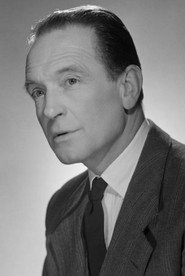
Pierre Fresnay
Le docteur Rémy Germain

Ginette Leclerc
Denise Saillens

Micheline Francey
Laura Vorzet
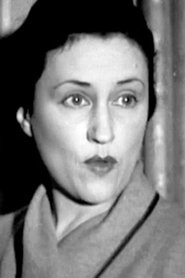
Héléna Manson
Marie Corbin, l'infirmière
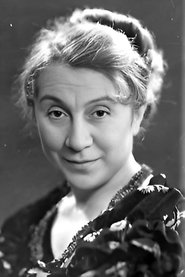
Jeanne Fusier-Gir
La mercière
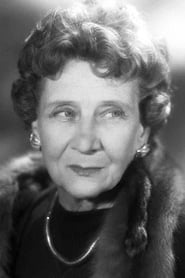
Sylvie
La mère du cancéreux
Liliane Maigné
Rolande Saillens
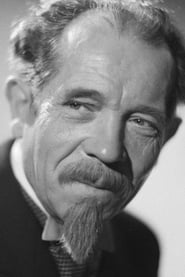
Pierre Larquey
Michel Vorzet
Credits
Want more? Switch to Cinephile mode in the header for DP, composer, budget, box office, production companies, keywords, and release history.
Did you know?
Did you know
83 years old — a genuine piece of film history.
Did you know
Directed by Henri-Georges Clouzot, shot by Nicolas Hayer. Note their partnership — DPs and directors often return to each other across a career.
Did you know
Original score by Tony Aubin. Worth a dedicated listen after — most great films lose half their impact without the score.
Did you know
Editor Marguerite Beaugé shaped the rhythm. On an edit-heavy film, the editor does more to control your pulse than the director.
Did you know
Pierre Fresnay and Ginette Leclerc and Micheline Francey carry the top of the cast.
Did you know
Marketing tagline: "One of the Most Discussed Films in the History of French Cinema!".
Did you know
IMDB entry: tt0035753 — still the authoritative cross-reference for credits and trivia.
Cinephile deep dive
Henri-Georges Clouzot directs. Nicolas Hayer behind the camera. Tony Aubin scores. Marguerite Beaugé cuts. Runs lean at under 100 minutes. Produced in France. Dialogue in French.
Trivia
Also by
Trailers & featurettes
Community reviews
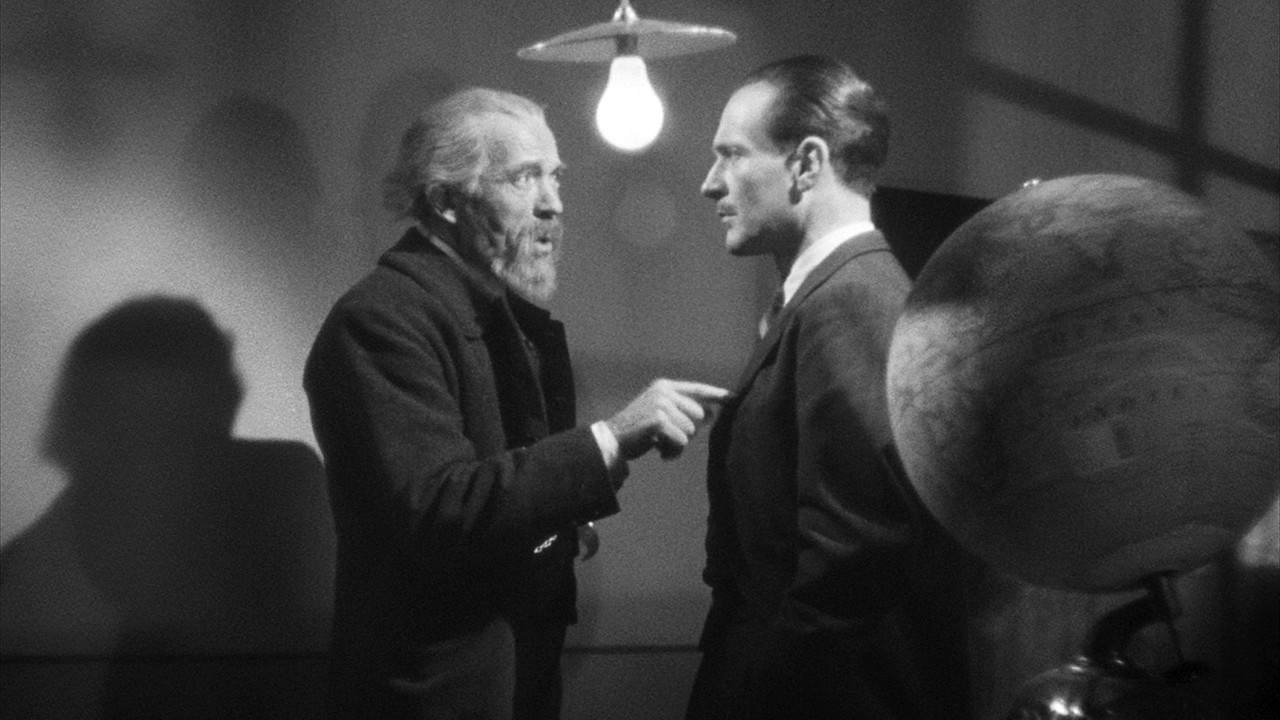
The ink which makes blood flow. Le Corbeau is directed by Henri-Georges Clouzot and co-written by Clouzot and Henri Chavance. It stars Pierre Fresnay, Ginette Leclerc, Pierre Larquey and Micheline Francey. Music is by Tony Aubin and cinematography by Nicolas Hayer. We are in a small French town, the actual name of which is not known and is inconsequential. A series of poison pen letters are being sent out to the town dignitaries, accusing them of all sorts of inappropriate operations. The letters are signed by someone calling themselves Le Corbeau (The Raven), and pretty soon the town starts to implode as suspicion and mistrust runs wild. Famously it was the film that saw Clouzot banned from making films, the then young director receiving flak from all quarters of the Vichy Government - Catholic Church - Left Wingers and others too! The asides to the Nazi occupation of France at the time not being acknowledged until some years later. That very theme obviously holds considerable weight, but it's not the be all and end all of Clouzot's magnificent movie. Clouzot and Chavance tap into the troubling fallibility of the human race, portraying a town quickly submerged in moral decay. There is caustic observations on the higher echelons of society, a clinical deconstruction of a town quick to cast aspersions without thinking of consequences, while the script boasts frank intelligence and no fear of censorship. That a town so ripe in respected denizens could become so diseased, so quickly, makes for powerful viewing. All are guilty as well, nobody escapes, even the youngsters are liars or cheats, thieves or rumour spreaders, this be a Hades town where negativity runs rife and leads to broken bodies, broken souls and broken human spirits. Very much a bastion of proto-noir cinema, it's photographed with an awareness to marry up to the acerbic thematic at work. Shadows feature prominently, even in daylight, canted angles are used to great effect, broken mirrors perfectly imbuing the fractures of the human psyche. A number of scenes are startlingly memorable, a funeral procession and a church service interrupted by one of The Raven's letters are superbly staged, the pursuit of a nurse through the cobbled streets is menacing, and the finale is hauntingly raw. Top performances across the board from the cast brings further rewards, whilst simultaneously adding more plaudits to Clouzot's direction. All in all, a remarkable, fascinating and potent piece of cinema. 9/10
Made in France slap bang in the middle of WWII, this is a gripping tale of small town mentality and duplicity. Some character called "The Raven" is sending some pretty nasty poisoned-pen letters to the folks in the village of 'St. Robin". It's the local doctor "Germain" (Pierre Fresnay) who is bearing the brunt of these accusatory missives - mainly suggesting that he is having an illicit affair with "Laura" (Micheline Francey) who is married to the local shrink "Vorzet" (Pierre Larquey). As these letters become more and more widespread, and toxic, a tragedy ensues that focusses everyone's attention on tracking down the culprit - and that process exposes all sorts of crimes and misdemeanours. Principal amongst the suspects is the ailing (or hypochondriac) "Denise" (Ginatte leclerc) who does rather steal the show as her machinations seem to make her the obvious candidate. Is she though? Fresnay is also on great form here as the slightly aloof doctor and we gradually realise that just about nobody in this village is whom they purport to be. Henri-Georges Clouzot cleverly manipulates the cast of characters - and the audience - for ninety minutes of an intrigue that thinly disguises a degree of political commentary of Vichy France tempered with a good old-fashioned mystery that would have challenged "Sherlock Holmes". The denoument is all a wee bit rushed and slightly abrupt, but the build up is internecine and engaging and this is well worth a watch.
Production companies

Continental Films
FR
Themes & keywords
Release history · US
Also known as