

1 / 8
RUNTIME
Did you know
85 minutes exactly — the "classic feature" runtime most directors aim for.
MoodPlayr · trivia#01
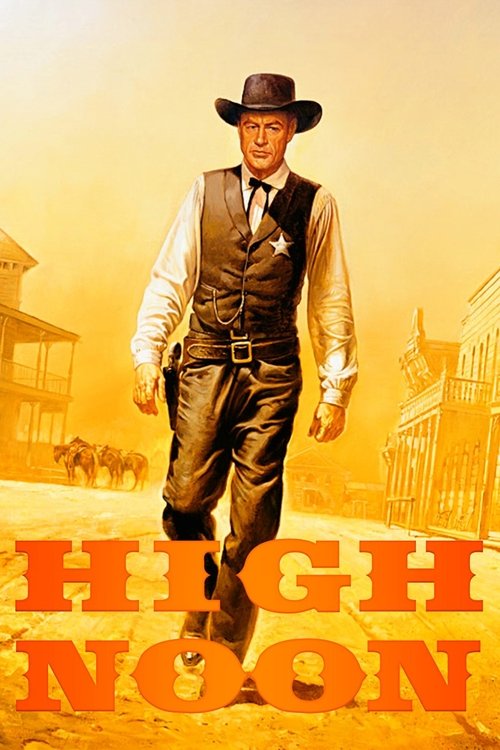
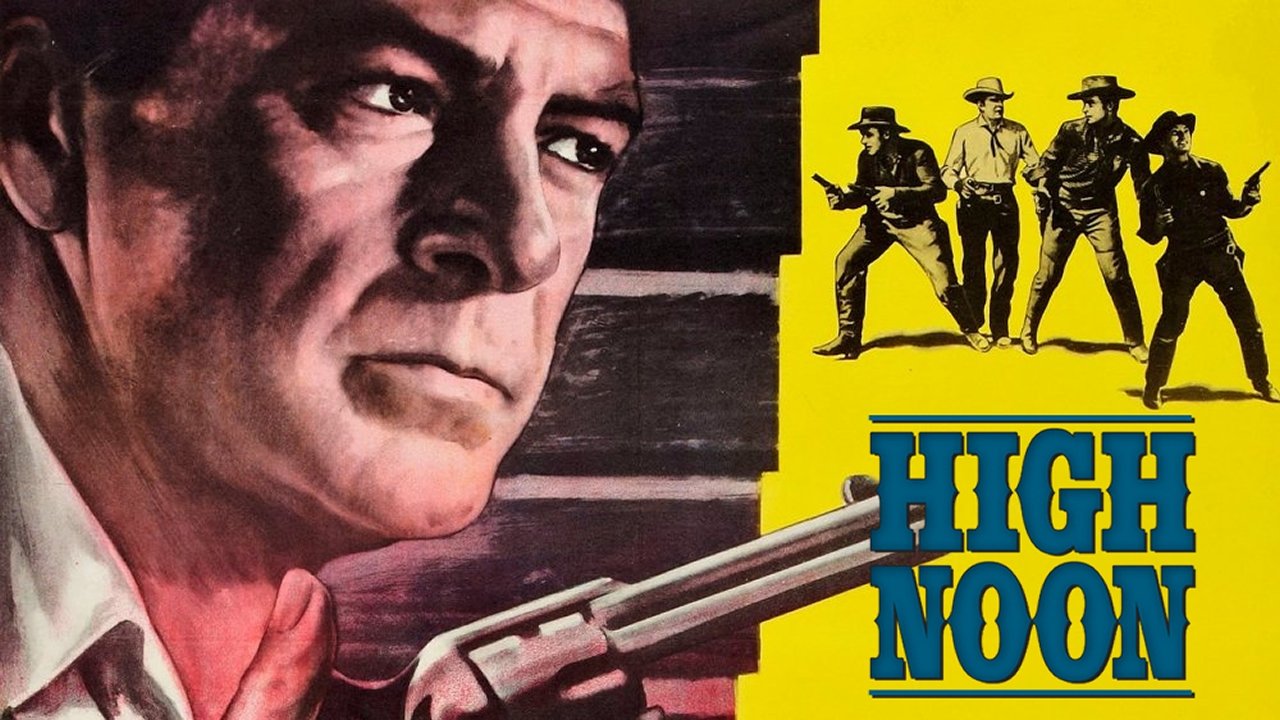
"The story of a man who was too proud to run!"
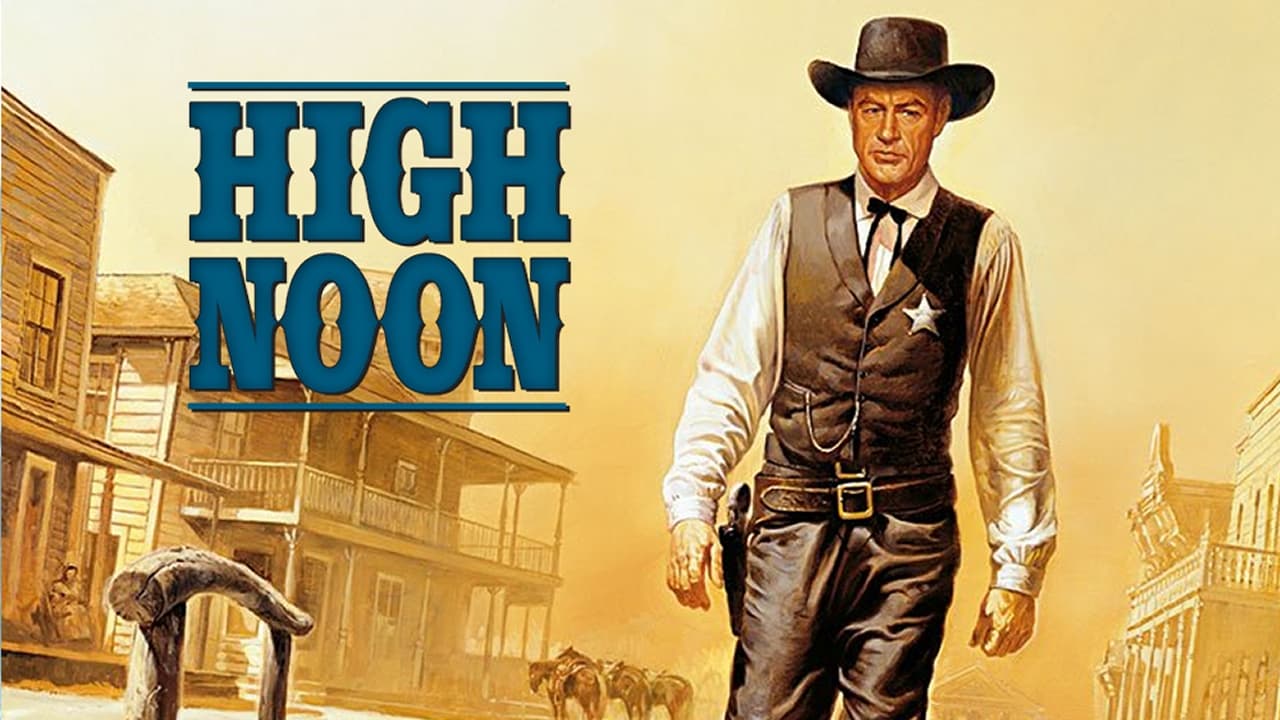
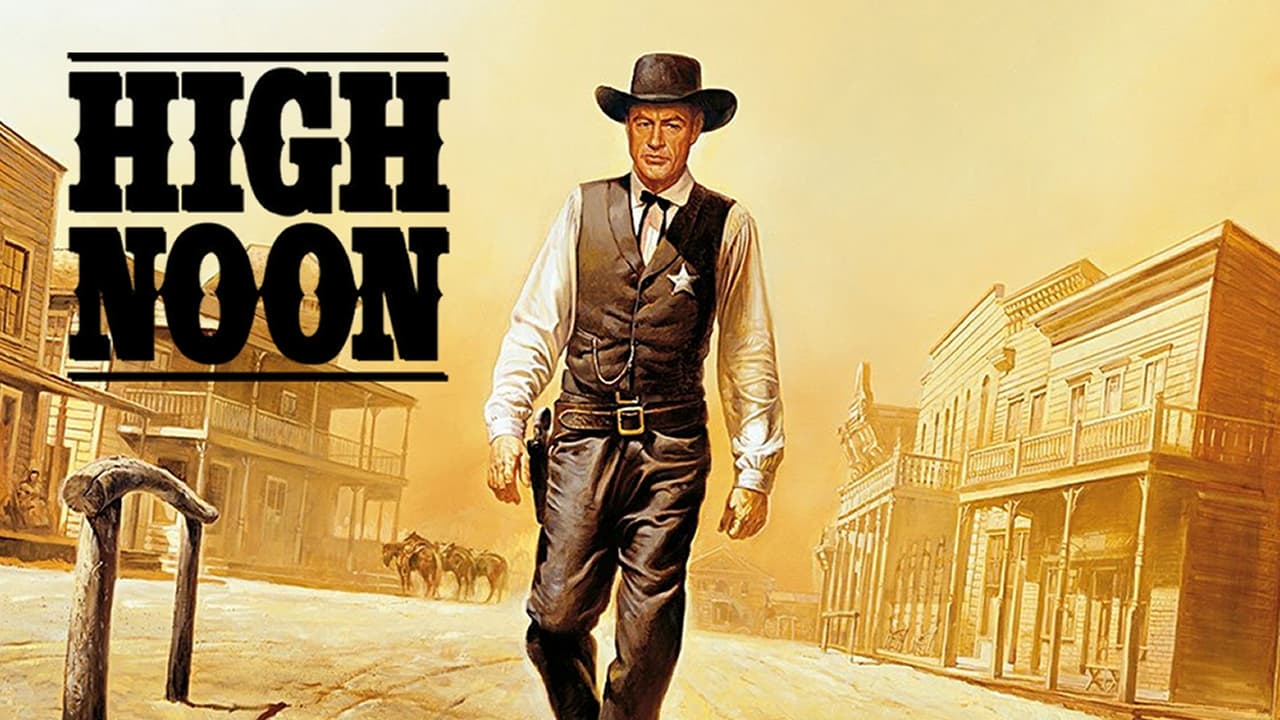
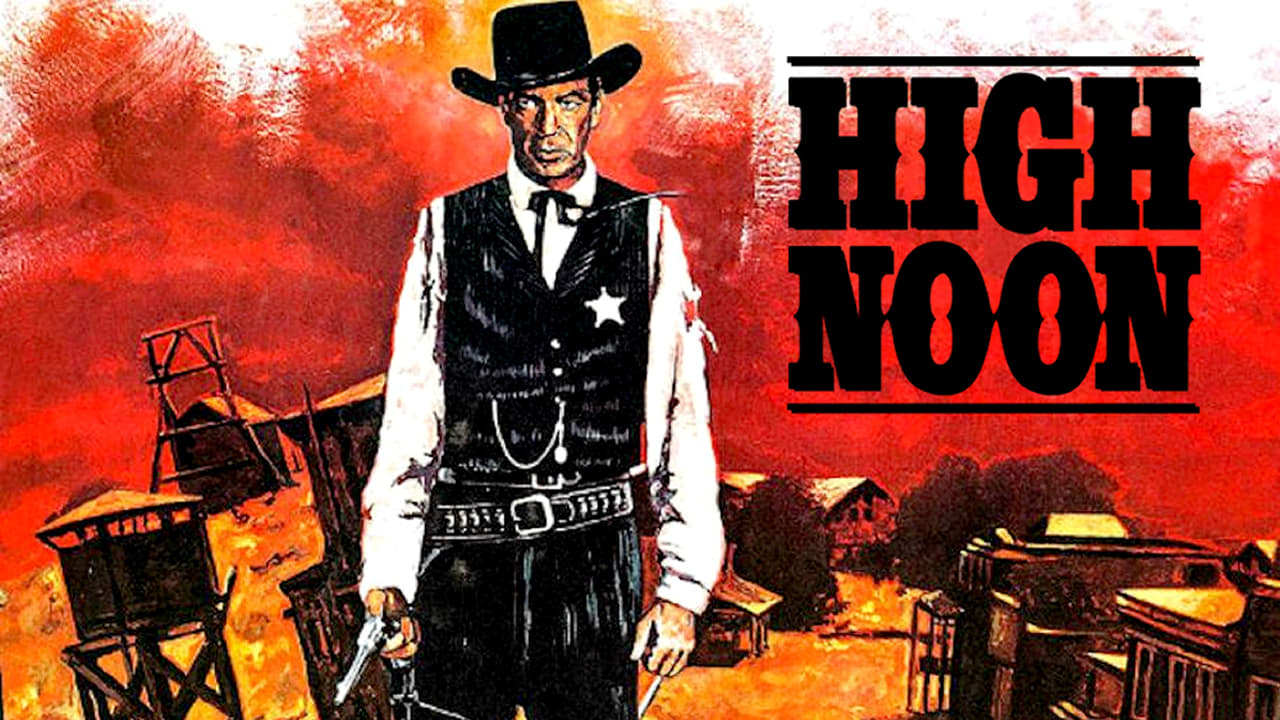
Will Kane, the sheriff of a small town in New Mexico, learns a notorious outlaw he put in jail has been freed, and will be arriving on the noon train. Knowing the outlaw and his gang are coming to kill him, Kane is determined to stand his ground, so he attempts to gather a posse from among the local townspeople.
“The story of a man who was too proud to run!”
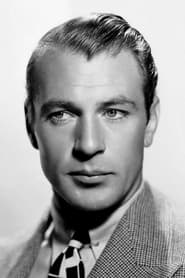
Gary Cooper
Marshal Will Kane
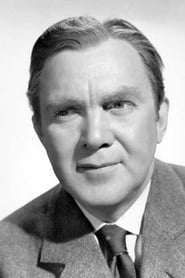
Thomas Mitchell
Mayor Jonas Henderson
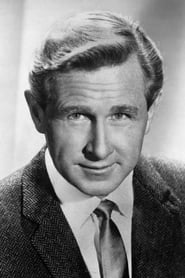
Lloyd Bridges
Deputy Marshal Harvey Pell

Katy Jurado
Helen Ramírez
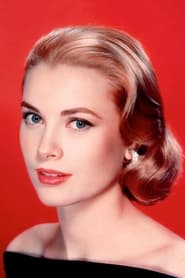
Grace Kelly
Amy Fowler Kane
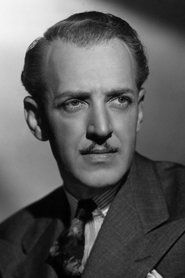
Otto Kruger
Judge Percy Mettrick
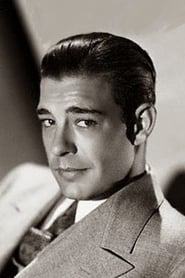
Lon Chaney Jr.
Martin Howe
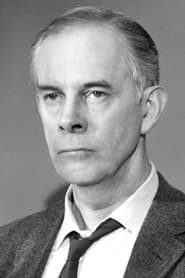
Harry Morgan
Sam Fuller
Credits
Want more? Switch to Cinephile mode in the header for DP, composer, budget, box office, production companies, keywords, and release history.
Did you know?
Did you know
85 minutes exactly — the "classic feature" runtime most directors aim for.
Did you know
Shot for just $0.7M — micro-budget by Hollywood standards.
Did you know
Grossed $8M — a 11.0× return. The kind of profit studios chase for a decade.
Did you know
74 years old — a genuine piece of film history.
Did you know
Dialogue crosses 2 languages: English, Spanish.
Did you know
Directed by Fred Zinnemann, shot by Floyd Crosby. Note their partnership — DPs and directors often return to each other across a career.
Did you know
Original score by Dimitri Tiomkin. Worth a dedicated listen after — most great films lose half their impact without the score.
Did you know
Editor Elmo Williams shaped the rhythm. On an edit-heavy film, the editor does more to control your pulse than the director.
Cinephile deep dive
Fred Zinnemann directs. Floyd Crosby behind the camera. Dimitri Tiomkin scores. Elmo Williams cuts. Runs lean at under 100 minutes. Made its budget back several times over at the box office. Produced in United States of America. Dialogue in English, Spanish.
Trivia
Awards
Individual records documented via Wikidata; the summary above may count more.
Also by
Stills · wallpapers
Full-resolution frames — open one to save it as a wallpaper.
Trailers & featurettes
Community reviews
A masterpiece of tightly plotted drama/suspense in what would become The Adult Western. Normally, one is happiest on your wedding day, but former lawman Will Kane is troubled. An old nemesis is due on the noon train, and his gang is in town to meet him. He's sworn to kill the man who sent him to prison, so the expected action is to flee. But weighed down with a new bride and traveling in a buckboard, there's no chance of escape. Seeking help to at least face down the gang, Will Kane returns to town, and finds that everybody either won't or can't Do The Right Thing. The inaction of the town is a thinly disguised parable of The Cold War, with the U.S. standing alone against the Red Menace As Will Kane walks through the silent town, which he "served and protected" for years, we are left to wonder if we would do the same. 8/10
This is just a dirty little village in the middle of nowhere. Nothing that happens here is really important. Will Kane (Gary Cooper) is a retiring lawman all set to leave the town of Hadleyville with his new bride Amy (Grace Kelly). But word comes that a notorious gunslinger he put in prison has been released and is heading to town with his gang intent on bloody revenge. With a sense of fearless duty Kane decides to stay and sets about enlisting a posse, however, he finds that nobody in the town that he made safe for everyone will aid him in his mission. The 1950s saw a big shift in styles for the American Western. After the yee-haw Cowboy Vs Indians excess of the 40s, the decade was ushered in by such films as Broken Arrow. Showing the Native Americans in a sympathetic light, Broken Arrow also showed that clearly Westerns had much more to offer than frothy shoot them up entertainment. Which brings us to High Noon, a black and white Oater that landed in 1952 and is still today revered as a quintessential classic Western. Which is not bad considering there's no gun-play here until the last five minutes of the 85 minute running time. What makes High Noon so significant is that it's not a big movie in terms of production. There's no reams of extras dashing around in glorious Technicolor, no sprawling vistas inhabited by colourful characters, this is pretty understated stuff. Yet thematically it's as big as it gets, a lesson in character drama where not a frame is wasted. From the unforgettable opening of three bad men (Lee Van Cleef, Robert Wilkie, Sheb Wooley) waiting at the station while Tex Ritter's ballad explains the plot, to the now legendary and iconic ending, High Noon simmers with suspense and intensity as the story unravels - all told in real time too. Based on a short story called The Tin Star written by John W. Cunningham, High Noon is directed metronomically by Fred Zinnermann and is shot in high contrast by cinematographer Floyd Crosby. Thus the film has a documentary feel to it, giving it an authentic edge so rarely seen in the Western genre. The piece is further boosted by the performance of Cooper. Winning the Oscar for best male performance, Cooper was 50 years old and into his third decade as a movie star. His prancing around in Western days were reducing by the month, yet High Noon shows it to be one of the finest casting decisions made in the 50s. In agony from a back injury and other ailments during the shoot, Cooper carries the movie with brilliant sincerity, conveying the pain of a man now alone as he trundles towards doom. The realisation is that all his heroism and graft that made Hadleyville a safe place for women and children to live, now counts for nothing, it's a heavy weight on Kane's shoulders. It's here where Cooper excels, there's no histrionics or drawn out speeches, it's through expressions and body movements that the story gains its emotional momentum. A remarkable turn from a remarkable actor, proof positive that you didn't need a dashing leading man to propel your movie. The film notoriously angered Howard Hawks & John Wayne, the themes and the perceived allegory for blacklisting a bone of contention that led to them making Rio Bravo as a riposte in 1959. There's many an essay on High Noon and the links to Senator Joe McCarthy, HUAC etc etc, so really I have no interest in going there. Instead I think it's just fitting to say that Zinnermann himself always resisted talking in terms of allegorical interpretations for his film. He, rightly so, felt to do that would be unfair and dampen the huge significance of his wonderful movie. Amen to that. 10/10
I am guessing that High Noon is one of those seminal films that influenced the western genre immensely for a long time. The fifties? That is back when we wanted our heroes to be heroic. No greed or cruelty or inconsistent morals were allowed. Marshall Will Kane states near the beginning that he has to stick around for the evil Frank Miller to show up. Then he admittedly has a bit of a wobble when it seems the whole town, including his new Quaker wife, is telling him to leave. It is his time in the wilderness fighting the devil of easy-ways-out, But in the end he is Marshall Will Kane sticking around because it was the right thing to do. Hero time, and it works. It is not all that works. This movie uses a can’t miss formula to build up suspense. We are told early on that the bad guys will be sauntering into town after the noon train arrives, and then the rest of the way we catch glimpses of clocks to keep us informed about how much longer it will be for the payoff scenes. Tick, tick, tick. The back story of several of the characters is laid out for us while it slowly becomes clear that the Marshall is on his own. I will say no more abut the plot. You must not watch this with a jaundiced eye. If you find yourself thinking, man, I have seen this or that in so many westerns, remember that those other westerns likely came after this one. Watch it for its craftsmanship in how it tells a simple story expertly, and keep an eye on that clock. Tick, tick, tick.
Production companies
Stanley Kramer Productions
US
Themes & keywords
Release history · US
Also known as