1 / 8
RUNTIME
Did you know
80 minutes exactly — the "classic feature" runtime most directors aim for.
MoodPlayr · trivia#01
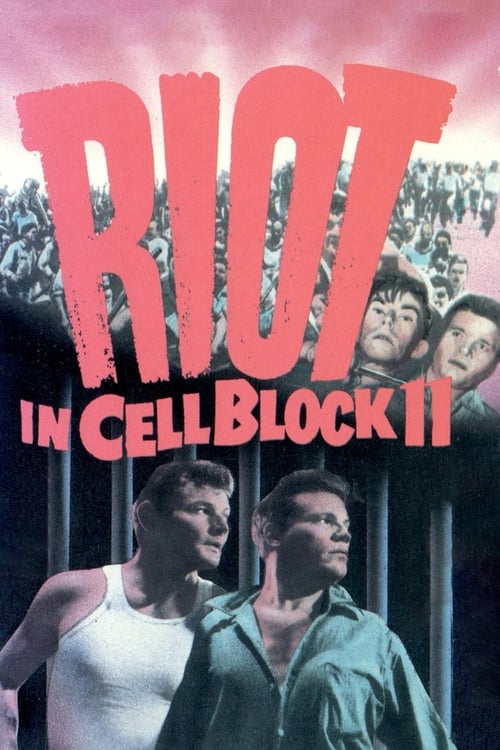
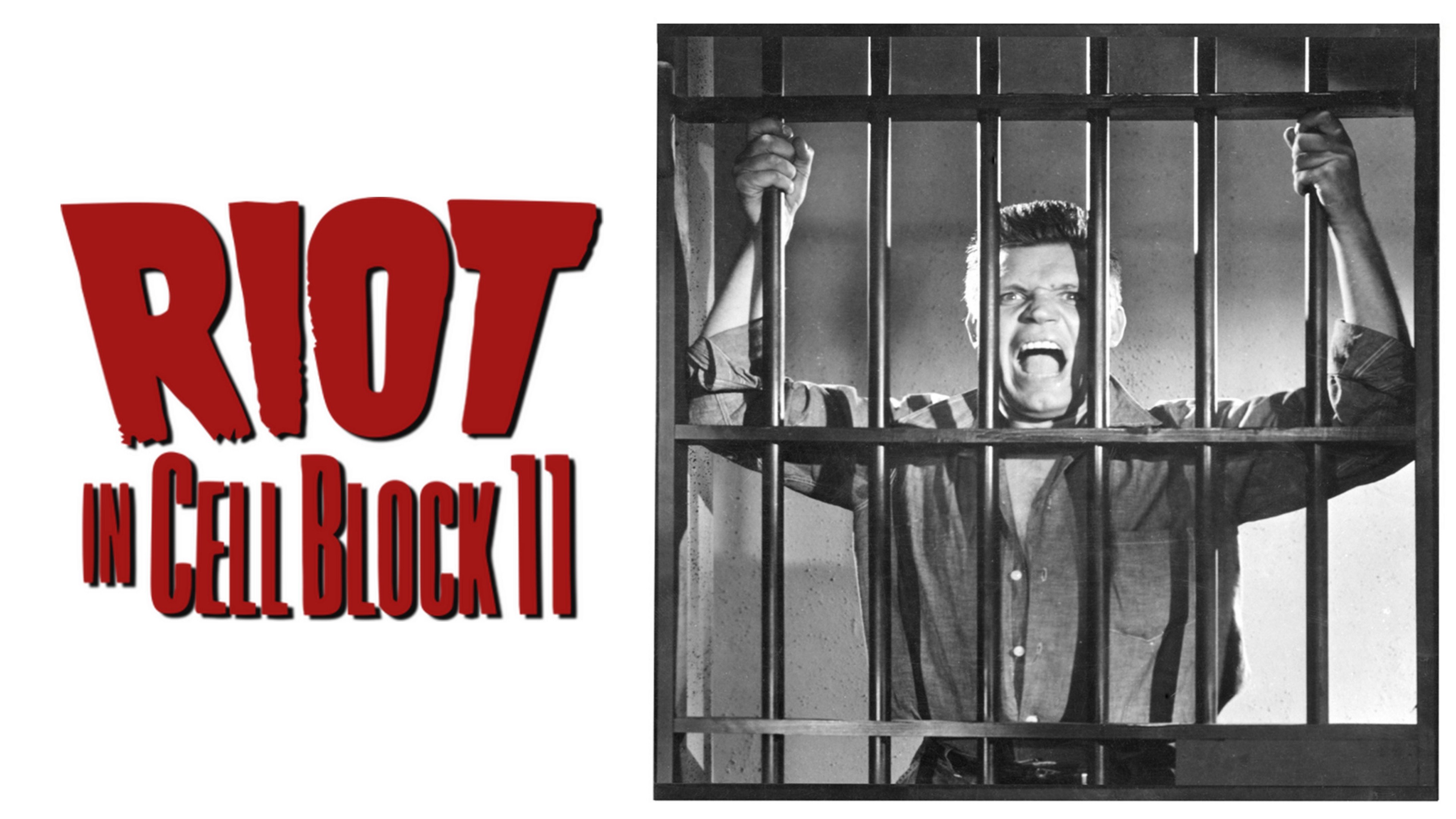
"FILMED ON THE SPOT BEHIND PRISON WALLS!"
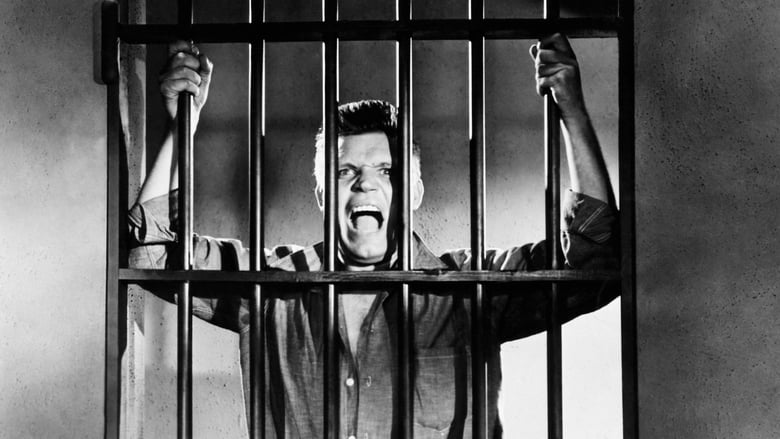
A prisoner leads his counterparts in a protest for better living conditions which turns violent and ugly.
“FILMED ON THE SPOT BEHIND PRISON WALLS!”
Where to watch · US
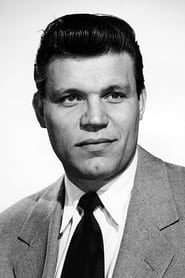
Neville Brand
James V. Dunn
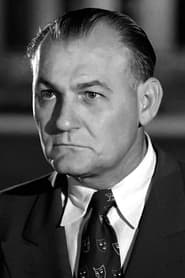
Emile Meyer
Warden Reynolds

Frank Faylen
Commissioner Haskell
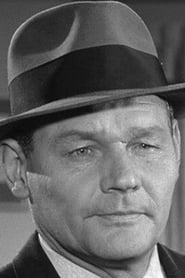
Leo Gordon
Crazy Mike Carne
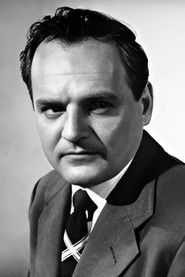
Robert Osterloh
The Colonel
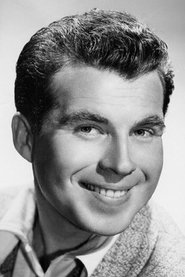
Paul Frees
Guard Monroe
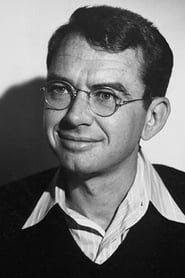
Don Keefer
Reporter
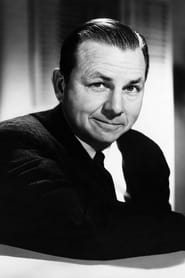
Alvy Moore
Gator
Credits
Want more? Switch to Cinephile mode in the header for DP, composer, budget, box office, production companies, keywords, and release history.
Did you know?
Did you know
80 minutes exactly — the "classic feature" runtime most directors aim for.
Did you know
Shot for just $0.3M — micro-budget by Hollywood standards.
Did you know
Made its money back 5.1× over at the box office.
Did you know
72 years old — a genuine piece of film history.
Did you know
Directed by Don Siegel, shot by Russell Harlan. Note their partnership — DPs and directors often return to each other across a career.
Did you know
Original score by Herschel Burke Gilbert. Worth a dedicated listen after — most great films lose half their impact without the score.
Did you know
Editor Bruce B. Pierce shaped the rhythm. On an edit-heavy film, the editor does more to control your pulse than the director.
Did you know
Neville Brand and Emile Meyer and Frank Faylen carry the top of the cast.
Cinephile deep dive
Don Siegel directs. Russell Harlan behind the camera. Herschel Burke Gilbert scores. Bruce B. Pierce cuts. Runs lean at under 100 minutes. Made its budget back several times over at the box office. Produced in United States of America. Dialogue in English.
Trivia
Awards
Nominated for 2 BAFTA 3 nominations total
Also by
Stills · wallpapers
Full-resolution frames — open one to save it as a wallpaper.
Trailers & featurettes
Community reviews
www.noiroftheweek.com Coming as a big surprise to me, the forgotten gem Riot in Cell Block 11 is being released by Criterion on DVD soon. The film is a semi-documentary noir released in the early 1950s. The film documents a fictional riot at the famous California prison, Folsom. The film has none of the dramatic shadows found in classic noir. It's shot like a documentary. No showy camera angles. But don't let the films look -- or its lack of stars keep you from seeing it. It's one of a kind. Directer Don Siegel was still years away from becoming Eastwood's mentor and the director of slick 70s and 80s big-budget productions. Some film historians will tell you he made his mark in the 70s while learning his craft in the 40s and 50s. I think they might be wrong. Siegel directed some of the best noir -- many of which we've showcased here. They were Noir of the Week selections not because of the director, but because the films are just so good. The locked-room mystery The Verdict (1946), Mitchum's The Big Steal (1949), Count the Hours (1953), Ida Lupino in Private Hell #36 (1956), and Eli Wallach in The Lineup (1958) have all been written about here. All are outstanding. Those titles could put Siegel up there with some of the best noir directors. And I didn't even mention the still-imitated but never topped sci-fi noir Invasion of the Body Snatchers! Riot in Cell Block 11 is a story ripped from today's headlines. It begins like other semi-documentary noirs with newsreel footage over a booming voice. The footage shows prison riots around the country. The Folsom riot is started after mistreatment of prisoners. The combination of no-name actors and actual prisoners and prison personnel give the film a real feel. And it's shot on location. My only criticism of the movie is they downplayed some of the horrors of prison life. The filmmakers do a bit of a soft shoe and doesn't show any real brutality. It's certainly not hopeful like Shawshank Redemption, but it's surprising the film doesn't get into corruption or some of the real problems facing prisoners back then. Surprising because the producer just spent some real hard time in lockup. Producer Walter Wanger just got out of jail after serving four months for shooting his wife's "paramour." His wife? None other than Joan (The Woman in the Window) Bennett. Wanger was a wildly successful producer but financial woes after starting his own production company and, yeah, shooting a guy end all the good times for a while. When he was released in '51 he managed to secure a 5-million dollar deal with Allied Artists and made the modest Riot in Cell Block 11. Like many noirs, sometimes the story behind the film is as interesting as the movie. Not only did Wanger just get out of jail, but one of his stars also did some real hard time. Leo Gordon served a stretch in San Quentin for armed robbery. Legend has it Gordon was strip searched by prison guards every day he showed up for shooting Riot in Cell Block 11. Guards knew his reputation as a prisoner in San Quentin. Siegel called him, "The scariest man he ever met!" He's the guy in the trailer in a tank top flipping a knife into a guy's chest. Leo Gordon threatens Whit Bissell in Riot in Cell Block 11 Western and noir fans will recognize Neville Brand from DOA and countless oaters, Emile Meyer is the prison warden, Frank Faylen -- the cabbie in It's a Wonderful Life -- makes an appearance, and timid Whit Bissell -- of all people -- as the sadistic screw. But most will recognize none and just enjoy a gritty, brutal film with a bittersweet but highly appropriate ending. Audiences did in the 1950s as this film played in theaters for years after it's release. By the way, you may confuse this film with the other Folsom prison movie, 1951's Inside the Walls of Folsom with Steve Cochran. The earlier film is the first to be filmed in the famous lock up -- and Johnny Cash's inspiration. It's a Warner Bros. film and has much more of the traditional noir style than Riot in Cell Block 11. It also shows Folsom as a harsher, scarier place. It -- not unlike the great Brute Force -- shows the prisoners in a much more positive light than the guards and warden. Maybe when it came down to making another movie at Folsom prison officials made it clear that they wanted the production team to tone it down. Even so, Riot in Cell Block 11 is the better of the two films and a worthwhile choice by Criterion.
This begins with a television interview given by real-life prison reformer Richard McGee who reacts to a well documented spate of prison riots by informing the audience that they, too, must bear their share of responsibility for the conditions endured by the inmates. We are then taken to Block 11 where it does prove remarkably easy - especially given the prevailing tensions across the system - to nobble a guard, take his three colleagues hostage and then within a few hours take control of their entire prison. It's "Dunn" (Neville Brand) who came up with their plan, and escape isn't his intention. He wants both the prison governor (Emile Meyer) and the state one (Thomas Browne Henry) to agree to a series of demands that will ensure a more humane form of incarceration in future. What now ensues is a delicately played game of chicken. The prisoners reckon they don't have much to lose by killing one of the hostages if they don't get what they want. The authorities are terrified that acquiescing might just be a taper to light fires in institutions all across the country. Don Siegel delivers quite a poignant drama as the inmates begin to factionalise whilst the powers that be struggle to resist a more direct intervention and Brand, Meyer and Robert Osterloh's "Colonel" help create a story that offers food for thought. We have no idea why these men are in prison, which means we must make our evaluations as to the modern-day version of torture and solitary confinement imposed to keep discipline or to break spirits, or both, blindly? Yes, it is a bit predictable, but still worth eighty minutes.
Production companies
Allied Artists Pictures
US
Themes & keywords
Release history · US