

1 / 5
ERA
Did you know
50 years old — a genuine piece of film history.
MoodPlayr · trivia#01
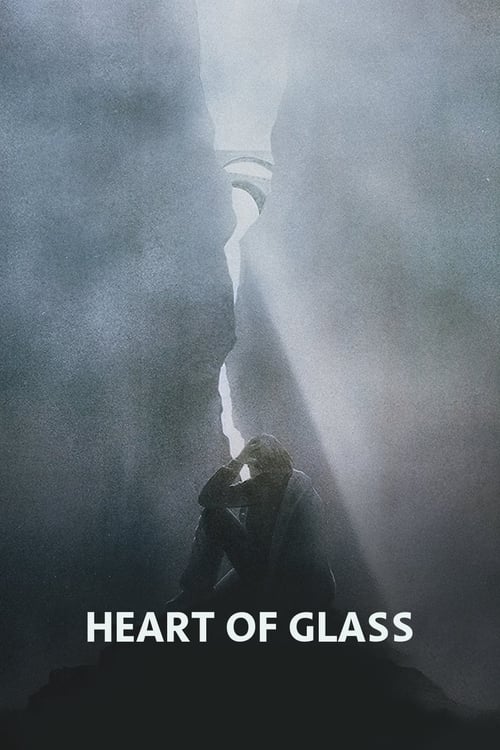
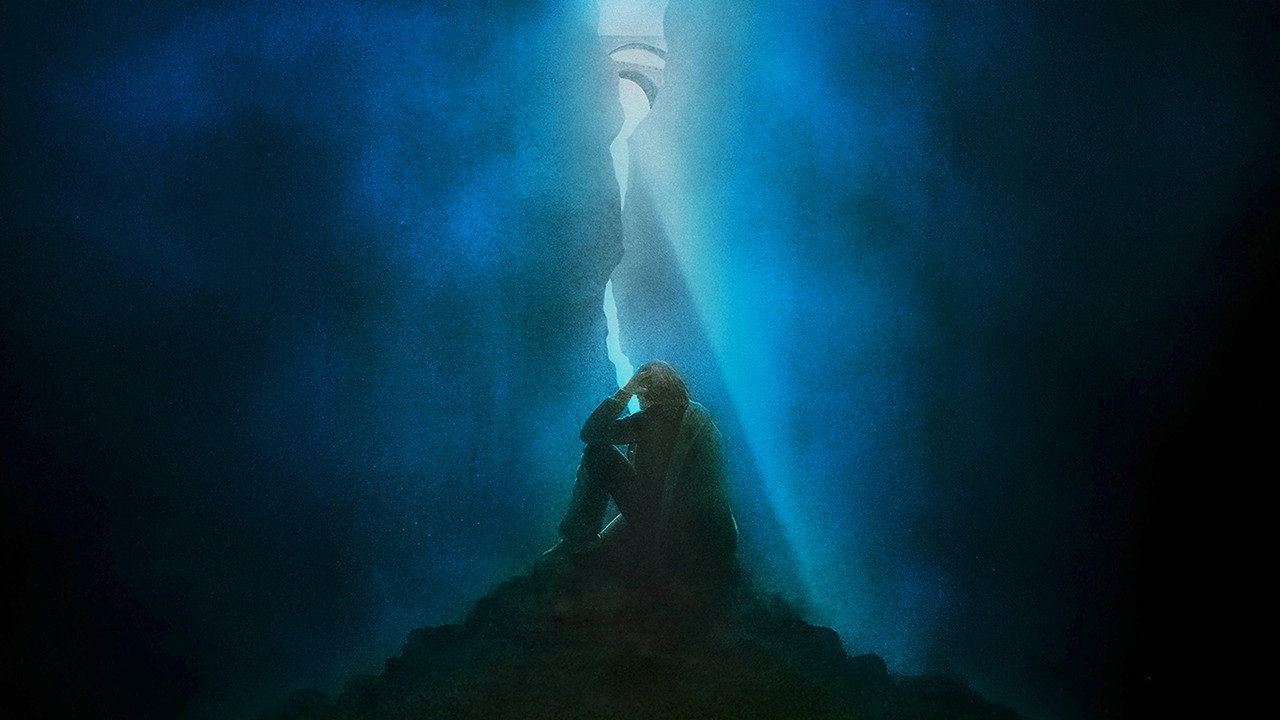
A small Bavarian village is renowned for its "Ruby Glass" glass blowing works. When the foreman of the works dies suddenly without revealing the secret of the Ruby Glass, the town slides into a deep depression, and the owner of the glassworks becomes obssessed with the lost secret.
“Some stories are better left unspoiled.”
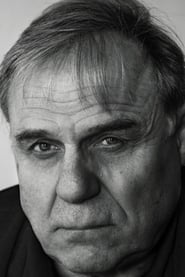
Josef Bierbichler
Hias
Stefan Güttler
Hüttenbesitzer
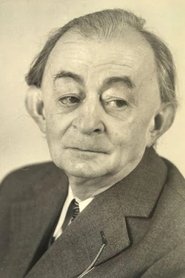
Clemens Scheitz
Adalbert, the servant
Sonja Skiba
Ludmilla
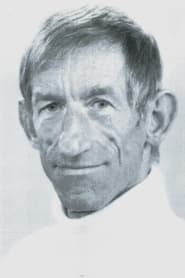
Volker Prechtel
Wudy
Brunhilde Klöckner
Paulin
Wolf Albrecht
Sam
Thomas Binkley
Lute player
Credits
Want more? Switch to Cinephile mode in the header for DP, composer, budget, box office, production companies, keywords, and release history.
Did you know?
Did you know
50 years old — a genuine piece of film history.
Did you know
Directed by Werner Herzog, shot by Jörg Schmidt-Reitwein. Note their partnership — DPs and directors often return to each other across a career.
Did you know
Editor Beate Mainka-Jellinghaus shaped the rhythm. On an edit-heavy film, the editor does more to control your pulse than the director.
Did you know
Josef Bierbichler and Stefan Güttler and Clemens Scheitz carry the top of the cast.
Did you know
IMDB entry: tt0074626 — still the authoritative cross-reference for credits and trivia.
Cinephile deep dive
Werner Herzog directs. Jörg Schmidt-Reitwein behind the camera. Beate Mainka-Jellinghaus cuts. Runs lean at under 100 minutes. Produced in Germany. Dialogue in German.
Trivia
Also by
Trailers & featurettes
Community reviews
Maybe it was Herzog’s intention, but I will admit to a degree of confusion as the credits rolled on this. On the face of it, it is about a village famed for it’s artisan “Ruby” glass. The thing is, though, it’s only the factory foreman who knows the secrets of it’s manufacture and when he dies the rest of the place fears the worst. “Hias” (Josef Bierbichler) seems to have some gift of prophecy and is certainly not a man whose glass is half full. Indeed he rather ominously portends poverty and gloom for the villagers - a fate even more doom-laden than just not having the “Ruby”. In so far as that linear storyline might have laid a bedrock for the film, then I was on board. However, that thread becomes less and less relevant to the character emphasis as we start off the film with something violent and borderline absurd and then progress through a series of scenarios that don’t really advance the plot at all. Is it a glimpse at hopelessness? At the relentlessness of that hopelessness? There are allusions to serfdom and dynastic governments to fuel those theories, but then we intermittently divert to a series of beautiful glass-blowing scenes or to some picturesque photography accompanied by a really quite haunting soundtrack. Whilst it isn’t exactly paceless, I did struggle at times to stay engaged as very little actually happens on screen. Sure, perhaps your mind is meant to be whirring around absorbing the allegorical observations, but my stylus just wasn’t sufficiently on his vinyl here to really get much more from this than a certain chilliness and an appreciation of a solid effort from Bierbichler. It’s a film for the cinema, if only because it makes it easier to focus without more convenient television distractions, and I have a feeling this was a step in this director’s cinematic journey that he wasn’t so bothered about us accompanying him on.
Production companies

Werner Herzog Filmproduktion
DE
Themes & keywords
Release history · US
Also known as