1 / 8
ERA
Did you know
29 years old — old enough to be someone's favourite childhood film.
MoodPlayr · trivia#01
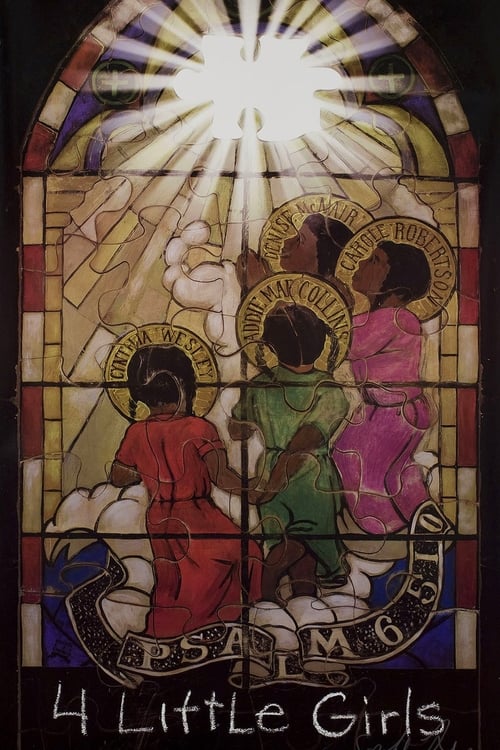
"On that Birmingham Sunday the blood ran like wine"
On September 15, 1963, a bomb destroyed a black church in Birmingham, Alabama, killing four young girls who were there for Sunday school. It was a crime that shocked the nation--and a defining moment in the history of the civil-rights movement. Spike Lee re-examines the full story of the bombing, including a revealing interview with former Alabama Governor George Wallace.
“On that Birmingham Sunday the blood ran like wine”

Maxine McNair
Self - Mother of Denise McNair
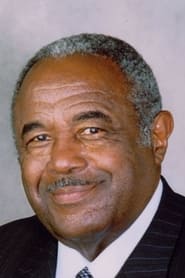
Chris McNair
Self - Father of Denise McNair
Helen Pegues
Self - Denise's Aunt
Queen Nunn
Self - Neighbor of Denise McNair
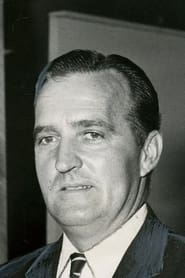
Arthur Hanes Jr.
Self - Defense Attorney for Bob Chambliss

Howell Raines
Self - New York Times Editor
Harold McNair
Self - Denise's Uncle
Carole C. Smitherman
Self - Denise's Childhood Friend
Credits
Want more? Switch to Cinephile mode in the header for DP, composer, budget, box office, production companies, keywords, and release history.
Did you know?
Did you know
29 years old — old enough to be someone's favourite childhood film.
Did you know
Directed by Spike Lee, shot by Ellen Kuras. Note their partnership — DPs and directors often return to each other across a career.
Did you know
Original score by Terence Blanchard. Worth a dedicated listen after — most great films lose half their impact without the score.
Did you know
Editor Sam Pollard shaped the rhythm. On an edit-heavy film, the editor does more to control your pulse than the director.
Did you know
Maxine McNair and Chris McNair and Helen Pegues carry the top of the cast.
Did you know
Marketing tagline: "On that Birmingham Sunday the blood ran like wine".
Did you know
IMDB entry: tt0118540 — still the authoritative cross-reference for credits and trivia.
Did you know
Only 59 TMDB ratings — you're getting ahead of the curve on this one.
Cinephile deep dive
Spike Lee directs. Ellen Kuras behind the camera. Terence Blanchard scores. Sam Pollard cuts. Produced in United States of America. Dialogue in English.
Trivia
Awards
Nominated for 1 Oscar. 9 wins & 11 nominations total
Individual records documented via Wikidata; the summary above may count more.
Also by
Trailers & featurettes
Community reviews
At the height of the racial tensions in Alabama in 1963, the entire American nation was shocked by a bomb exploding in a church that killed four young girls. What we now see for the next hundred minutes or so is a delicately but powerfully woven story that talks to, and reminisces with, family members of the victims whilst illustrating with a plentiful and powerful selection of archive just how generally toxic the atmosphere was in a state where segregation was rife and supported at the highest levels of it's democratically elected government. What's also quite striking about this documentary is that it makes much more of an effort than many of it's contemporaries to present a potent balance, with both live and retrospective contributions from some of the establishment individuals whose dyed-in-the-wool bigotries were actually now being challenged from sources that hitherto had been entirely faithful to the white supremacists - either passively or aggressively. The ultimate sacrifice these girls made may actually have had an unexpectedly immeasurable effect on turning the stomachs of millions of ordinary citizens whose disgust at the actions of the KKK here, and in the burnings of many other churches and chapels throughout the state, actually led to profound changes of opinion and policy in Kennedy's Washington D.C. that were enforced despite considerable local opposition. The conversations with the families is touching but it's also remarkably devoid of rancour. There is anger but surprisingly little bitterness as their periods of mourning and grief - always supported by their strong Christian faith - seem prepared to yield to progress for their entire race in a country where their second class status was both disenfranchising and humiliating. The lack of narration is also quite persuasive, allowing us to listen, to watch and to appreciate better the atrocities being routinely carried out against a population who were more than welcomed into the army during WWII, but thereafter were treated little better than cattle. It's an interestingly crafted look at just how yesterday's hatred might become tomorrow's forgiveness, and though frequently harrowing is an history that is much more enlightening than just a series of well-edited shock images, an is certainly worth a watch.
Production companies

40 Acres and a Mule Filmworks
US
Release history · US
Also known as
 Movie
Movie1990
 Movie
Movie2012
 Movie
Movie1964
 Movie
Movie2014
 Movie
Movie2019
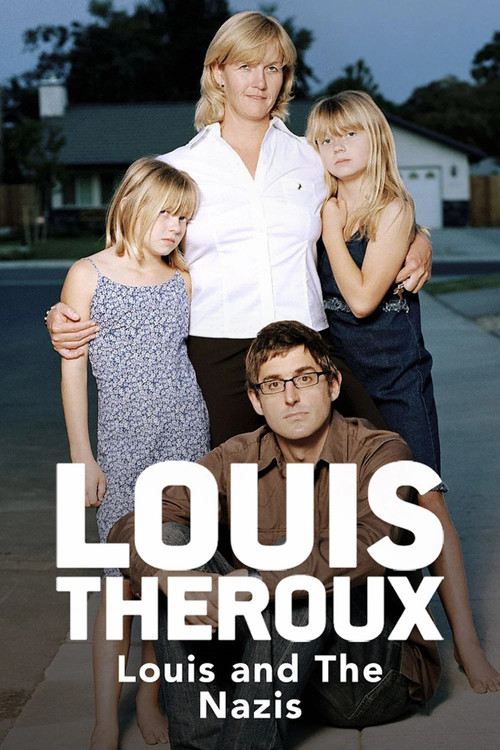 Movie
Movie2003
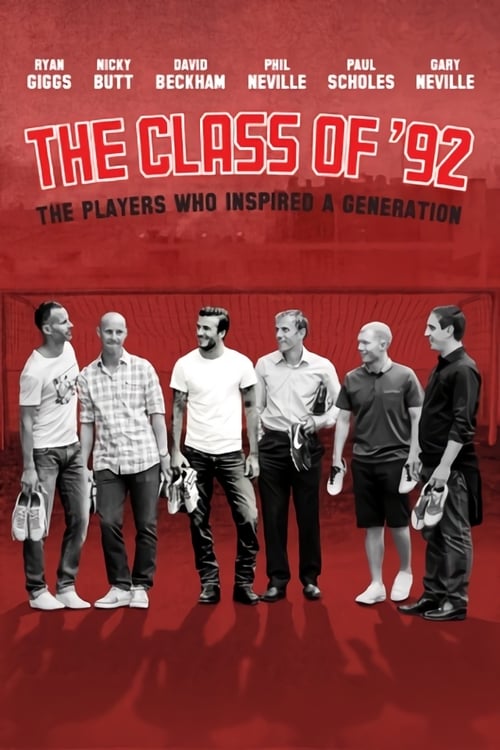 Movie
Movie2013
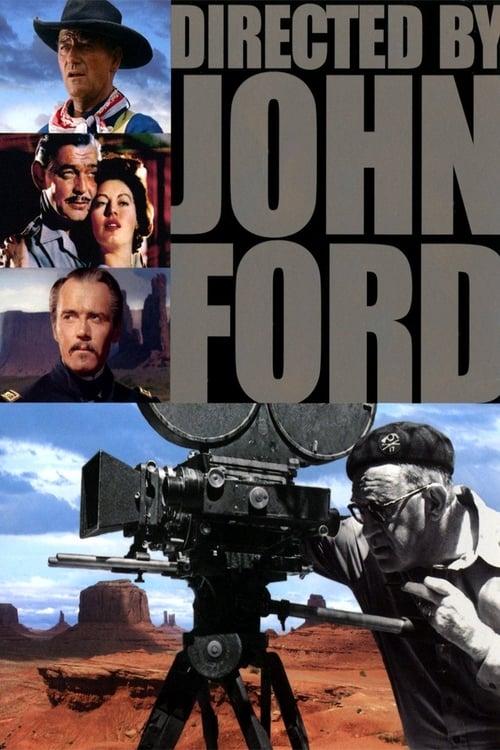 Movie
Movie1971
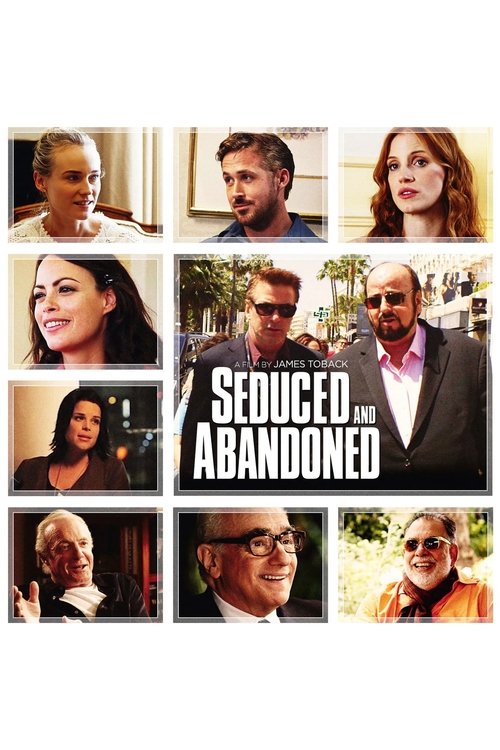 Movie
Movie2013
 Movie
Movie2011