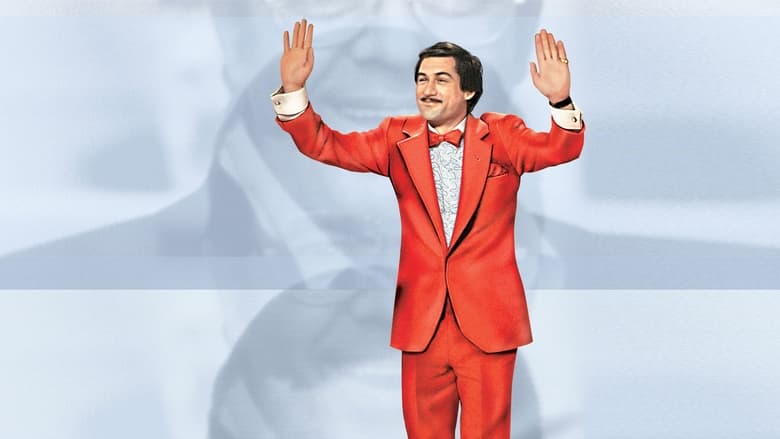
1 / 8
MONEY
Did you know
Earned back only 13% of its budget on initial theatrical — a commercial disappointment on release.
MoodPlayr · trivia#01
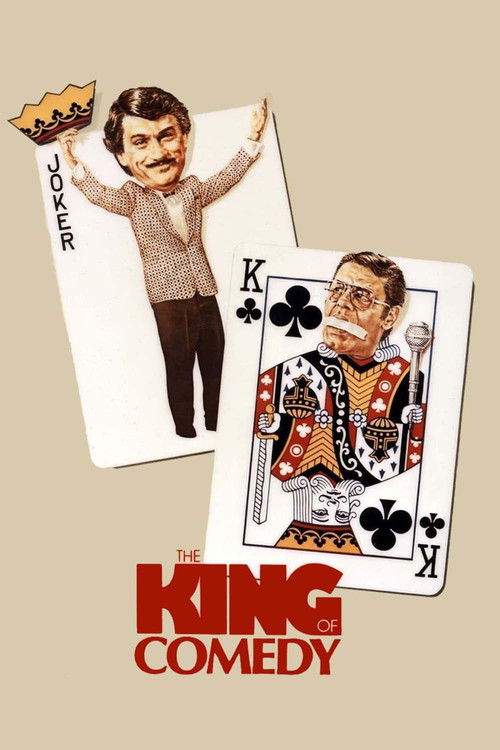
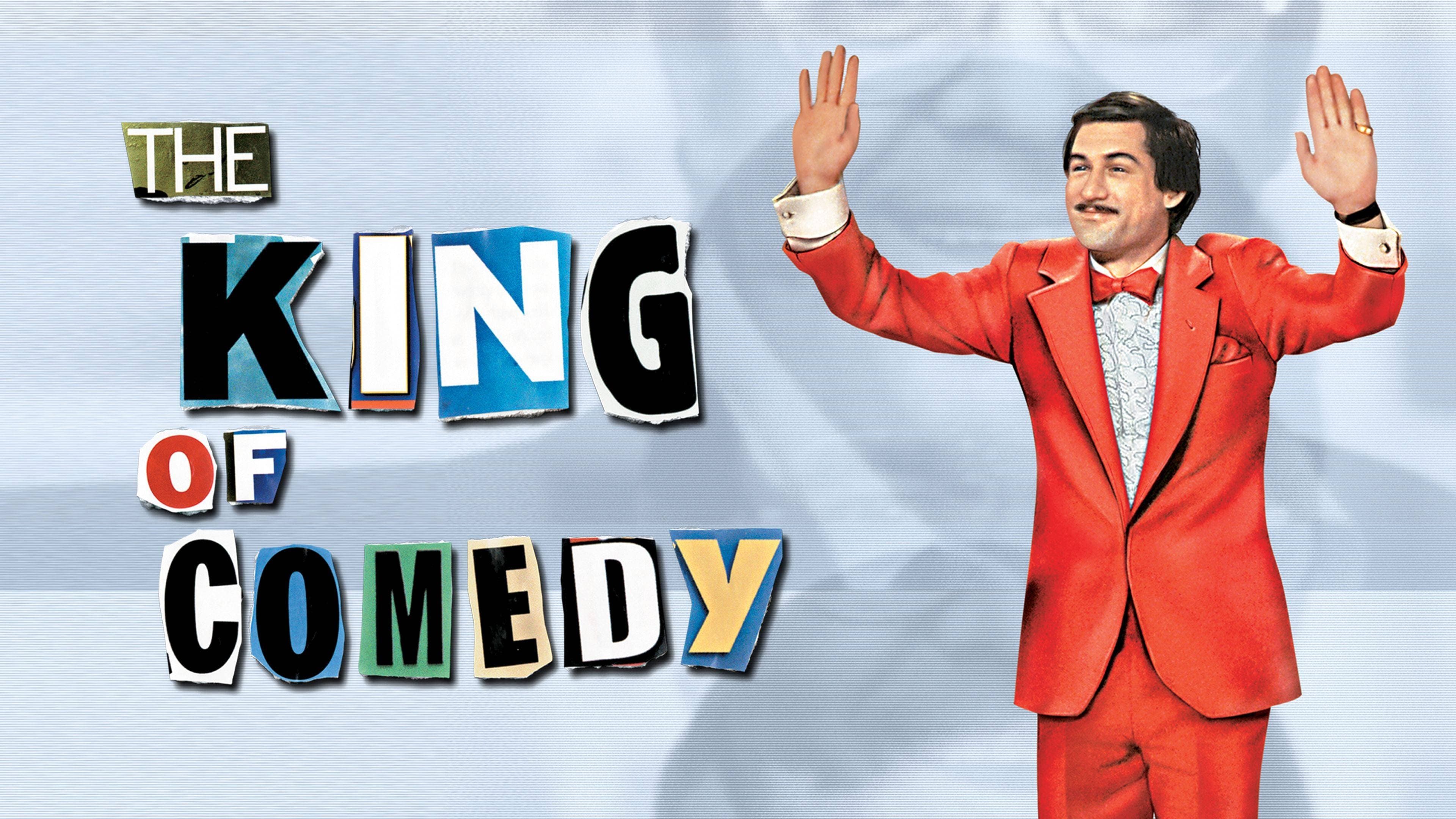
"It's no laughing matter."
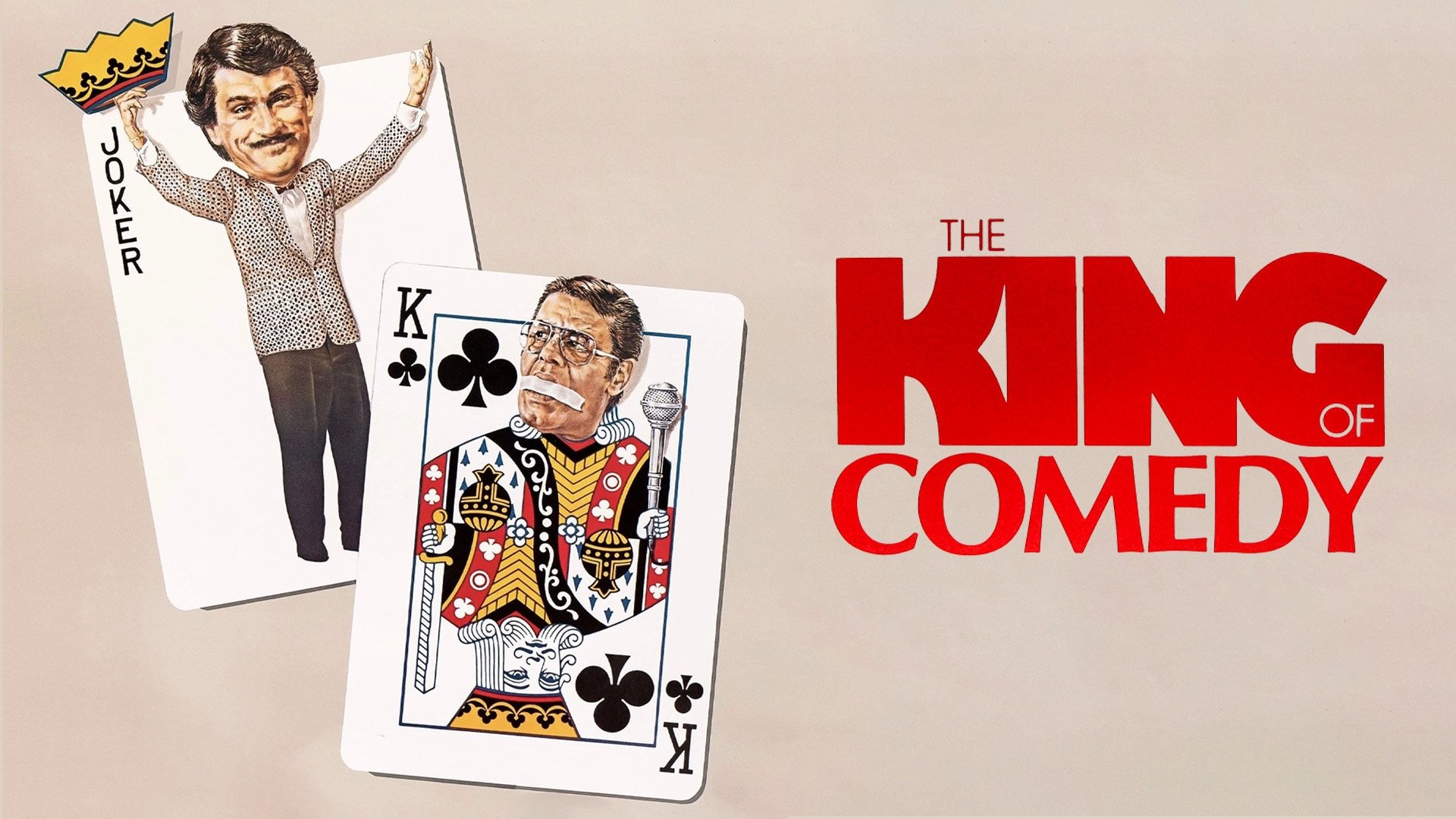
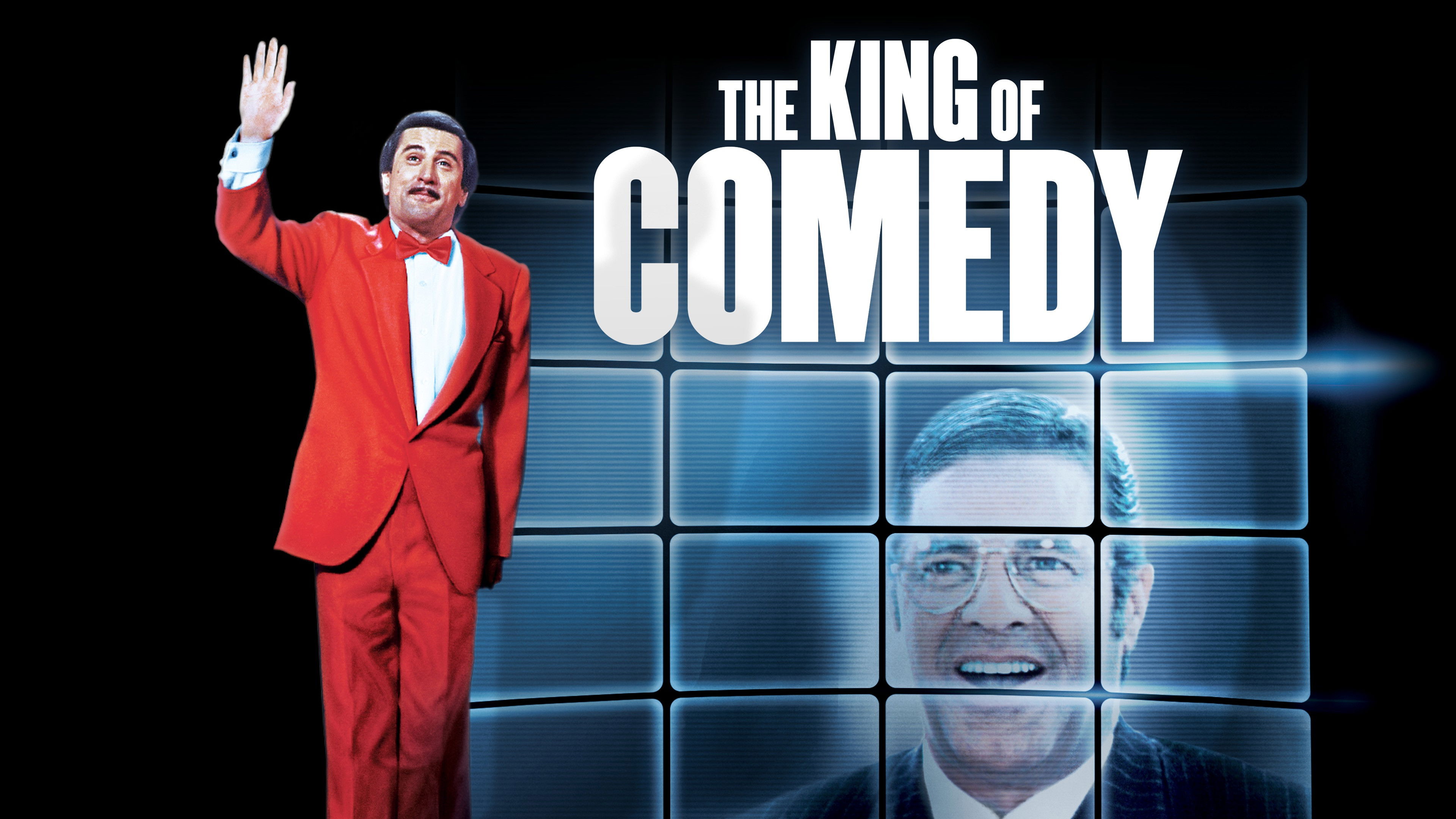
Aspiring comic Rupert Pupkin attempts to achieve success in show business by stalking his idol, a late night talk-show host who craves his own privacy.
“It's no laughing matter.”

Robert De Niro
Rupert Pupkin
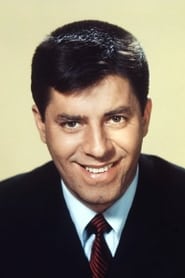
Jerry Lewis
Jerry Langford

Diahnne Abbott
Rita

Sandra Bernhard
Masha

Shelley Hack
Cathy Long
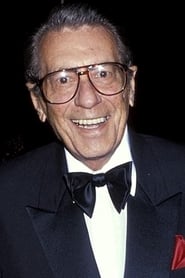
Frederick de Cordova
Bert Thomas

Ed Herlihy
Ed Herlihy
Lou Brown
Band Leader
Credits
Want more? Switch to Cinephile mode in the header for DP, composer, budget, box office, production companies, keywords, and release history.
Did you know?
Did you know
Earned back only 13% of its budget on initial theatrical — a commercial disappointment on release.
Did you know
44 years old — old enough to be someone's favourite childhood film.
Did you know
Directed by Martin Scorsese, shot by Fred Schuler. Note their partnership — DPs and directors often return to each other across a career.
Did you know
Original score by Robbie Robertson. Worth a dedicated listen after — most great films lose half their impact without the score.
Did you know
Editor Thelma Schoonmaker shaped the rhythm. On an edit-heavy film, the editor does more to control your pulse than the director.
Did you know
Robert De Niro and Jerry Lewis and Diahnne Abbott carry the top of the cast.
Did you know
Marketing tagline: "It's no laughing matter.".
Did you know
IMDB entry: tt0085794 — still the authoritative cross-reference for credits and trivia.
Cinephile deep dive
Martin Scorsese directs. Fred Schuler behind the camera. Robbie Robertson scores. Thelma Schoonmaker cuts. A commercial under-performer on release. Produced in United States of America. Dialogue in English.
Trivia
Awards
Individual records documented via Wikidata; the summary above may count more.
Also by
Stills · wallpapers
Full-resolution frames — open one to save it as a wallpaper.
Trailers & featurettes
Community reviews
De Niro as yet another deluded psycho De Niro is Rupert Pitkin, a comedian who seeks to be as famous as his hero, Jerry Lewis. Pupkin could be Travis Bickle's equally disturbed brother - both of them living in New York and both of them losing their minds in unison. After much rejection, the crazed Pupkin decides to kidnap his hero and hold him for ransom until a studio gives him a big break. Jerry Lewis is impressive as the total bastard that Pupkin so admires. A disturbing movie that is more relevant nowadays than ever since the advent of the Big Brother tv show which places national attention on people with no talent. - Ian Beale
Martin Scorsese's THE KING OF COMEDY was the lowest-grossing major studio film of 1982. It isn't difficult to see why: It's loaded with uncomfortable situations; there is no obvious protagonist; no sympathetic characters (the one that could potentially get our sympathy turns out to be a thief); and everyone is grating and/or unpleasant (even Tony Randall plays 𝙝𝙞𝙢𝙨𝙚𝙡𝙛 as a demanding prick). This lack of popularity was the audience's loss, as Paul Zimmerman graced Scorsese with a screenplay which was just as prescient on the topic of fame as Paddy Chayefsky's NETWORK (1976) was on the future of television. In a day and age where television reality shows and online video platforms allow talent-bereft fame-seekers to offer their wares to an anesthetized public, De Niro's Rupert Pupkin displays an uncanny ambition just by leaving his mother's basement, much less his willingness to use crime as a means to his end.
Robert De Niro is great in this enjoyable comedy about the aspiring comedian "Pupkin" who is prepared to go to great lengths to get his moment in the sun. To that end he doorsteps acclaimed chat-show host "Jerry" (the entirely convincing Jerry Lewis) and, not exactly lacking in self-confidence, convinces him to listen to his material. Anything for a peaceable life thinks the star and agrees clearly just to be rid of the man. "Pupkin", though, isn't so easily deterred and what ensues now are a rather darkly comedic series of escapades as the little man determines to get that spotlight - even if he has to turn to lying, housebreaking - even kidnapping. The writing here is taut and entertaining; the characters - especially that of the rather pompous "Jerry" are well crafted by the actors who really seem to be enjoying their roles. Martin Scorsese manages to skilfully keep this on the right side of what could easily have become far-fetched farce. It's the ultimate speculate to accumulate film poking fun at the whole television "opportunity" system, and with the odd sight of an almost unrecognisable Ed Herlihy it all adds up to a fun film to watch and I challenge anyone not have a laugh here.
Production companies
Embassy International Pictures
US
Themes & keywords
Release history · US
Also known as