

1 / 8
ERA
Did you know
86 years old — a genuine piece of film history.
MoodPlayr · trivia#01
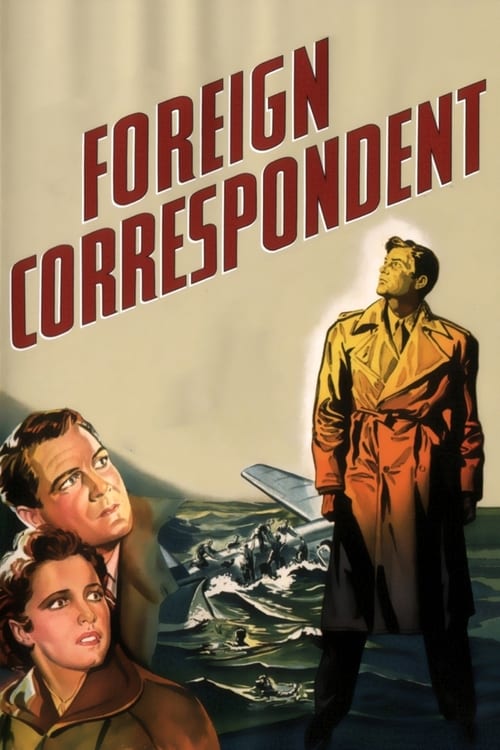
"The thrill spectacle of the year!"
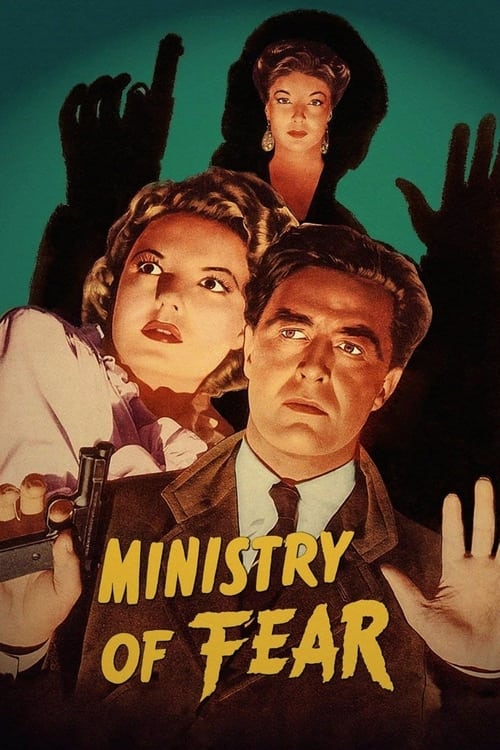
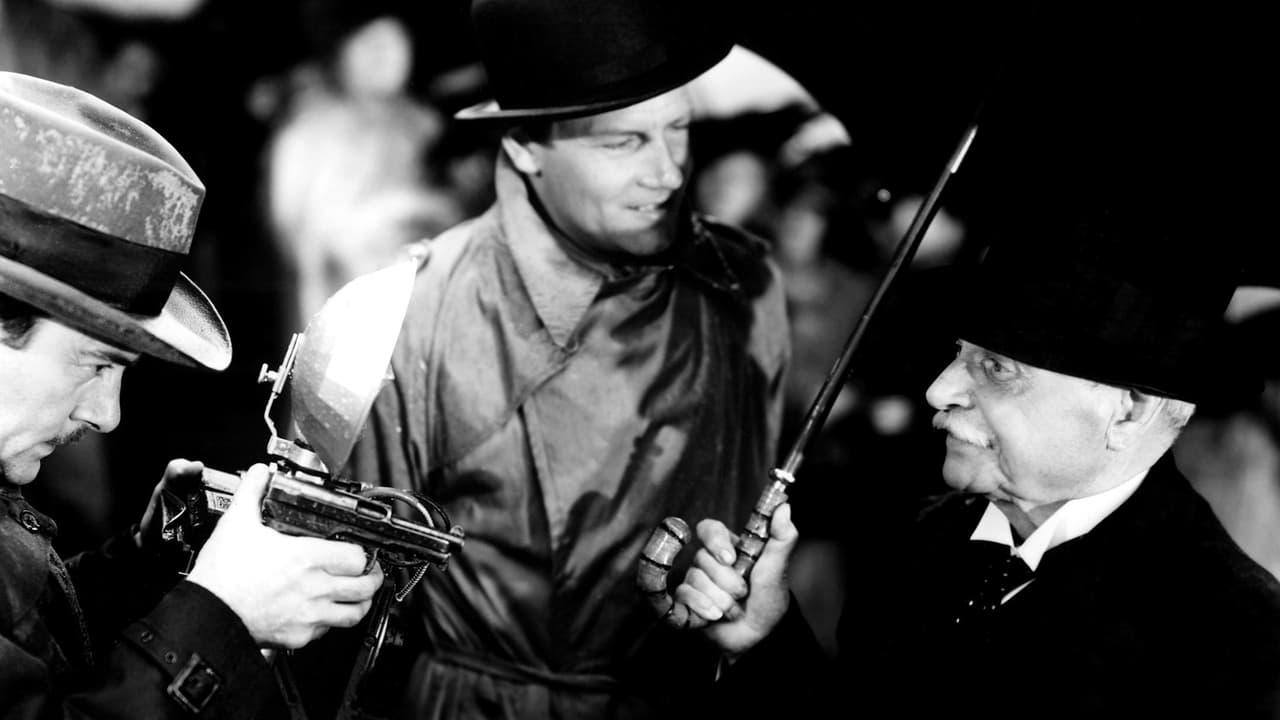
American crime reporter John Jones is reassigned to Europe as a foreign correspondent to cover the imminent war. When he walks into the middle of an assassination and stumbles on a spy ring, he seeks help from a beautiful politician’s daughter and an urbane English journalist to uncover the truth.
“The thrill spectacle of the year!”
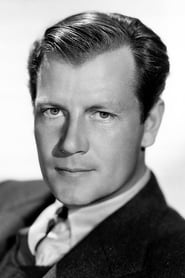
Joel McCrea
John Jones
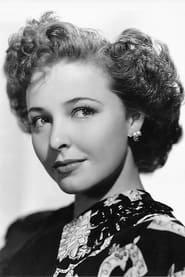
Laraine Day
Carol Fisher
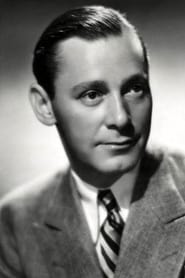
Herbert Marshall
Stephen Fisher
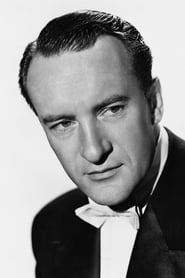
George Sanders
Scott ffolliott
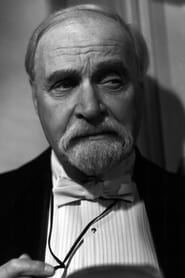
Albert Bassermann
Van Meer
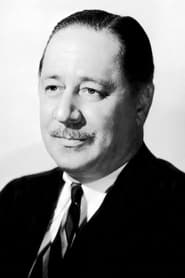
Robert Benchley
Stebbins

Edmund Gwenn
Rowley
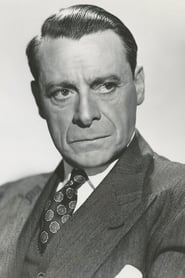
Eduardo Ciannelli
Mr. Krug
Credits
Want more? Switch to Cinephile mode in the header for DP, composer, budget, box office, production companies, keywords, and release history.
Did you know?
Did you know
86 years old — a genuine piece of film history.
Did you know
Dialogue crosses 5 languages: English, Italian, Latvian, German, French.
Did you know
Directed by Alfred Hitchcock, shot by Rudolph Maté. Note their partnership — DPs and directors often return to each other across a career.
Did you know
Original score by Alfred Newman. Worth a dedicated listen after — most great films lose half their impact without the score.
Did you know
Editor Dorothy Spencer shaped the rhythm. On an edit-heavy film, the editor does more to control your pulse than the director.
Did you know
Joel McCrea and Laraine Day and Herbert Marshall carry the top of the cast.
Did you know
Marketing tagline: "The thrill spectacle of the year!".
Did you know
IMDB entry: tt0032484 — still the authoritative cross-reference for credits and trivia.
Cinephile deep dive
Alfred Hitchcock directs. Rudolph Maté behind the camera. Alfred Newman scores. Dorothy Spencer cuts. Produced in United States of America. Dialogue in English, Italian, Latvian, German, French.
Trivia
Awards
Individual records documented via Wikidata; the summary above may count more.
Also by
Trailers & featurettes
Community reviews
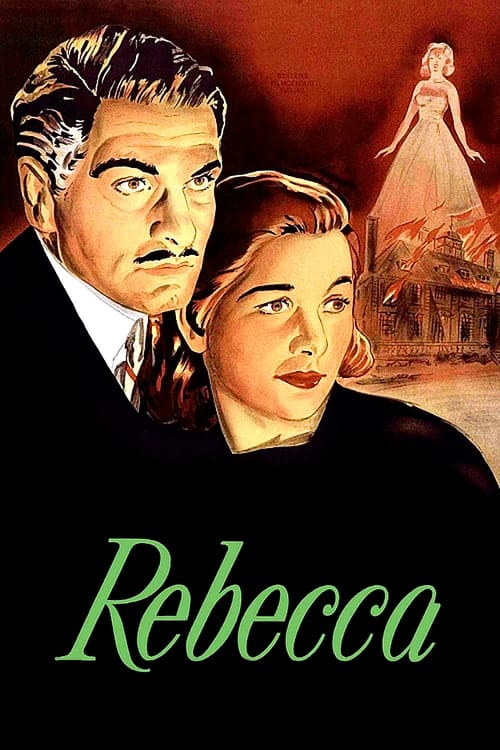
If you enjoy this review, please check out my blog, Old Hat Cinema, at https://oldhatcinema.medium.com/ for more reviews and other cool content. Alfred Hitchcock’s second American picture, Foreign Correspondent (1940), has quite literally everything you could ask for in a great movie. To categorize it, one might say it’s an espionage thriller. But really, that covers merely the basics of what the film is all about. It’s got suspense, adventure, romance, humor, heroics, and a cast that couldn’t be improved upon if you tried! In contrast, Hitchcock’s first American picture was the well-done, if somewhat plodding, Gothic thriller Rebecca. While Rebecca is still an excellent film in its own right, boasting the talents of Laurence Olivier, Joan Fontaine, and others, it isn’t nearly as exciting or action-packed. Foreign Correspondent is the more important of Hitchcock’s films, made at the start of WWII, and a clear call for American entry into the war at that time. Rebecca may have won the Academy Award for Best Picture of 1940, but Foreign Correspondent was the more deserving film. It’s 1939, and Europe is on the brink of war. An American reporter named Johnny Jones is sent to England as foreign correspondent for the New York paper he works for. He takes on the pseudonym Huntley Haverstock and is soon investigating the ostensible assassination of an important diplomat, uncovering a Nazi spy ring in the process. Heading the cast are Joel McCrea and Laraine Day, two fine actors who are highly underrated today. The two of them maintain a good chemistry as the film progresses, and the supporting players are equally accomplished. George Sanders, that “dreadful man,” plays a wisecracking freelancer named Scott ffolliott, and gives a remarkable performance. Robert Benchley, as McCrea’s fellow foreign correspondent Stebbins, co-wrote the script, and is said to have written much of his own dialogue. There’s also Edmund Gwenn, cast against type as an affable Cockney hit man, and he makes the most of his short, but nonetheless important, role. And, in his second film with Hitchcock, we have Herbert Marshall, in a truly great performance. I’ll have to leave it at that — because given half a chance, I could rattle on about the dear old chap for hours. There are so many superbly crafted sequences in the movie, but I’ll mention just a few here. There’s the “umbrella scene,” where McCrea chases an assassin through a crowd of bystanders, getting lost amid the dozens of umbrellas. The windmill sequence, in which McCrea and his sidekicks find themselves alone in an open field, windmills softly turning with the breeze … or against the breeze, in the case of one such suspicious grinding mill, is marvelously shot. To add to the sense of urgency and danger, a single plane flies overhead. When McCrea sends Day and Sanders to fetch the police and enters the windmill himself, it’s one of the tensest parts of the film. Thirdly, when two men masquerading as police officers arrive at McCrea’s hotel room with malicious intent, he cleverly outwits them and escapes through the window, finding himself balanced precariously on a ledge far above the streets of London below … and dressed in his bathrobe. He proceeds to accidentally short circuit two of the letters in the hotel’s neon sign, reducing HOTEL EUROPE to HOT EUROPE, with a flourish that is purely Hitchcockian. There’s also one brief but precious scene which for the most part probably goes unnoticed by audiences. During the car chase where McCrea meets Sanders, the assassin’s car rips around a corner, almost hitting a poor old man trying to cross the street. He steps back onto the curb just in time, and as he tries to cross again, our heroes go flying by, narrowly missing the man as well. As he tries to cross for a third time, a whole squad of policemen on motorcycles tear down the street, and the man, thwarted yet again, escapes back to the safety of the curb, turns around, and goes back inside his house. To the average viewer, it’s just one fleeting moment in the midst of an exciting, high-speed chase, but to be frank, the sequence had me in stitches; a glorious example of comic relief. After a rollicking adventure across the continent of Europe, approaching two full delightful hours for the viewer, Foreign Correspondent reaches its climax in the form of a plane crash into the middle of the Atlantic Ocean … and one of the principal characters gives his life in a touching show of sacrifice. So do yourself a favor, if, like me, you are a lover of great cinema, and enter this Hitchcockian world. Good triumphs over evil, witty banter abounds, romance blossoms, villains are heroes, and adventure awaits!
Alfred Hitchcock presides over quite a fast paced jigsaw-puzzle of a film with this gripping WII espionage thriller. Joel McCrae is the American reporter "John Jones" who is despatched by his editor to get decent news coverage of what's going on in war-threatened Europe. No sooner has he landed than he becomes embroiled in the affairs of the mysterious "Peace Party" leader "Van Meer" (Albert Bassermann) who may (or may not) have been gunned down and who may (or may not) have been party to a treaty that could change or even avert the course of war. Together with fellow journo George Sanders ("ffolliot") they become more deeply involved in this complex and intriguing mystery having to avoid just about everyone as they struggle to get to the truth. Herbert Marshall "Fisher" and his daughter "Carol" (Laraine Day) complete the quintet of principal characters ably as the whole story twists and turns in a structured and enthralling manner. There are red herrings, but they are not wasted - there is a thread to the story that ties them all together quite neatly as we begin to get to grips with who is to be relied upon - and who is not! The writing is not the most potent - too many contributors seem to lead, on occasion, to a battle of wordiness that I found just a little distracting; but Hitch is on form and there are plenty of tense scenarios to keep us all interested. Good stuff!
Production companies
Walter Wanger Productions
US
Themes & keywords
Release history · US
Also known as