1 / 8
MONEY
Did you know
Shot for just $0.0M — micro-budget by Hollywood standards.
MoodPlayr · trivia#01

"hum honge kamyab ek din"
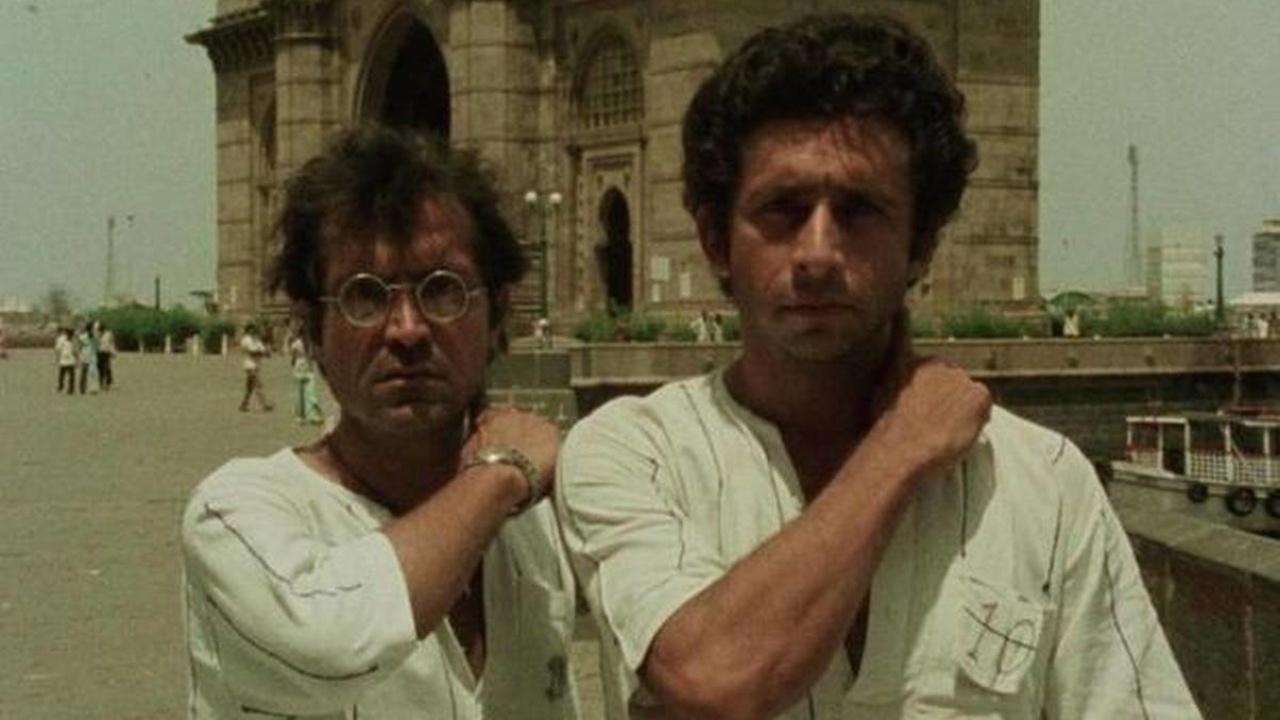
Two zanies open a photography studio. They score a partnership with a gossip magazine that suddenly thrusts them into a world of corruption, murder, and hijinks.
“hum honge kamyab ek din”

Naseeruddin Shah
Vinod Chopra

Ravi Baswani
Sudhir Mishra
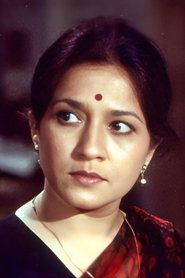
Bhakti Barve
Shobha Sen
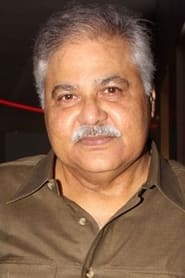
Satish Shah
D'Mello
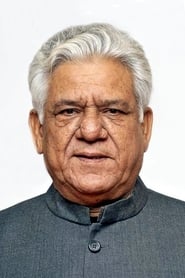
Om Puri
Ahuja

Satish Kaushik
Ashok Nambudaripad

Pankaj Kapur
Tarneja

Deepak Qazir
Commissioner Shrivastav
Credits
Want more? Switch to Cinephile mode in the header for DP, composer, budget, box office, production companies, keywords, and release history.
Did you know?
Did you know
Shot for just $0.0M — micro-budget by Hollywood standards.
Did you know
43 years old — old enough to be someone's favourite childhood film.
Did you know
Directed by Kundan Shah, shot by Binod Pradhan. Note their partnership — DPs and directors often return to each other across a career.
Did you know
Original score by Vanraj Bhatia. Worth a dedicated listen after — most great films lose half their impact without the score.
Did you know
Editor Renu Saluja shaped the rhythm. On an edit-heavy film, the editor does more to control your pulse than the director.
Did you know
Naseeruddin Shah and Ravi Baswani and Bhakti Barve carry the top of the cast.
Did you know
Marketing tagline: "hum honge kamyab ek din".
Did you know
IMDB entry: tt0085743 — still the authoritative cross-reference for credits and trivia.
Cinephile deep dive
Kundan Shah directs. Binod Pradhan behind the camera. Vanraj Bhatia scores. Renu Saluja cuts. Produced in India. Dialogue in Hindi.
Trivia
Also by
Community reviews
Film Title: Jaane Bhi Do Yaaro (1983) Director: Kundan Shah (The Slapstick Populist) Core Performance Metrics: Om Puri (Clumsy Punjabi Caricature), Naseeruddin Shah (Slightly Restrained) Thematic Axis: The Misguided Satire / Overwritten Cacophony Visual / Structural Trait Markers: On-Location Bombay Screaming, The Blasphemous Ramayana Stage Play, Broken Bridge Corruption Plot Review by Dr Usman Latif Khawaja Kundan Shah’s Jaane Bhi Do Yaaro (1983) stands as an infernal punishment rather than cinematic art—a loud, frantic, and excruciating 140-minute headache that masquerades as sophisticated dark comedy while delivering nothing but low-tier, clumsy slapstick caricature. While mainstream Indian critics and academic sycophants blindly celebrate this text as a satirical milestone, an uncompromised structural autopsy reveals it to be a total disaster. It is a movie designed for fans of pure comic circus and toilet humour alone, completely devoid of the class, sophistication, and psychological restraint that define genuine masterpieces of the genre. The film’s greatest structural crime is its absolute, aggressive refusal to allow for a single moment of silent perception. It behaves like a monstrous charade where the dialogue is overwritten, clumsy, and perpetually thrown loudly in your face. If everyone on screen simply stopped yelling for a single minute, the experience might be tolerated, but instead, Shah unleashes an unrelenting cacophony of clownish characters running around the streets of on-location Bombay, entirely wrecking the basic language of cinema. The Clownish Defilement of Acting Royalty The narrative engine is driven by a series of outrageously ludicrous overacting displays that make one wonder if a film editor even existed in the production pipeline. The most painful casualty of this approach is Om Puri, who delivers what is easily the absolute worst performance of his career. He reduces a Punjabi-accented corrupt contractor into a clumsy, amateurish clown, engaging in a bizarre, superficial seduction of an Anglo-Indian woman who mutters a terrible cocktail of Hindi and English while offering Swiss cakes. Naseeruddin Shah, portraying one of the honest partner photographers running a failing studio, fares slightly better only because he is granted a microscopic shred of restraint. The characters operate from a base motive of trying to seduce women into posing for their cameras, a sexual circus that shifts without internal logic into a crime chronicle. The line between these genres is completely eviscerated, transforming the film into a desperate, messy mock-cocktail of press reporters, the underworld, and government mafia elements. The Plagiarism of the Masters Kundan Shah clearly dreams of replicating the witty, lightning-fast pacing of Howard Hawks’ Bringing Up Baby (1938) or the black-humoured political genius of Stanley Kubrick’s Dr. Strangelove (1964), but he lacks the talented studio stars, production values, and intellectual depth to execute the framework. It attempts to mimic the light, organic Bombay charm of Basu Chatterjee’s Baton Baton Mein (1979), yet it fails to achieve even a fraction of that film’s elegant realism. The Derivative Script: The text borrows heavily from Raj Kapoor and Rajendra Nath’s 1975 comedy Do Jasoos, while lazily copying the whodunnit blueprints of 1960s noirs like Gumnaam and the genuine dark comedy benchmark of Padosan (1968), both of which are vastly superior. The Blasphemous Climax: The structural degradation reaches its absolute peak during the notorious, chaotic stage play finale. Shah throws a drag act disguised in Muslim burqas into a frantic melting pot where the sacred texts of the Ramayana and K. Asif’s monumental Mughal-e-Azam (1960) are callously mixed together for cheap, slapstick laughs. Standing inside this circus, one can only ask God to bless Billy Wilder and Kamal Amrohi, whose monumental cinematic ghosts continue to influence the medium from their graves, casting a long, dignified shadow over this modern caricature. The Mutilated Message The underlying thematic backbone concerns a defective, broken bridge constructed by a corrupt contractor mafia who resort to political murder to cover up their financial crimes. The script attempts to show how the honest photographers trying to expose this systemic rot are inevitably blamed, as the compromised press, police, and ministers form a corporate alliance to preserve their own material interests. While the message that India is deeply and structurally corrupt is entirely valid, encapsulating that socio-political reality inside a hyperactive, screaming carnival of slapstick is an aesthetic failure. It replaces the deep, internalised gravity of real socio-political critique with cheap, superficial tricks. It remains an exhausting, dreadful experience to witness—a film that proves that when a director substitutes shouting for genuine artistic vision, cinema descends directly into an empty, clownish gutter.
Production companies

National Film Development Corporation of India
IN
Themes & keywords
Release history · US
Also known as
 Movie
Movie2000
 Movie
Movie1941
 Movie
Movie1947
 Movie
Movie1977
 Movie
Movie2001
 Movie
Movie1976
 Movie
Movie2013
 Movie
Movie2013
 Movie
Movie1969
 Movie
Movie1939