

1 / 8
MONEY
Did you know
$100M budget — tentpole studio territory.
MoodPlayr · trivia#01
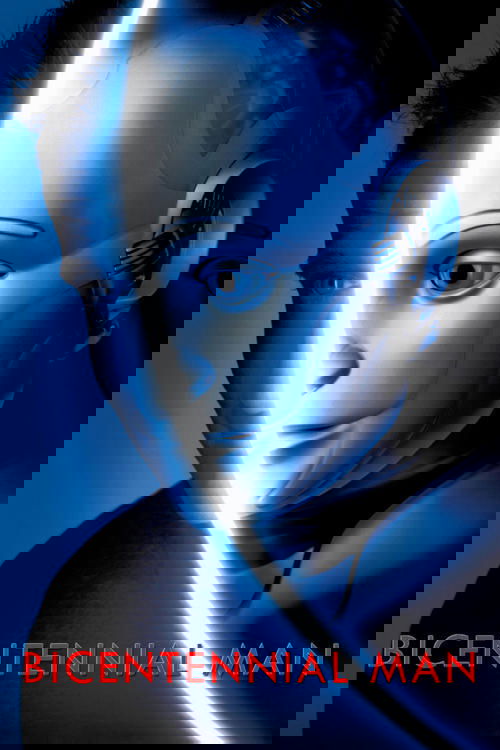
"One robot's 200 year journey to become an ordinary man."
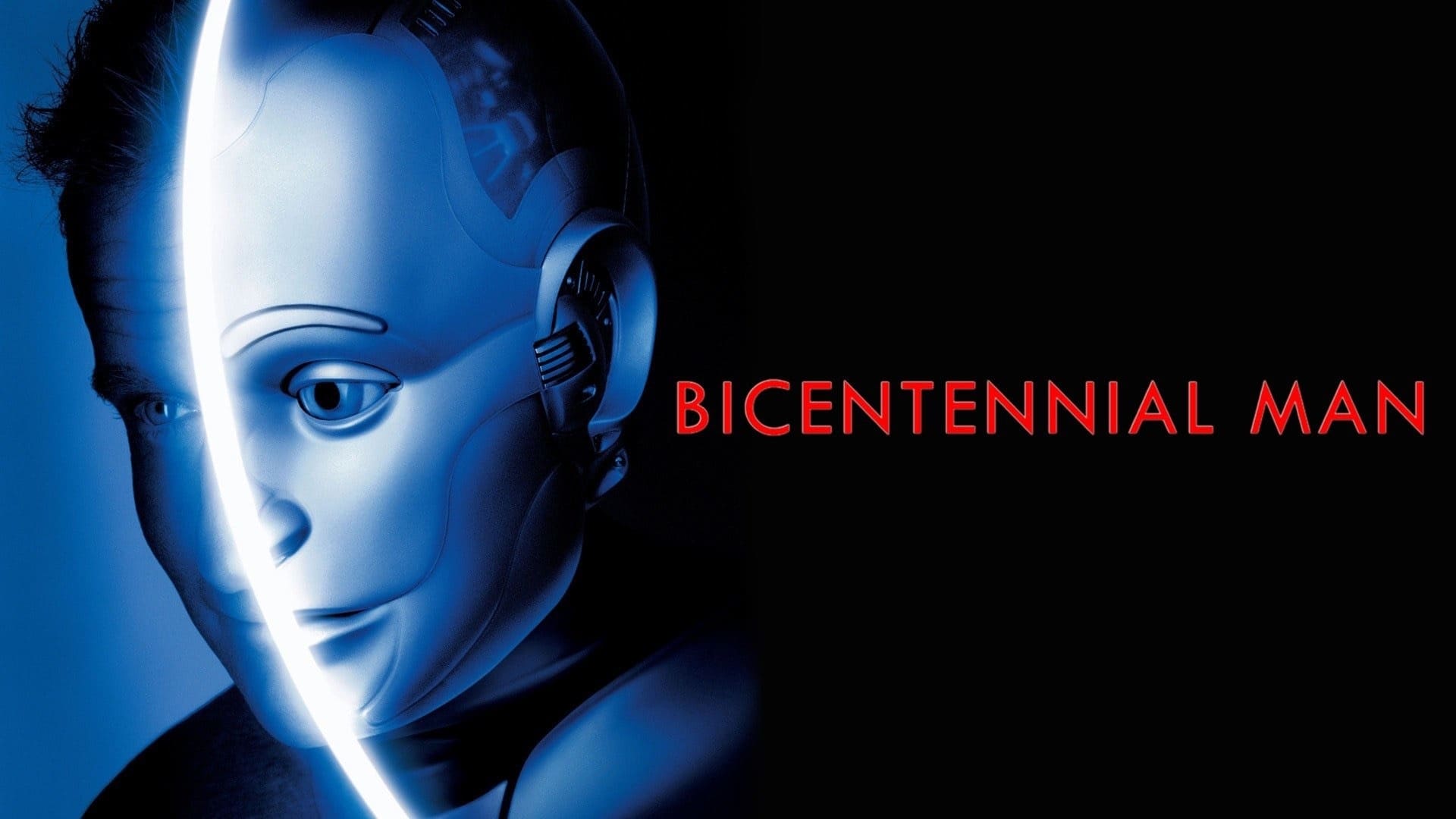
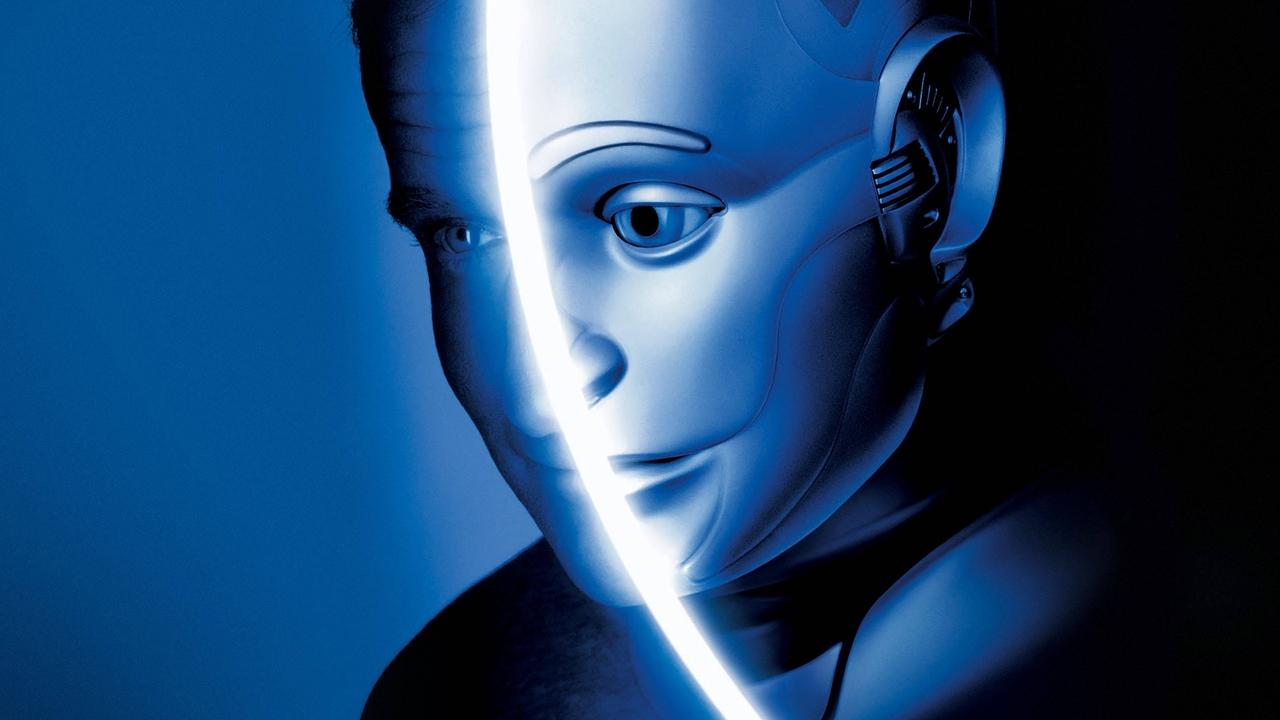
Richard Martin buys a gift, a new NDR-114 robot. The product is named Andrew by the youngest of the family's children. "Bicentennial Man" follows the life and times of Andrew, a robot purchased as a household appliance programmed to perform menial tasks. As Andrew begins to experience emotions and creative thought, the Martin family soon discovers they don't have an ordinary robot.
“One robot's 200 year journey to become an ordinary man.”
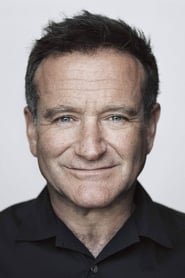
Robin Williams
Andrew

Embeth Davidtz
Little Miss / Portia
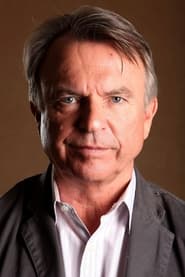
Sam Neill
Sir

Oliver Platt
Rupert Burns

Kiersten Warren
Galatea Robotic / Human
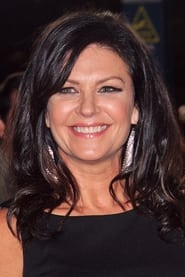
Wendy Crewson
Ma'am

Hallie Eisenberg
Little Miss 7 yrs. old
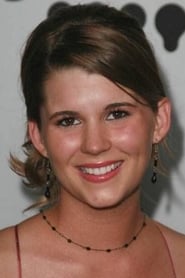
Lindze Letherman
Miss 9 yrs. old
Credits
Want more? Switch to Cinephile mode in the header for DP, composer, budget, box office, production companies, keywords, and release history.
Did you know?
Did you know
$100M budget — tentpole studio territory.
Did you know
Earned back only 87% of its budget on initial theatrical — a commercial disappointment on release.
Did you know
27 years old — old enough to be someone's favourite childhood film.
Did you know
International production across 2 countries: Germany, United States of America.
Did you know
Directed by Chris Columbus, shot by Phil Meheux. Note their partnership — DPs and directors often return to each other across a career.
Did you know
Original score by James Horner. Worth a dedicated listen after — most great films lose half their impact without the score.
Did you know
Editor Neil Travis shaped the rhythm. On an edit-heavy film, the editor does more to control your pulse than the director.
Did you know
Robin Williams and Embeth Davidtz and Sam Neill carry the top of the cast.
Cinephile deep dive
Chris Columbus directs. Phil Meheux behind the camera. James Horner scores. Neil Travis cuts. A commercial under-performer on release. Produced in Germany, United States of America. Dialogue in English.
Trivia
Also by
Stills · wallpapers
Full-resolution frames — open one to save it as a wallpaper.
Trailers & featurettes
Community reviews
It's a bit of a linguistic faux-pas that gives their new android the name "Andrew" (Robin Williams) after it arrives at the home of "Sir" (Sam Neill), his wife (Wendy Crewson) and their two daughters. The younger of those is a little more engaged with this butler-cum-housekeeper but her sibling thinks it belongs on a scrapheap - sometimes with quite humorous results. As the family start to get used to their new gadget, though, they experience some surprising changes in attitudes and questions are raised about just what constitutes "humanity". He is sympathetic, creative, empathetic and those characteristics aren't wasted on the mother in whom he confides his desire for freedom. Isn't he happy? Why does he want to leave? Well "Sir" takes a bit of umbridge at this request but grants it - and so "Andrew" finds himself free to live his life as he sees fit whilst still remaining in contact with a family who are no less divided about him and his role than they were a generation (or two) ago. Meantime, he embarks on a quest to track down the other robots of his generation and that introduces him to scientist "Rupert" (Oliver Platt) who suggests that there are ways of changing his appearance to present an altogether more human appearance. This unnerves those of his human family but enables him to re-engage with the sceptical "Portia" (Embeth Davidtz) and so take his journey onto an whole new and emotional level. Williams always was good at crafting a character that could bring a tear from a glass eye, and aided by a solid Isaac Asimov story and a typically orchestral score from James Horner he manages to create a character in whom we could invest a little. Of course, some of it is just plain daft and as "Andrew" hits his bicentennial the societal environment in which he lives did seem totally unrealistic, but by that point it had stopped being a sci-fi story and become something more of a romance that I struggled a bit to believe in. It's essentially a story of evolution - human and technological, and it's also one that sets out clearly the potential for artificial intelligence to acquire the need for love and for the ability to give it too.
Production companies

Columbia Pictures
US

Touchstone Pictures
US

1492 Pictures
US
Laurence Mark Productions
US
Radiant Productions
US
Themes & keywords
Release history · US
Also known as