

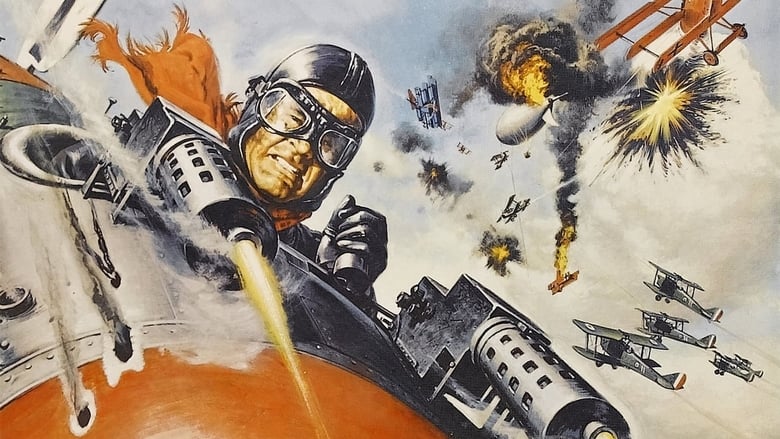
1 / 8
RUNTIME
Did you know
Clocks in at 156 minutes — on the longer side of feature-length cinema.
MoodPlayr · trivia#01
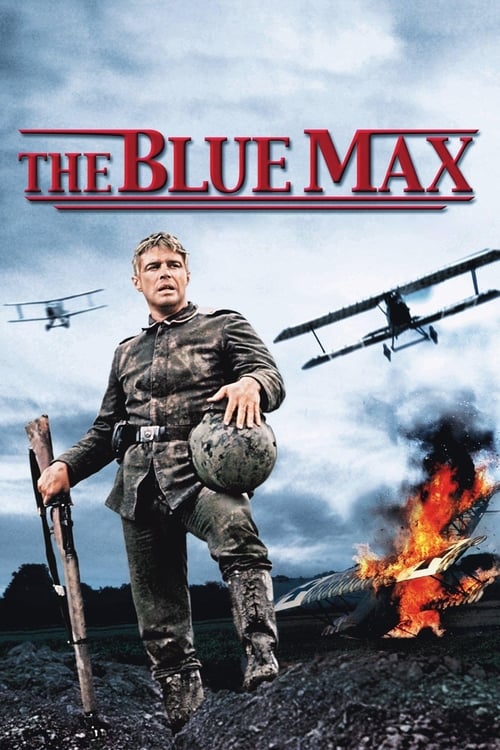
"There was no quiet on the Western Front!"
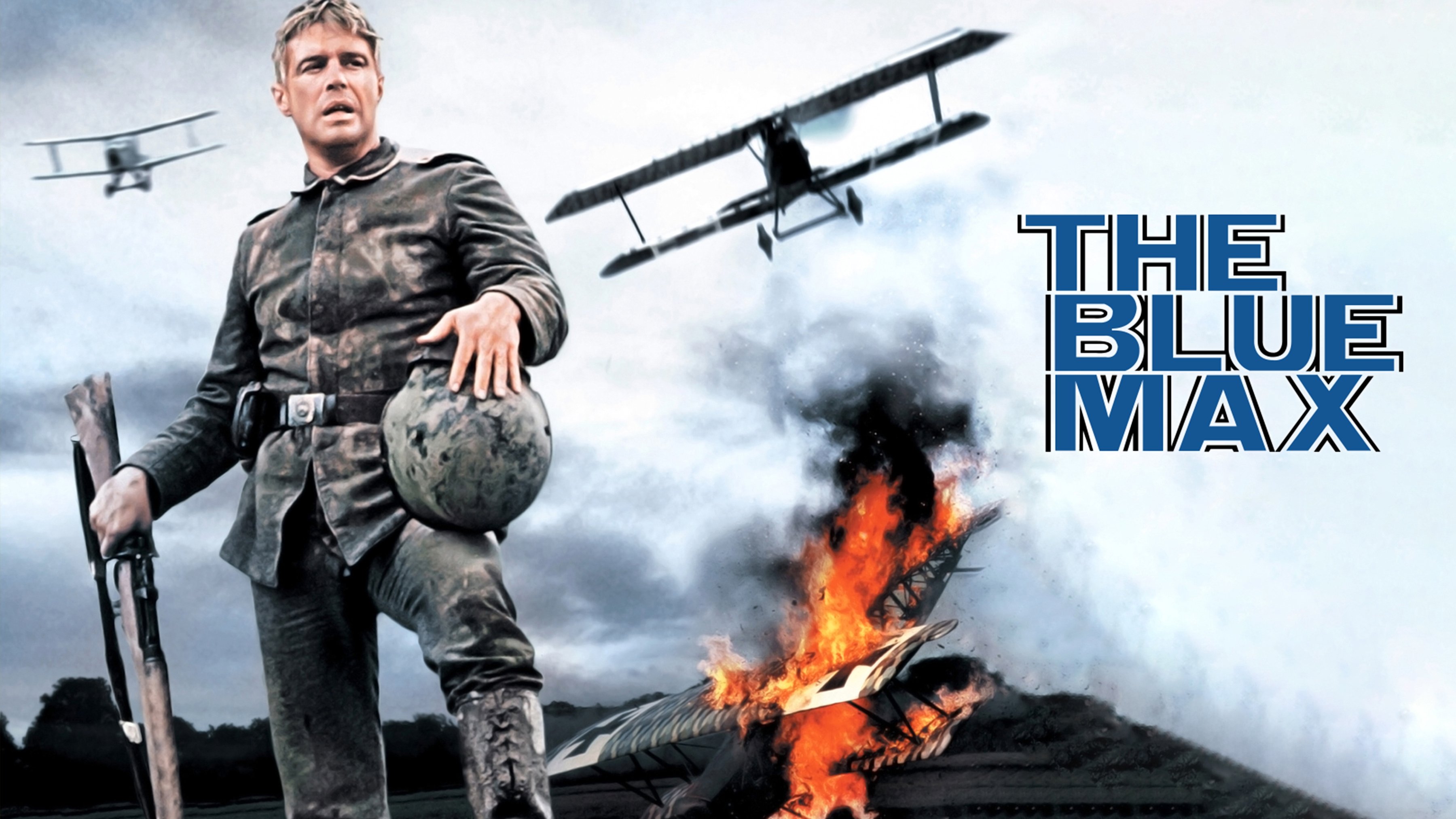
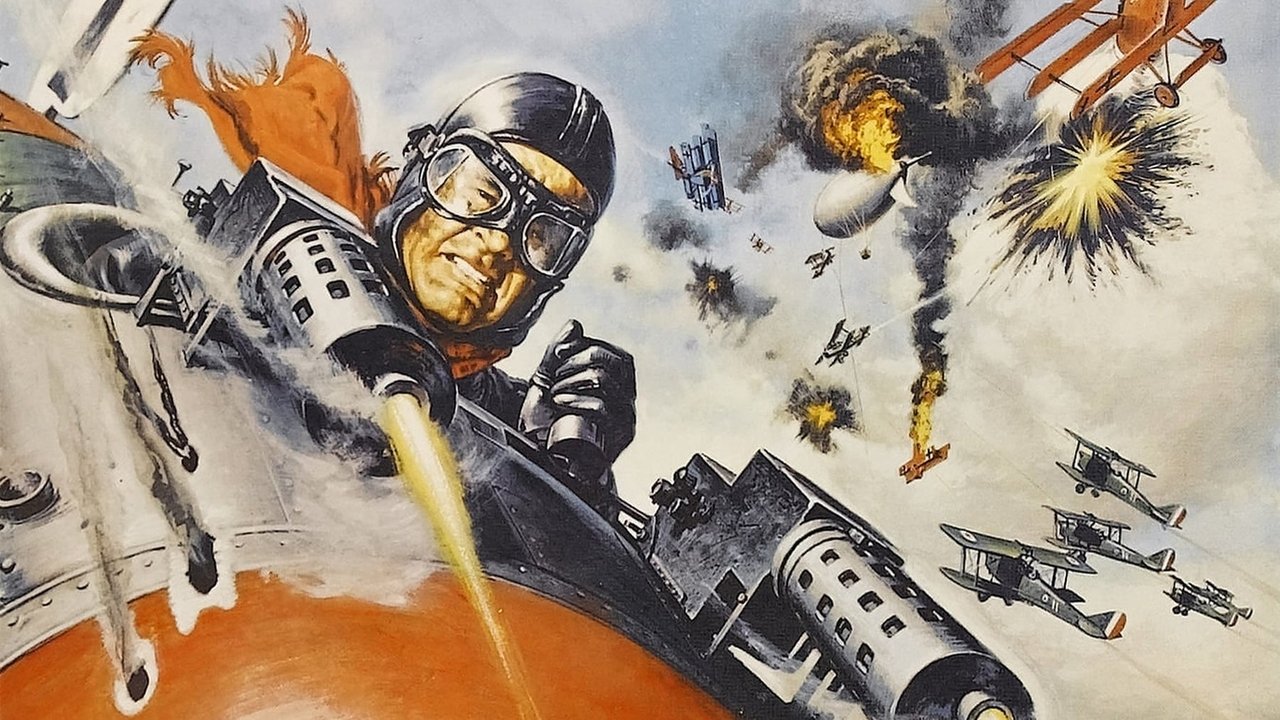
A young pilot in the German air force of 1918, disliked as lower-class and unchivalrous, tries ambitiously to earn the medal offered for 20 kills.
“There was no quiet on the Western Front!”
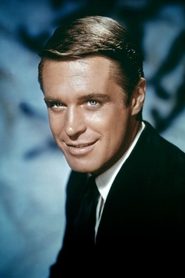
George Peppard
Lt. Bruno Stachel
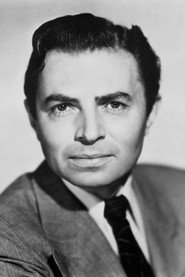
James Mason
General Count von Klugermann
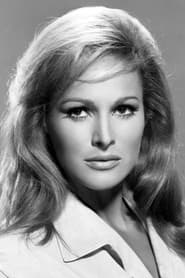
Ursula Andress
Countess Kaeti von Klugermann
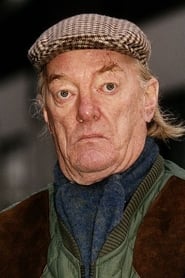
Jeremy Kemp
Willi von Klugermann

Karl Michael Vogler
Colonel Otto Heidemann
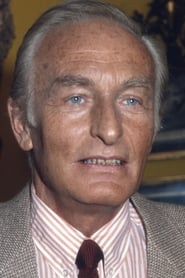
Anton Diffring
Holbach

Harry Townes
Kettering
Peter Woodthorpe
Rupp
Credits
Want more? Switch to Cinephile mode in the header for DP, composer, budget, box office, production companies, keywords, and release history.
Did you know?
Did you know
Clocks in at 156 minutes — on the longer side of feature-length cinema.
Did you know
60 years old — a genuine piece of film history.
Did you know
Directed by John Guillermin, shot by Douglas Slocombe. Note their partnership — DPs and directors often return to each other across a career.
Did you know
Original score by Jerry Goldsmith. Worth a dedicated listen after — most great films lose half their impact without the score.
Did you know
Editor Max Benedict shaped the rhythm. On an edit-heavy film, the editor does more to control your pulse than the director.
Did you know
George Peppard and James Mason and Ursula Andress carry the top of the cast.
Did you know
Marketing tagline: "There was no quiet on the Western Front!".
Did you know
IMDB entry: tt0060177 — still the authoritative cross-reference for credits and trivia.
Cinephile deep dive
John Guillermin directs. Douglas Slocombe behind the camera. Jerry Goldsmith scores. Max Benedict cuts. Produced in United Kingdom. Dialogue in English.
Trivia
Also by
Stills · wallpapers
Full-resolution frames — open one to save it as a wallpaper.
Trailers & featurettes
Community reviews
World War I aerial combat from the German perspective During World War I a low-class German soldier, Bruno Stachel (George Peppard), transfers from the muddy trenches to the aristocratic air officer corps. Stachel becomes a bit of a fish out of water with his new higher class comrades-in-arms, but this doesn't bother him as Stachel is interested in only one thing: gunning down twenty enemy planes to get the coveted Blue Max, Germany's Medal of Honor. He's so driven that he'll do anything to achieve it, honorably or dishonorably. His success as a fighter pilot prompts a general in Berlin (James Mason) to use him as a propaganda tool, a hero from the lower class who’s "common as dirt." Critics complain that Stachel is unlikable and not a very good hero. It is true that he doesn't seem very friendly, but how friendly would you be with high-class "gentleman" after years of brutal trench warfare? It's also true that he's selfishly ambitious and rebels against the team spirit of the squadron, not to mention direct orders. In addition he's an alcoholic and an adulterer. But, as the General states, he's brave ruthless and driven – precisely what Germany needs at the critical juncture of the war in 1918. Stachel isn't a hero, he's an antihero. The story should simply be digested as is without looking for a hero. One of the best sequences takes place in the first half: Stachel justly feels he is robbed of a "kill" because the plane he shot down couldn't officially be confirmed (even after he forces a corporal to escort him around the rainy countryside for half a day to find the downed plane). Later, while escorting an enemy plane back to home base he shoots the plane down when a wounded tailgunner awakens and instinctively starts shooting. Stachel lands and runs over to the downed plane along with numerous other Germans; he cuts the emblem from the plane and bitterly throws it at the feet of his superiors, adamantly stating, "Confirmed." This is one of the most powerful scenes in cinematic history. The film is universally praised for its scenic and compelling air combat sequences, but some inexplicably criticize the drama on the ground. Personally, I find the ground story equally as interesting as the air fighting. Besides, how interesting is mindless non-stop action without the contrast of interesting character-defining drama? Other highlights include a brief appearance of the Red Baron, the ravishing Ursula Undress – I'm sorry, I mean Andress – as the general's adulterous wife and a superb score by Jerry Goldsmith. The cinematography and Irish locations are excellent. The overall vibe of the film is solemn, dark, dreary and wet; in other words, kind of depressing. But, then, World War I was no happy day at the beach. BOTTOM LINE: "The Blue Max" is a film of epic scope, a powerfully realistic portrayal of air combat during World War I. It also ranks with the greatest war films ever made. It may be from 1966 but it's hardly dated. The runtime is 2 hours, 36 minutes. GRADE: A
Production companies

20th Century Fox
US
Themes & keywords
Release history · US
Also known as
 Movie
Movie1976
 Movie
Movie1990
 Movie
Movie1930
 Movie
Movie1979
 Movie
Movie1949
 Movie
Movie1941
 Movie
Movie1996
 Movie
Movie1930
 Movie
Movie1954
 Movie
Movie1961