

1 / 7
ERA
Did you know
81 years old — a genuine piece of film history.
MoodPlayr · trivia#01
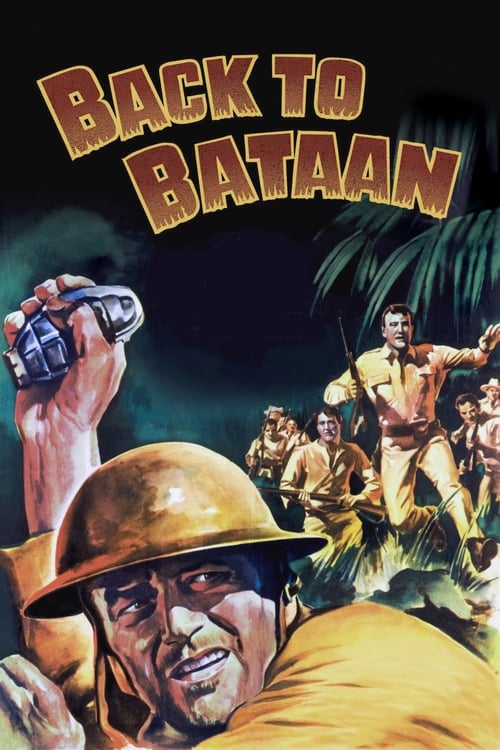
"SEE! Battle of Bataan! March of Death! Guerilla Raids! Fierce bolo fighters in action!"
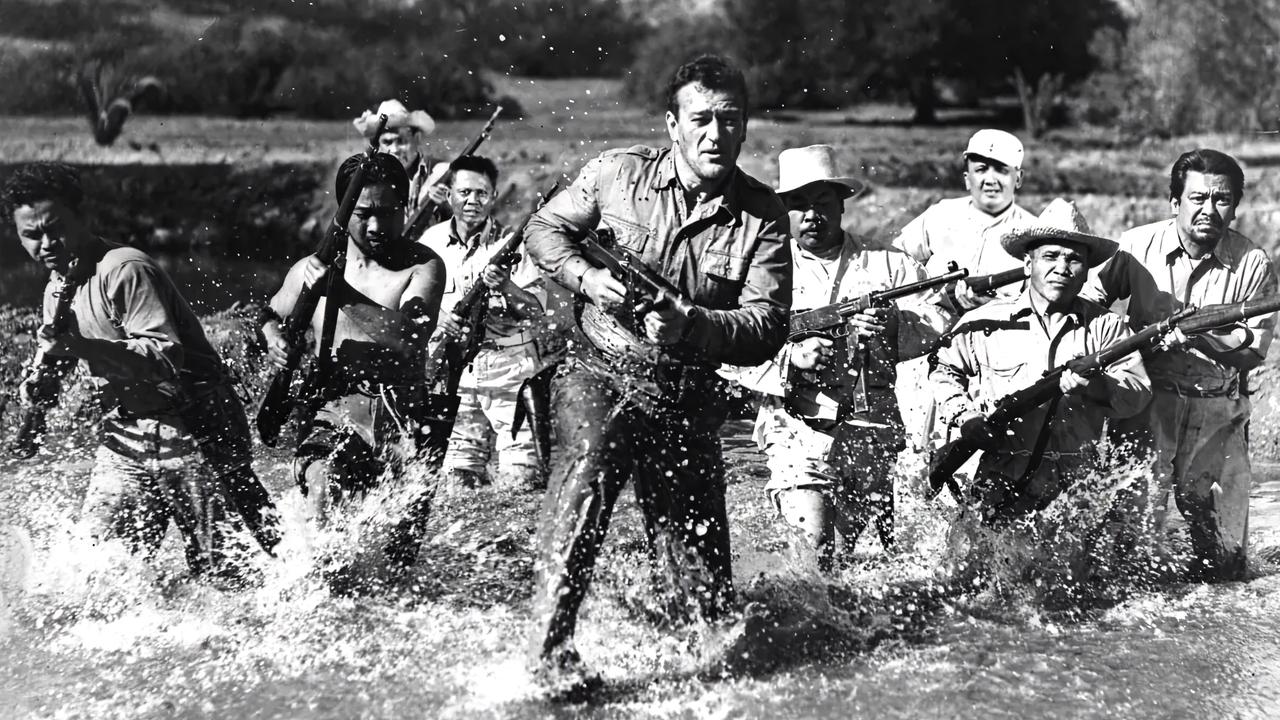
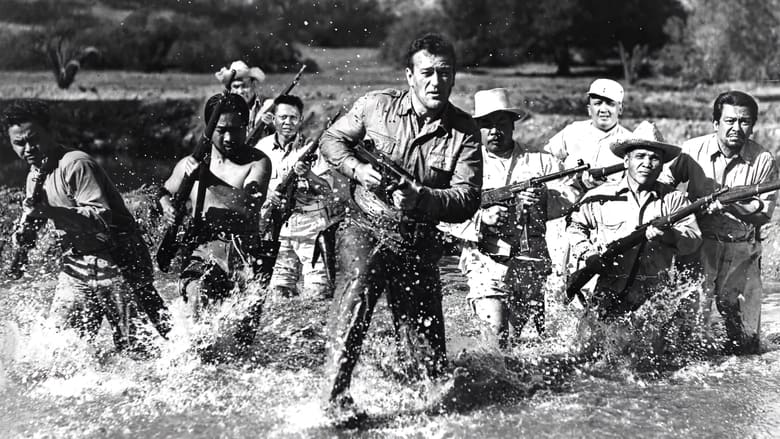
A U.S. Army colonel leads local fighters in a guerrilla campaign against the Japanese in the Philippines.
“SEE! Battle of Bataan! March of Death! Guerilla Raids! Fierce bolo fighters in action!”

John Wayne
Colonel Joseph Madden
Beulah Bondi
Bertha Barnes
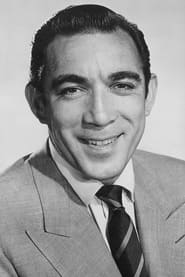
Anthony Quinn
Captain Andres Bonifacio
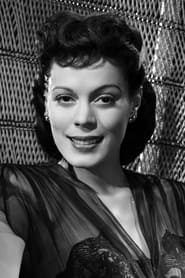
Fely Franquelli
Dalisay Delgado

Richard Loo
Maj. Hasko
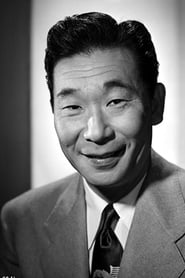
Philip Ahn
Col. Coroki
Alex Havier
Sgt. Bernessa
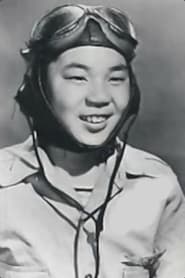
'Ducky' Louie
Maximo Cuenca
Credits
Want more? Switch to Cinephile mode in the header for DP, composer, budget, box office, production companies, keywords, and release history.
Did you know?
Did you know
81 years old — a genuine piece of film history.
Did you know
Directed by Edward Dmytryk, shot by Nicholas Musuraca. Note their partnership — DPs and directors often return to each other across a career.
Did you know
Editor Marston Fay shaped the rhythm. On an edit-heavy film, the editor does more to control your pulse than the director.
Did you know
John Wayne and Beulah Bondi and Anthony Quinn carry the top of the cast.
Did you know
Marketing tagline: "SEE! Battle of Bataan! March of Death! Guerilla Raids! Fierce bolo fighters in action!".
Did you know
IMDB entry: tt0037522 — still the authoritative cross-reference for credits and trivia.
Did you know
Only 72 TMDB ratings — you're getting ahead of the curve on this one.
Cinephile deep dive
Edward Dmytryk directs. Nicholas Musuraca behind the camera. Marston Fay cuts. Runs lean at under 100 minutes. Produced in United States of America. Dialogue in English.
Trivia
Also by
Trailers & featurettes
Community reviews
I send out 100 men, they find nothing. I send out ten men, they don't come back. Is it churlish to complain about overt flag waving in war movies? Or to decry propaganda prose in the same? Back to Bataan is guilty as charged, yet such is the composition of Edward Dmytryk's film, and its focus on a part of the war we rarely have seen on film, it matters not. We are in 1942, and after the fall of the Philippines to the Japanese, U.S. Army Col. Joseph Madden (John Wayne) stays behind to lead the local guerrilla resistance against the Japanese army. With that synopsis it isn't hard to figure out what sort of pic we are going to get, yet to purely consider this as a macho beefcake movie is a little unfair. Sure it's bookended by blistering action, as Duke Wayne (very restrained turn actually) and Anthony Quinn cut a swathe through the RKO sound stages, but there's lots of intelligent human interactions here to mark it as being in the least knowing of the campaign. It often grasps for the sentimental branch, while the racist barbs and portrayal of the Japanese does sting at times. But this is exciting and thoughtful stuff, boosted no end by Dmytryk's sturdy direction and Nicholas Musuraca's monochrome photography (a film noir lovers dream pairing!). Better than routine war movie. 7/10
Production companies
RKO Radio Pictures
US
Themes & keywords
Release history · US
Also known as