1 / 8
MONEY
Did you know
Earned back only 25% of its budget on initial theatrical — a commercial disappointment on release.
MoodPlayr · trivia#01
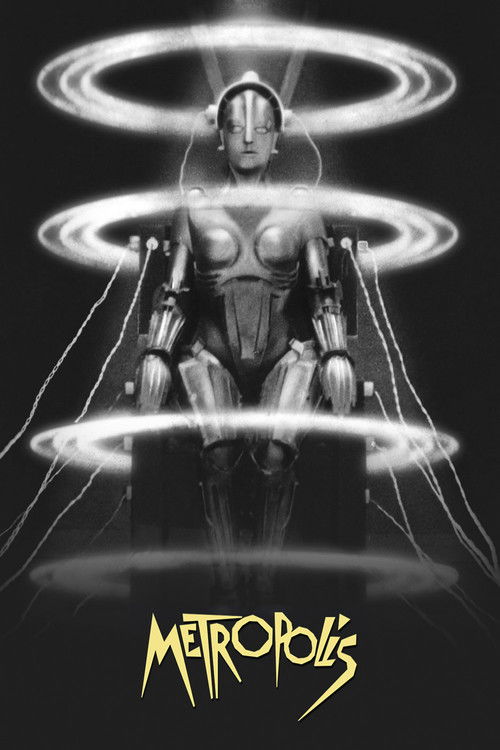
"There can be no understanding between the hands and the brain unless the heart acts as mediator."
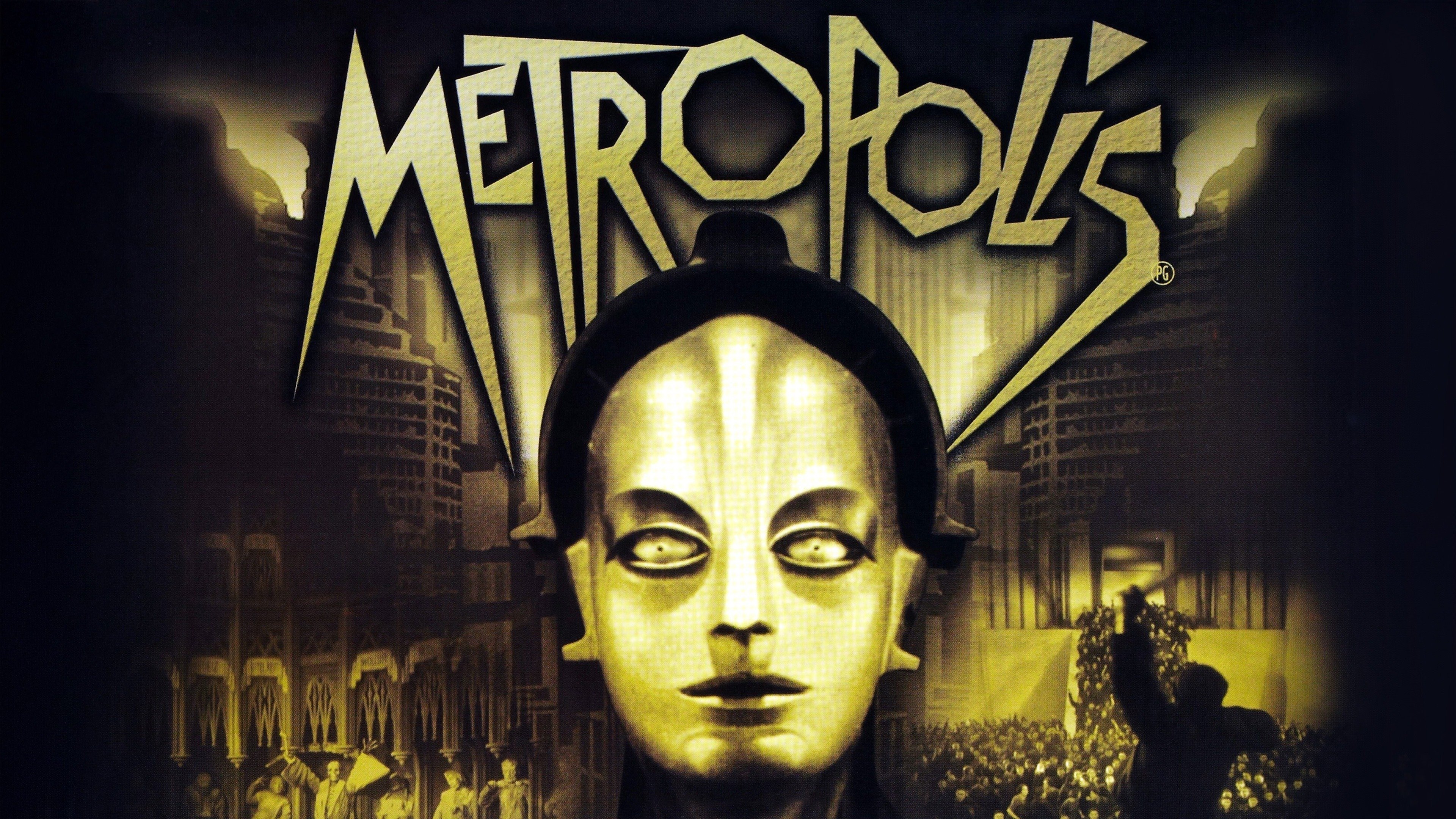
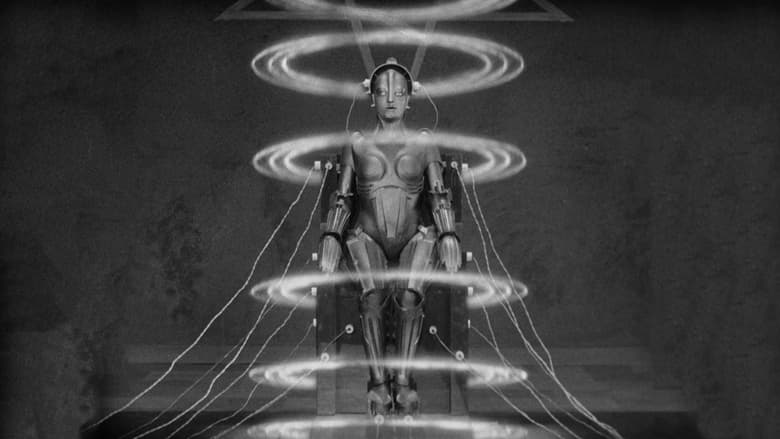
In a futuristic city sharply divided between the rich and the poor, the son of the city's mastermind meets a prophet who predicts the coming of a savior to mediate their differences.
“There can be no understanding between the hands and the brain unless the heart acts as mediator.”
Where to watch · US
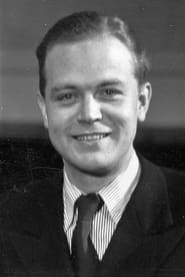
Gustav Fröhlich
Freder Fredersen

Brigitte Helm
Maria / The Machine Man
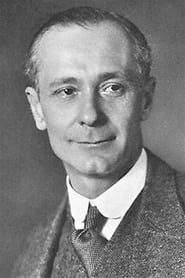
Alfred Abel
Johann 'Joh' Fredersen
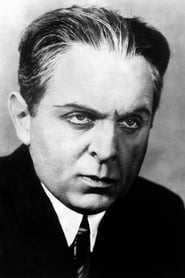
Rudolf Klein-Rogge
C.A. Rotwang

Theodor Loos
Josaphat
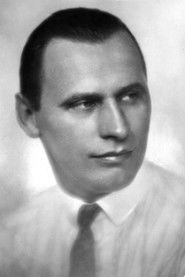
Fritz Rasp
The Thin Man
Erwin Biswanger
No. 11811 - Georgy
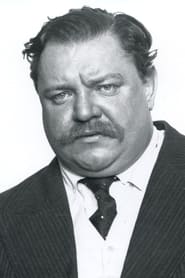
Heinrich George
Grot
Credits
Want more? Switch to Cinephile mode in the header for DP, composer, budget, box office, production companies, keywords, and release history.
Did you know?
Did you know
Earned back only 25% of its budget on initial theatrical — a commercial disappointment on release.
Did you know
99 years old — a genuine piece of film history.
Did you know
Directed by Fritz Lang, shot by Günther Rittau. Note their partnership — DPs and directors often return to each other across a career.
Did you know
Original score by Gottfried Huppertz. Worth a dedicated listen after — most great films lose half their impact without the score.
Did you know
Editor Fritz Lang shaped the rhythm. On an edit-heavy film, the editor does more to control your pulse than the director.
Did you know
Gustav Fröhlich and Brigitte Helm and Alfred Abel carry the top of the cast.
Did you know
Marketing tagline: "There can be no understanding between the hands and the brain unless the heart acts as mediator.".
Did you know
IMDB entry: tt0017136 — still the authoritative cross-reference for credits and trivia.
Cinephile deep dive
Fritz Lang directs. Günther Rittau behind the camera. Gottfried Huppertz scores. Fritz Lang cuts. A commercial under-performer on release. Produced in Germany. Dialogue in No Language.
Trivia
Also by
Stills · wallpapers
Full-resolution frames — open one to save it as a wallpaper.
Trailers & featurettes
Community reviews
Metropolis is one of the greatest films ever made. It's amazing set design, brilliant cinematography, groundbreaking special effects and futuristic story truly makes it one of the must-sees in cinema! It is set in the future, in a city called Metropolis where the citizens are divided into two groups: workers (who live under the ground and are working 10 hour shifts by enormous machines that keeps Metropolis working) and the royals (living in luxury in the great city on the surfice). And over them all, is the creator of Metropolis: Joh Fredersen (Alfred Abel). His son Freder (Gustav Fröhlich) falls in love with a woman of the working-class called Maria (Brigitte Helm) who preaches that a mediator will come and create peace and equality for both workers and royals. Joh Fredersen sees Maria as a big threat agains his "order", so he and the inventor Rotwang (Rudolf Klein-Rogge) kidnaps her and copies her appearence onto a robot, which will destroy the workers faith in Maria. However, Rotwang secretly plans to programme the robot to make the workers destroy the city and crush Joh Fredersen, as an act of vengeance against Fredersen for a sin he committed in the past... Lang made this film in 1927, and it was a huge blockbuster event of that year. However, after the premiere, the US distributor heavily cut down the film, and thereafter the original version was considered lost for almost a decade. In 2008 they found the original version in Argentina (very damaged, but watchable), which became the basis for the most recent reconstruction (2010). If you are going to watch this movie (as I highly recommend that you do!) that's the version to watch! Overall, Metropolis is a REALLY REALLY great movie, that you, once again, MUST watch! I give it a 10/10
This has got to be the ultimate cinematic illustration of the strata of human existence. Whether it be a story of the survival of the fittest; the cleverest; the most devious; most beautiful - or a hybrid of some/all - it reflects poignantly how humanity always seeks to exist within a hierarchical structure (merited or otherwise, but perfectly epitomised here by the matriarchal, deific robot), but how much more effectively mankind can succeed if it accepts and values everyone and works together. It also clearly identifies the perennial problem of those with the brain always ending up far more successful, comfortable - and powerful than those who do the labour. Hence, this wonderful tale from Fritz Lang takes us to "Metropolis" - a totalitarian - though not necessarily intentionally malevolent - society, in which everyone has their place and role. Except, that is - for the son of the "Master". Like many a fickle youth; he has little to occupy his time and his meaningless existence leaves him ripe for new ideas. When he takes pity on a recently sacked employee of his father and shortly afterwards is exposed to a lifestyle he couldn't even have imagined, the story starts to gain a thought-provoking and unstoppable pace. The score magnificently guides us from the drudgery of day-to-day-life through the emancipating revolution that inevitably follows, with all of the ill-foreseen, largely devastating consequences - like a bottle of champagne that has been shaken, sooner or later the cork pops! It is also a story of love between the son and a woman way, way, way beneath his station. Yes, there is light on the sunlit uplands - and much like a forest fire that destroys all in it's path; this film clearly suggests at the end that hope and optimism will triumph and a green shoots of recovery starts to grow again... It also, as a piece of cinema, is clearly the inspiration for so many directors, cinematographers and story tellers that followed...
Production companies
UFA
DE
Themes & keywords
Release history · US
Also known as