1 / 8
RUNTIME
Did you know
Clocks in at 174 minutes — on the longer side of feature-length cinema.
MoodPlayr · trivia#01
"See it to believe it."
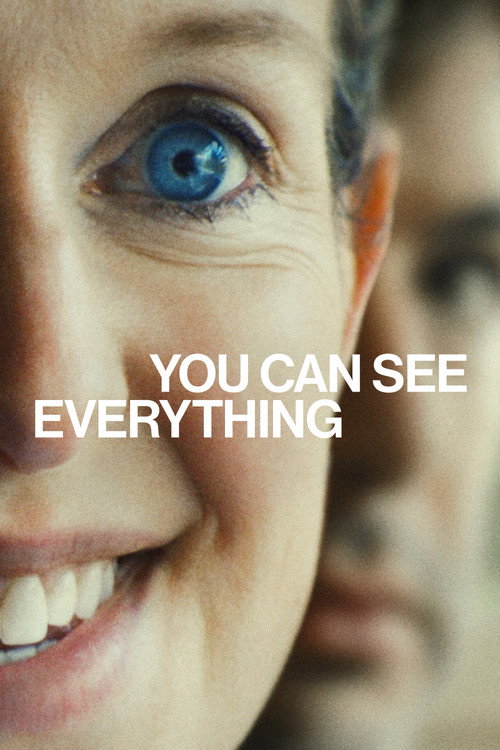
Thirty-four days before she's sent to prison, notorious Silicon Valley founder Elizabeth Holmes invites a skeptical film crew to document her every move. What begins as an intimate portrait of an enigmatic felon becomes a mind-bending three-year journey into the abyss.
“See it to believe it.”
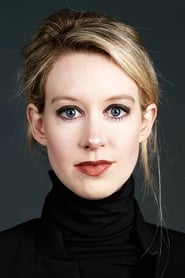
Elizabeth Holmes
Self
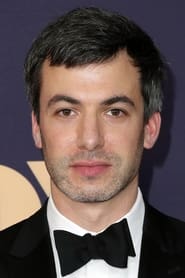
Nathan Fielder
Self
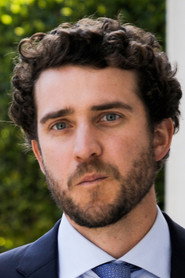
Billy Evans
Self

Amanda Seyfried
Self / Elizabeth Holmes

Christopher Abbott
Billy Evans

Lance Oppenheim
Self
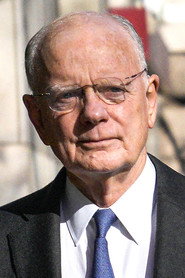
Christian Rasmus Holmes IV
Self
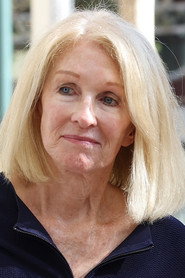
Noel Anne Holmes
Self
Credits
Want more? Switch to Cinephile mode in the header for DP, composer, budget, box office, production companies, keywords, and release history.
Did you know?
Did you know
Clocks in at 174 minutes — on the longer side of feature-length cinema.
Did you know
Grossed $103M — a 14.7× return. The kind of profit studios chase for a decade.
Did you know
Released this year — you're seeing it while it's still in the cultural conversation.
Did you know
Directed by Nathan Fielder, shot by David Bolen. Note their partnership — DPs and directors often return to each other across a career.
Did you know
Original score by Ari Balouzian. Worth a dedicated listen after — most great films lose half their impact without the score.
Did you know
Editor Adam Locke-Norton shaped the rhythm. On an edit-heavy film, the editor does more to control your pulse than the director.
Did you know
Elizabeth Holmes and Nathan Fielder and Billy Evans carry the top of the cast.
Did you know
Marketing tagline: "See it to believe it.".
Cinephile deep dive
Nathan Fielder directs. David Bolen behind the camera. Ari Balouzian scores. Adam Locke-Norton cuts. A long sit — settle in. Made its budget back several times over at the box office. Produced in United States of America. Dialogue in English.
Trivia
Also by
Stills · wallpapers
Full-resolution frames — open one to save it as a wallpaper.
Trailers & featurettes
Community reviews
You Can See Everything is genuinely tense and deceptively riveting. It takes the audience on a remarkable journey full of outrageous revelations, and yet the biggest secrets are never revealed. https://bit.ly/YCSE
If you enjoy tidy documentaries that answer all questions and provide a definitive resolution—this isn’t the movie for you. You Can See Everything is an absorbing film that invites endless interpretation while remaining elusive about what, exactly, it wants to say. There is plenty to chew on here, and the film's greatest strength may also be its most significant weakness: it leaves so much unresolved that separating deliberate ambiguity from a lack of focus becomes a challenge in itself. Quick preface: You Can See Everything assumes the audience is already familiar with the story of Elizabeth Holmes and Theranos. The Film Critics recommend HBO’s 2019 documentary The Inventor: Out for Blood in Silicon Valley to anyone unfamiliar with the backstory. One thing You Can See Everything gets right is that Elizabeth Holmes remains a fascinating subject precisely because she is so difficult to read. The film raises questions that other documentaries and media treatments have barely touched, offering new angles on the person behind the notorious public persona. Rather than simply revisiting familiar territory, it opens up a broader conversation about sincerity, performance, identity, and the stories people tell about themselves. There is no shortage of material to debate, and viewers will likely emerge with very different interpretations of what they have witnessed. The film's willingness to linger can also be surprisingly effective. Although its runtime is undeniably excessive at nearly three hours long, You Can See Everything is rarely dull in the conventional sense. Its unfolding narrative has a peculiar gravitational pull, drawing the audience deeper into its subject's world even when the destination remains unclear. Some scenes feel remarkably raw and unguarded, as though the camera has simply been allowed to sit in the room rather than orchestrate a moment for public consumption. That intimacy lends the documentary an unpredictable energy, making it difficult to dismiss as mere sensationalism. One particularly revealing scene involving a classic comedy sketch offers a very telling glimpse into Holmes's psychology. It is the kind of sequence that invites close examination, suggesting layers of meaning without spelling them out. Such moments demonstrate how compelling the documentary can be when it trusts the audience to read between the lines, while also highlighting the opportunities it leaves unexplored. The trouble is that the film can sometimes mistake prolonged observation for meaningful revelation. There are stretches when the viewer cannot help wondering whether or not the documentary is taking the scenic route to get to a point. The accumulated footage sometimes feels voyeuristic, offering access without necessarily providing insight. Even the gratuitous shot of nudity feels less provocative than pointless, an instance of the film perhaps mistakenly presenting unfiltered access as worthwhile filmmaking. The presence of Nathan Fielder, an actor and comedian, in the filmmaking equation raises another intriguing complication. Why approach this material through an entertainer rather than a credentialed journalist or a documentarian with a more proper investigative framework? The choice is clearly deliberate, yet adds another layer of uncertainty to a film already preoccupied with the slippery boundary between authenticity and performance. It also makes the documentary's intentions harder to pin down. When the filmmaking itself feels like a potential performance, the audience is left questioning not only Holmes's sincerity but the sincerity of the enterprise observing her. Perhaps that uncertainty is the point. Holmes has long occupied an uneasy space between fascination and distrust, and the film's ambiguity mirrors the difficulty of determining where the person ends and the persona begins. There is something compelling about a documentary that refuses to offer easy answers, particularly when its subject has made the distinction between truth and presentation so difficult to navigate. But ambiguity is not automatically profundity. By withholding a clearer perspective, the film risks undermining the very purpose of documentary filmmaking: to investigate, contextualize, and help audiences see something they could not see before. Leaving questions unanswered can be productive; leaving the viewer unsure whether the questions have been properly examined is another matter. Ultimately, You Can See Everything is a provocative, entertaining, and insightful documentary that will ignite discussions amongst audiences. Its best moments are intimate enough to feel revealing, and its subject remains endlessly fascinating, but the misplaced emphasis and sometimes questionable direction prevents the film from becoming the incisive examination it might have been. The ambiguity will undoubtedly fuel conversations long after the credits roll, even if some viewers find themselves wishing those conversations had been better guided. At its best, the film makes you reconsider what you think you know; at its weakest, it leaves you wondering whether watching has even brought you any closer to understanding.
give the oscar award for makeup to whoever made amanda seyfried's lips look that disgustingly chapped during the prison reenactment you really can see everything, including the turkey jerky crust
Production companies

Blow Out Productions
US

To Be Formed
US

A24
US
Themes & keywords
Release history · US
Also known as
 Movie
2009
 Movie
2025
 Movie
2023
 Movie
2026
 Movie
2025
 Movie
2010
 Movie
2024
 Movie
2023
 Movie
2018
 Movie
2013