1 / 8
MONEY
Did you know
Shot for just $3.0M — micro-budget by Hollywood standards.
MoodPlayr · trivia#01
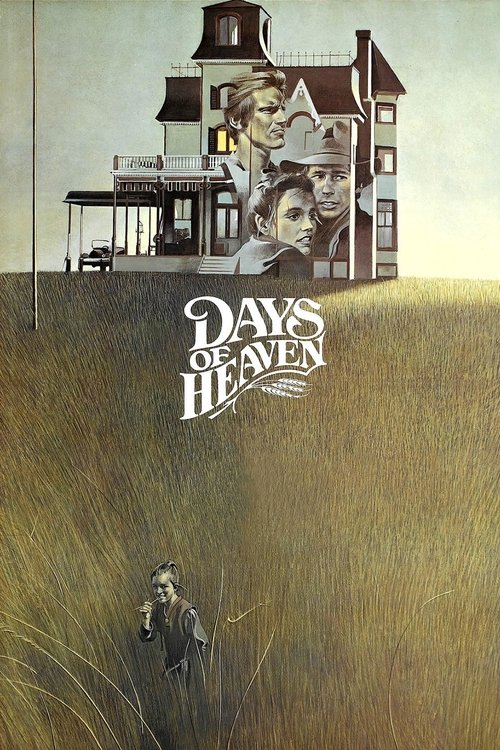
"She gave her hand to one man, but her heart to another."
In 1916, a Chicago steel worker accidentally kills his supervisor and flees to the Texas panhandle with his girlfriend and little sister to work harvesting wheat in the fields of a stoic farmer.
“She gave her hand to one man, but her heart to another.”
Where to watch · US
 fuboTVSubscription
 MGM+ Amazon ChannelSubscription
 PhiloSubscription
 MGM Plus Roku Premium ChannelSubscription
 MGM PlusSubscription
 JustWatch TVRent
 Amazon VideoRent
 Apple TV StoreRent
 Google Play MoviesRent
 YouTubeRent
 Fandango At HomeRentAmazon VideoBuyApple TV StoreBuyGoogle Play MoviesBuyYouTubeBuyFandango At HomeBuy
Richard Gere
Bill
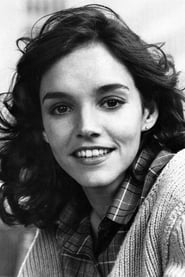
Brooke Adams
Abby
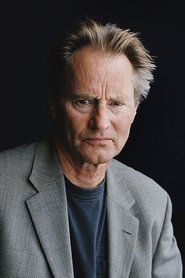
Sam Shepard
The Farmer
Linda Manz
Linda
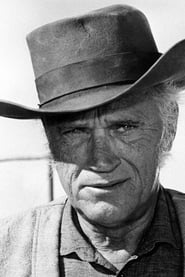
Robert J. Wilke
The Farm Foreman
Jackie Shultis
Linda's Friend
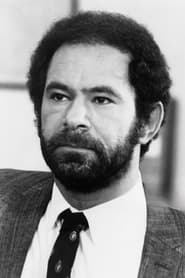
Stuart Margolin
Mill Foreman
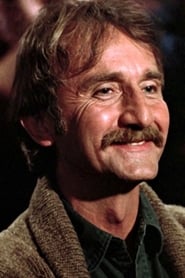
Timothy Scott
Harvest Hand
Credits
Want more? Switch to Cinephile mode in the header for DP, composer, budget, box office, production companies, keywords, and release history.
Did you know?
Did you know
Shot for just $3.0M — micro-budget by Hollywood standards.
Did you know
48 years old — old enough to be someone's favourite childhood film.
Did you know
Dialogue crosses 2 languages: English, Italian.
Did you know
Directed by Terrence Malick, shot by Néstor Almendros. Note their partnership — DPs and directors often return to each other across a career.
Did you know
Original score by Ennio Morricone. Worth a dedicated listen after — most great films lose half their impact without the score.
Did you know
Editor Billy Weber shaped the rhythm. On an edit-heavy film, the editor does more to control your pulse than the director.
Did you know
Richard Gere and Brooke Adams and Sam Shepard carry the top of the cast.
Did you know
Marketing tagline: "She gave her hand to one man, but her heart to another.".
Cinephile deep dive
Terrence Malick directs. Néstor Almendros behind the camera. Ennio Morricone scores. Billy Weber cuts. Runs lean at under 100 minutes. Profitable at the box office. Produced in United States of America. Dialogue in English, Italian.
Trivia
Awards
Individual records documented via Wikidata; the summary above may count more.
Also by
Stills · wallpapers
Full-resolution frames — open one to save it as a wallpaper.
Trailers & featurettes
Community reviews
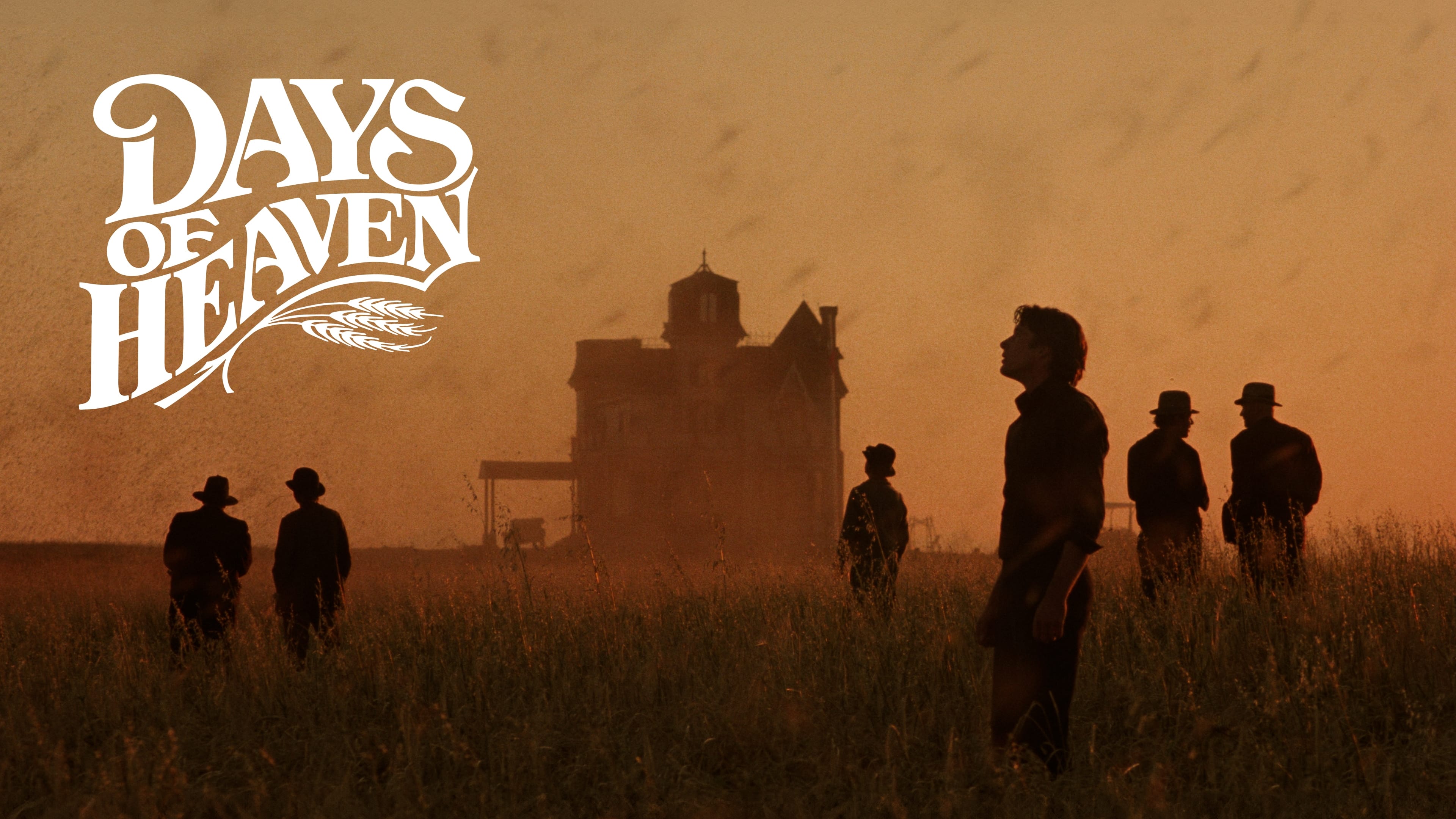
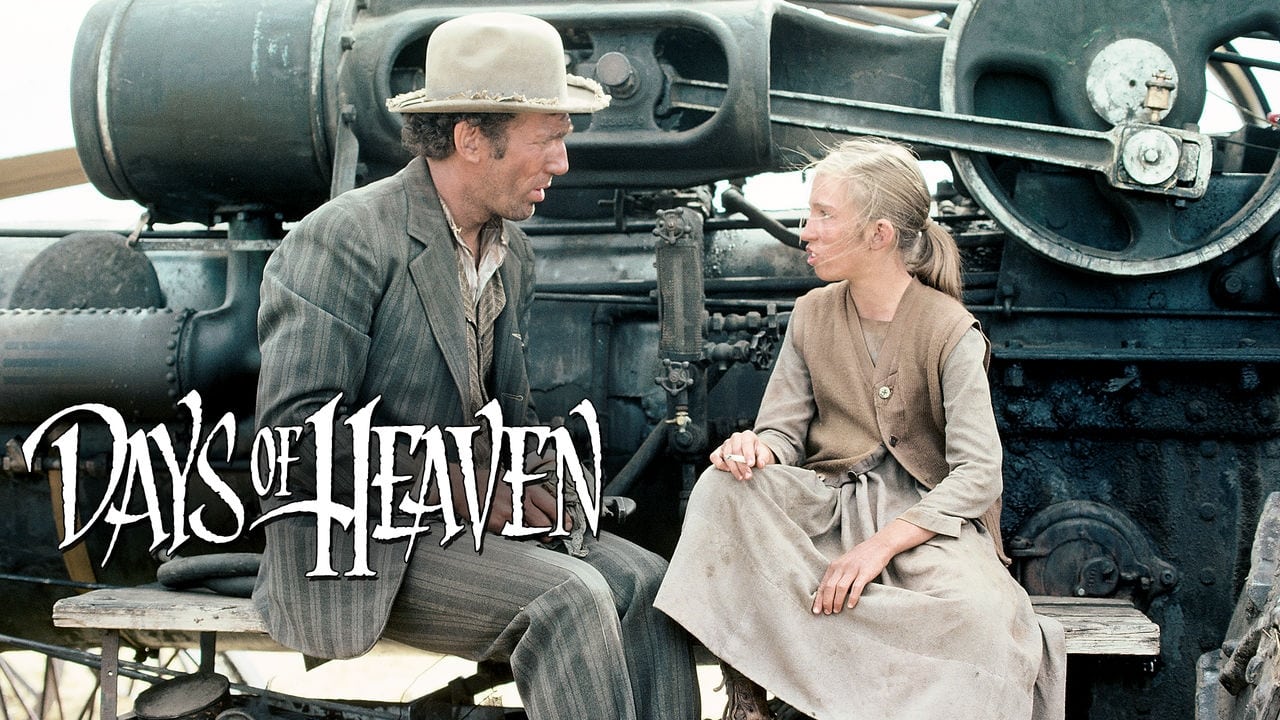
Following the story of Bill (Richard Gere), a hard working laborer in the early 19th century, Days Of Heaven is a cinematic masterpiece. Accompanied by his girlfriend, Abby (Brooke Adams) and sister (Linda Manz), Bill departs on a steam engine for a lone wheat farm in Texas for work. The journey is a long one, but director Terrence Malick makes the ride pleasant with beautiful shots of nature at its best. The rest of the movie follows suit. Although once at the farm the labor is arduous for the three characters, they find solace in being surrounded by the natural aesthetics. Everything is made even better when Bill, against his better judgment, convinces Abby to marry the owner of the farm. Life becomes carefree. The common thread that ties the film together is the depiction of nature. The plains of Texas are exactly that–plain. Malick is able to capture this simplicity and turn it into something extraordinarily beautiful. A common theme emerges–the relationship between humans and nature. At times the relationship can be a close one, as illustrated by the carefree frolicking through the fields. However at other times, by piecing together wide shots of the plains, Malick portrays humans as insignificant in comparison to nature. While the two are contrasts, the two work together to form a cohesive depiction of nature. This relationship is especially illuminated by the attempt to industrialize the farm. Steam engines and massive coal powered plows stand tall over the individual farmhands. One can look at these massive machines as an attempt for man to conquer nature and assert his dominance. Additionally, Malick is able to give nature emotion, almost as vivid as if it was an animate object. Wheat blowing back and forth in the wind while the sun shines through the clouds provides for a very melancholy and relaxed mood. The breeze is almost palpable on one’s cheek. Yet, when the massive machines arrive and the farmhands are forced to do intense manual labor, the calmness disappears. Life becomes hectic. This contrast shows the duality of nature. For every pleasant thing in life, there is a bad thing as its complement– much like heaven and hell. This is extremely apparent when Bill attempts to leave the farm for the second time. As he leaves the farmer’s residence, he hears a droning sound. Before Bill or the viewer understands what is happening, the sky opens up with locusts. The farm literally becomes engulfed in these insects coming straight out of the ten plagues. All hell breaks loose–sirens sound and hundreds of workers tried to get these locusts off the farm. All that is beautiful–the wheat, the sky, and the vast emptiness of the plains–is covered up. It is almost as if hell is covering the heaven on earth. This allegory becomes even clearer once a fire erupts. The days in heaven are clearly over as the fire cannot be contained and the beauty is physically destroyed. Following the duality in nature already established by the movie, heaven is subsequently restored. Although most of the crops are gone after the fire, the land still has an aesthetic quality to it. And although Bill and Abby never find solace after fleeing, Bill’s sister finds herself enjoying life again after reuniting with her friend. Just as it had been during the days of heaven, she is carefree again.
Outstanding. My second favourite Malick film next to Badlands. I'm not sure anyone has ever been better at photographing fire. The only other of his films I have seen thus far is 'To the Wonder', but it's films like this that make me such a lover of cinema. I'm not a Richard Gere fan in the slightest (though I have always loved Brooke Adams), but it's roles like this that cement his reputation as a cinematic icon in my books. I didn't say 'actor' because I'm not really sure that's his strength--it's more a presence, such as Alain Delon in 'Le Samourai'.
I wasn't ever really a fan of Richard Gere. Maybe it was just all that hair? Anyway, in this rather poignant story he is "Bill" who works in a smelter in Chicago whilst living with "Amy" (Brooke Adams) and his younger sister "Linda" (Linda Manz). He's not happy, and after the latest in a series of lively squabbles with his foreman, the three decide to quit the city and head to Texas where they find casual work on farm. As the season progresses, it soon becomes clear that the owner of the farm (Sam Shepard) has taken a bit of a shine to "Abby". He is poorly and "Bill" reckons that he isn't destined to be long for the world, so "Abby" agrees to marry him so that, in due course, they can inherit the whole shebang! Thing is, though, someone's been telling some fibs and the perhaps the farmer isn't quite so close to his sell-by date as many had been led to believe! Things only get murkier when we learn that "Bill" has a past - and that past is homing in on their new lives and threatening their triumvirate. It's gently narrated by "Linda" and the story from Terrence Malick is tightly packaged into a quickly paced ninety minutes of characterful, sometimes poignant, drama. Shepard gets the plaudits from me, his performance stands out but generally this is a decent ensemble effort that guides us through a story of avarice, loyalty and menace with aplomb. Gere still isn't great, but the film looks great and is certainly worth a watch.
Production companies

Paramount Pictures
US
O.P. Productions
US
Themes & keywords
Release history · US
Also known as