

1 / 8
ERA
Did you know
57 years old — a genuine piece of film history.
MoodPlayr · trivia#01
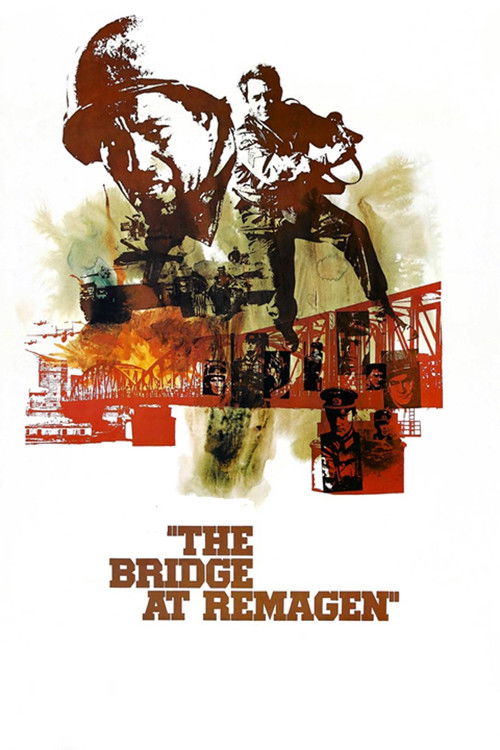
"Thus ended the last great German stand in the West."
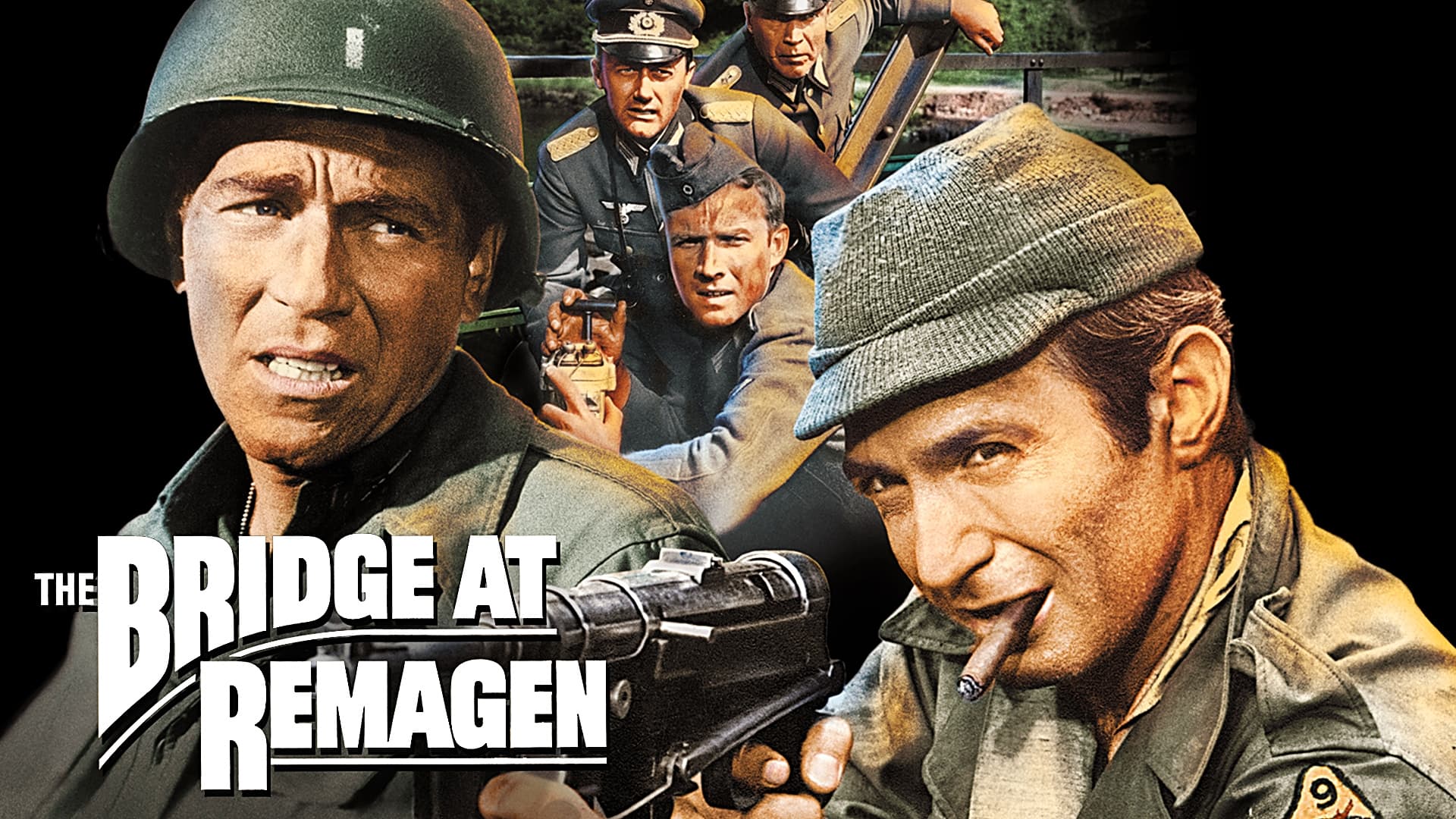
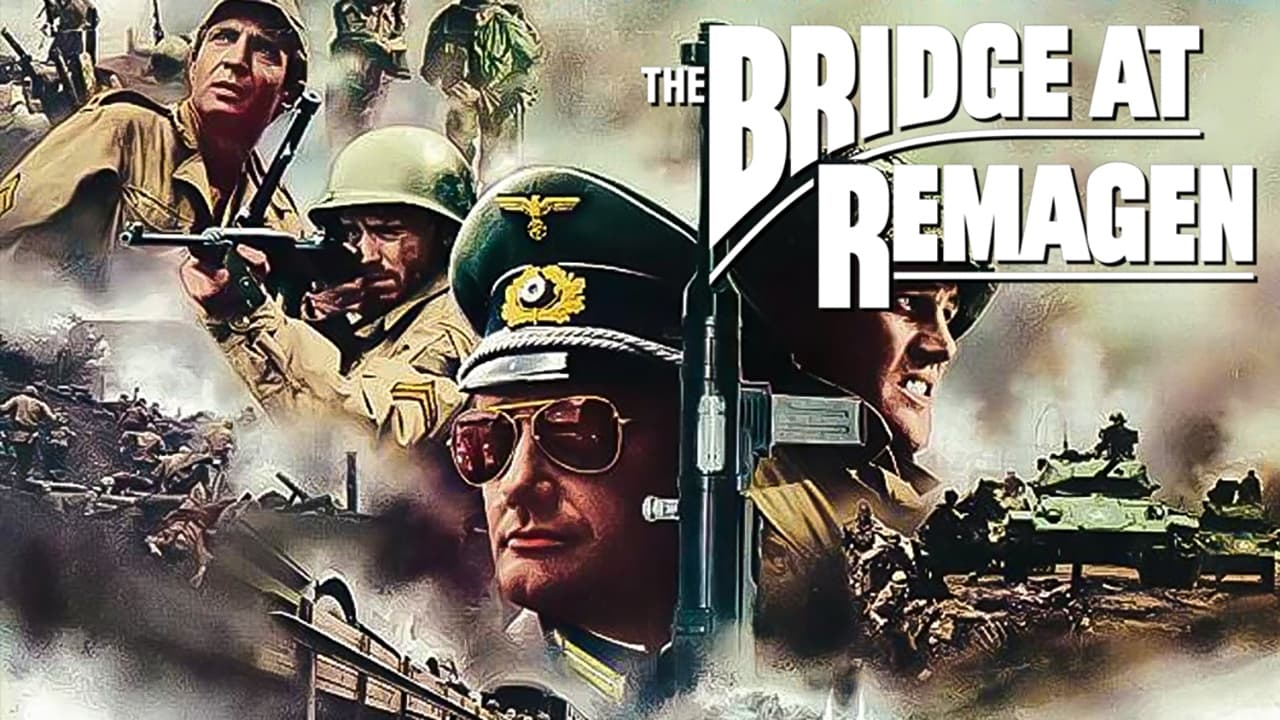
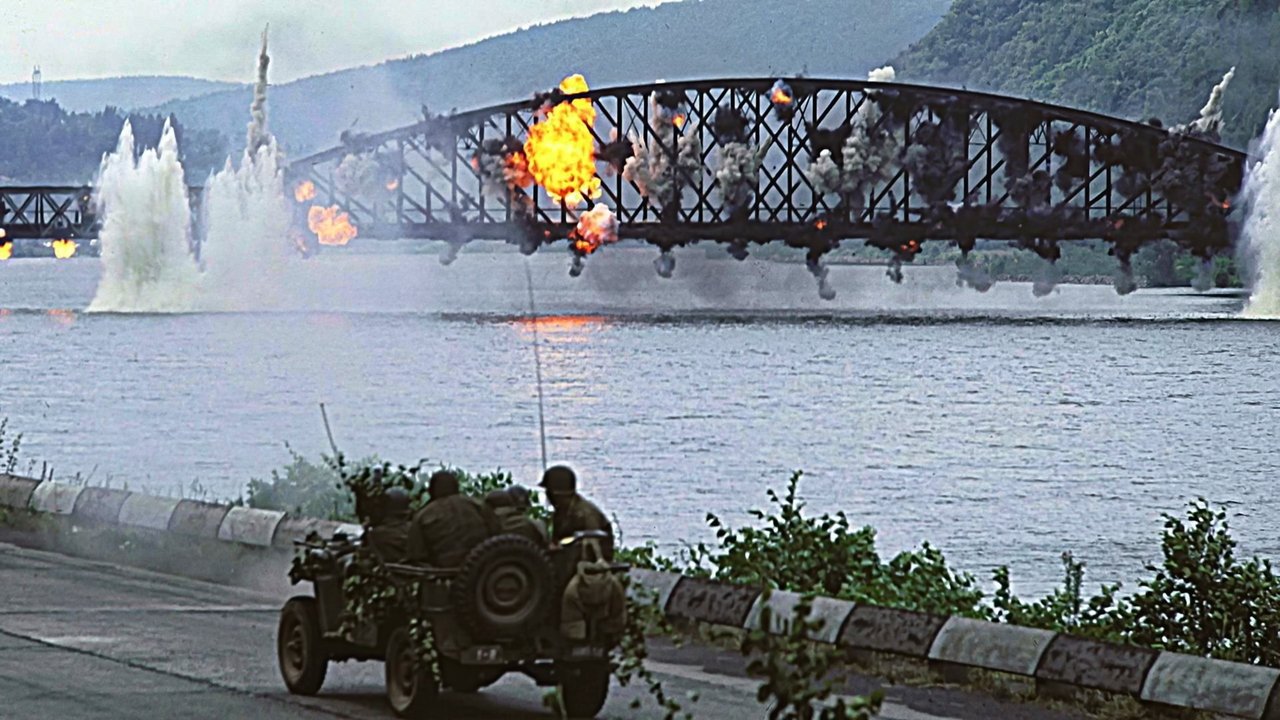
In March of 1945, as the War in Europe is coming to a close, fighting erupts between German and American troops at the last remaining bridgehead across the Rhine.
“Thus ended the last great German stand in the West.”
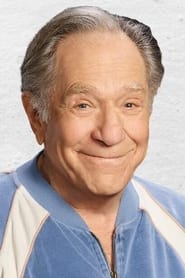
George Segal
Lt. Phil Hartman

Robert Vaughn
Maj. Paul Krueger
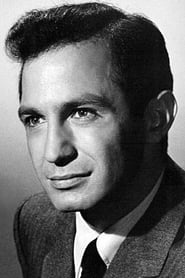
Ben Gazzara
Sgt. Angelo
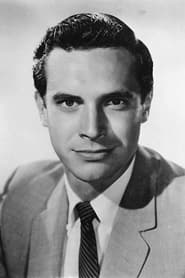
Bradford Dillman
Maj. Barnes
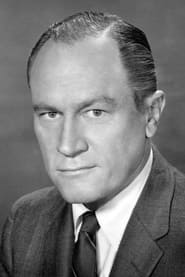
E.G. Marshall
Brig. Gen. Shinner
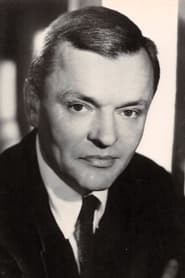
Peter van Eyck
Gen. Von Brock

Hans Christian Blech
Capt. Carl Schmidt
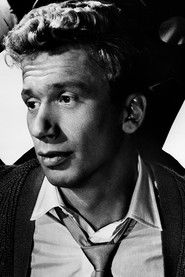
Heinz Reincke
Holzgang
Credits
Want more? Switch to Cinephile mode in the header for DP, composer, budget, box office, production companies, keywords, and release history.
Did you know?
Did you know
57 years old — a genuine piece of film history.
Did you know
Dialogue crosses 2 languages: German, English.
Did you know
Directed by John Guillermin, shot by Stanley Cortez. Note their partnership — DPs and directors often return to each other across a career.
Did you know
Original score by Elmer Bernstein. Worth a dedicated listen after — most great films lose half their impact without the score.
Did you know
Editor William T. Cartwright shaped the rhythm. On an edit-heavy film, the editor does more to control your pulse than the director.
Did you know
George Segal and Robert Vaughn and Ben Gazzara carry the top of the cast.
Did you know
Marketing tagline: "Thus ended the last great German stand in the West.".
Did you know
IMDB entry: tt0064110 — still the authoritative cross-reference for credits and trivia.
Cinephile deep dive
John Guillermin directs. Stanley Cortez behind the camera. Elmer Bernstein scores. William T. Cartwright cuts. Produced in United States of America. Dialogue in German, English.
Trivia
Also by
Stills · wallpapers
Full-resolution frames — open one to save it as a wallpaper.
Trailers & featurettes
Community reviews
The Amazing Story of March 7, 1945. The Bridge at Remagen is directed by John Guillermin and collectively adapted to screenplay by William Roberts, Richard Yates and Roger O. Hirson from the book The Bridge at Remagen: The Amazing Story of March 7, 1945. It stars George Segal, Robert Vaughn, Ben Gazzara, Bradford Dillman and E.G. Marshall. A Panavision/ De Luxe Color production, music is by Elmer Bernstein and cinematography by Stanley Cortez. Film is a fictionalised account of the battle for control of The Ludendorff Bridge over the Rhine during the tail end of World War II. A war film that’s rich with action and no little intelligence as it views the battle equally from both sides of the warring factions. The bridge is crucial to the war effort to both sides, but for different reasons, here the narrative is a little complex so total investment in the dialogue is strongly recommended. The characterisations are high quality, even if the war is hell weariness of the American soldiers had been done many times before in other notable war movies. Guillermin thrusts the psychologically hurt soldiers into desperate combat situations, from which we the viewers indulge in seeing the survival of the fittest. A sweeping score from Bernstein, gritty looking photography by Cortez, and a cast giving good turns, rounds this out as a thoroughly enjoyable World War II picture. 7/10
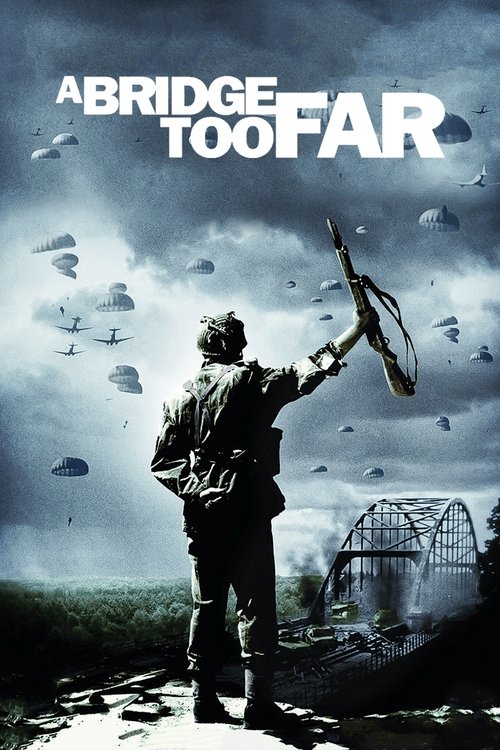
Sorta obscure WW2 flick from the late 60s with George Segal and Robert Vaughn As the Allies are about to invade Germany in March, 1945, the Germans decide to blow up the last bridge on the Rhine in the area of Oberkassel, but a dissenting general (Peter van Eyck) convinces a major (Robert Vaughn) to keep it up as long as possible so troops can escape Germany. On the American side George Segal plays a lieutenant, Ben Gazzara a sergeant and Bradford Dillman their commander. "The Bridge at Remagen" (1969) is a WW2 film loosely based on real-life events similar to the later “A Bridge Too Far” (1977), but with a lesser cast, albeit more streamlined and colorful, like the contemporaneous “Castle Keep,” but less artsy and more straightforward. It may not be great like “Where Eagles Dare” (1968) or near-great like “Kelly’s Heroes” (1970), but it’s solid and fills the bill if you’re in the mood for WW2 movie from the European theater. The film runs 1 hour, 55 minutes, and was shot in Davle & Most, Czech Republic (the river is the Vltava). Filming was interrupted by the Soviet invasion of August, 1968, wherein Cast & crew were taken to safety via a convoy of 28 taxis. The film was completed in Hamburg, Germany, and various Italian locations. The film unit was amusingly accused by the Soviets & East German press of smuggling weapons into the country, supposedly being a cover-up for the CIA. GRADE: B
Production companies
Wolper Pictures
US
Themes & keywords
Release history · US
Also known as