

1 / 8
RUNTIME
Did you know
Clocks in at 167 minutes — on the longer side of feature-length cinema.
MoodPlayr · trivia#01

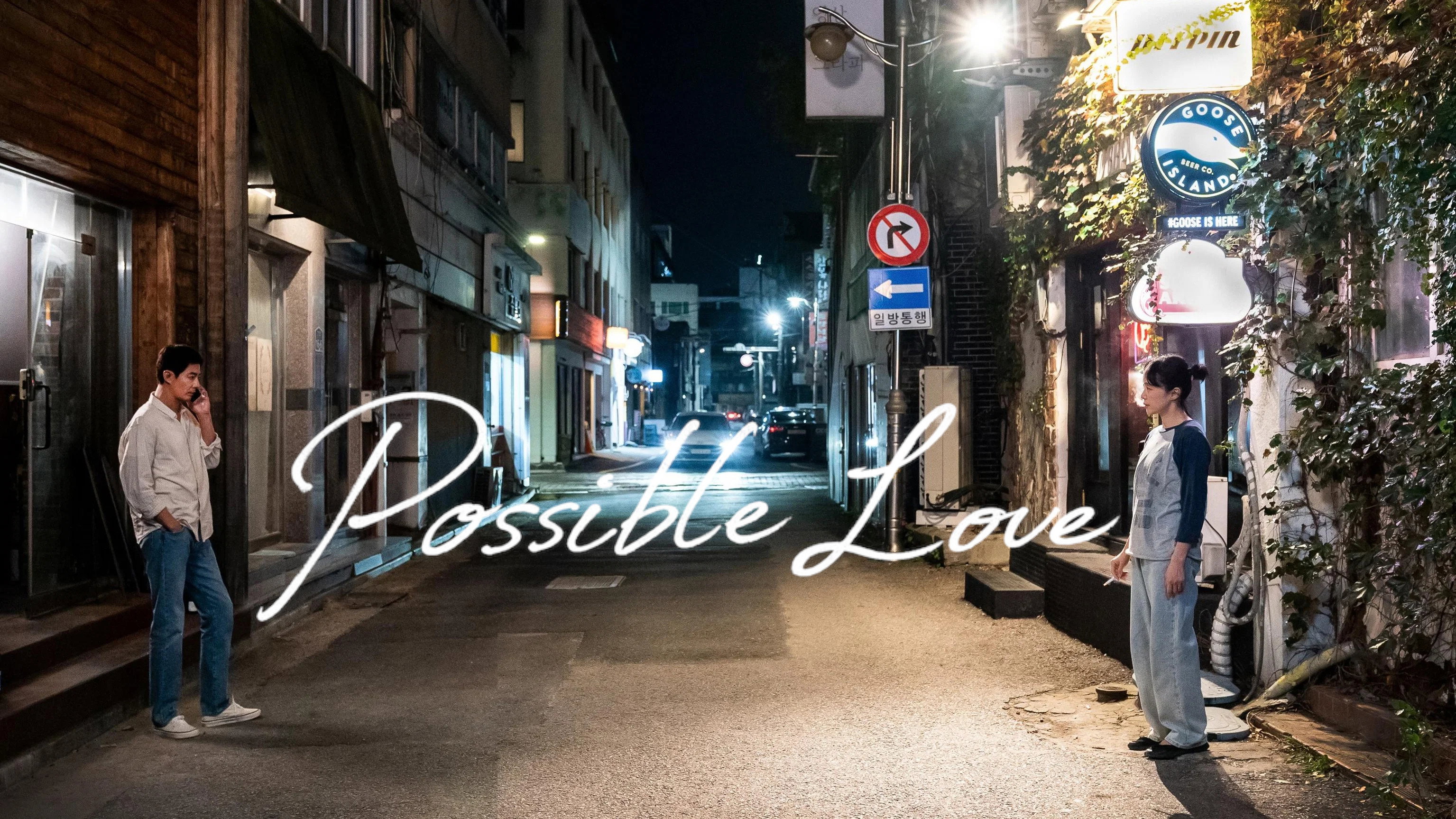
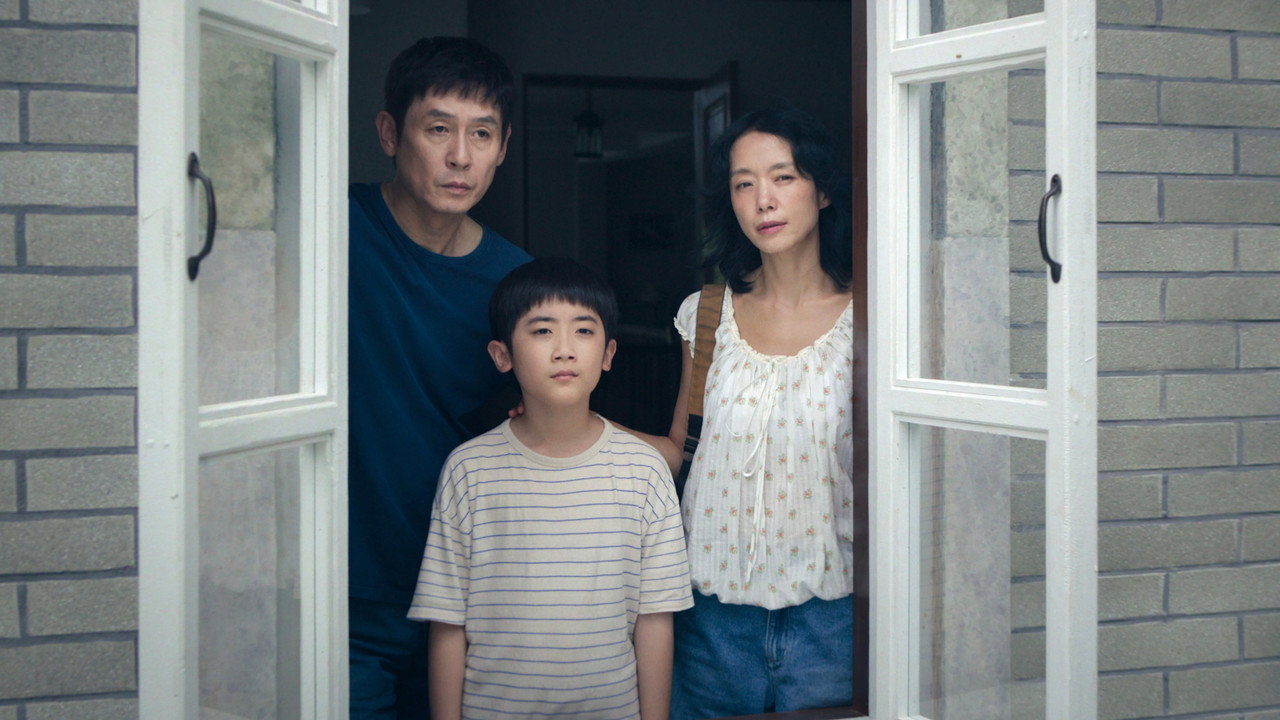
A laid-off worker and his wife cross paths with a documentary filmmaker and her spouse and confront their hidden desires.
“Some stories are better left unspoiled.”
Where to watch · US

Jeon Do-yeon
Mi-ok

Sul Kyung-gu
Ho-seok

Zo In-sung
Sang-woo

Cho Yeo-jeong
Ye-ji

Jo Yuri
Young Mi-ok
Choi Min
Young Ho-seok

Jeong Seop
Cheol
Kang Chang-gwon
Min-sik
Credits
Want more? Switch to Cinephile mode in the header for DP, composer, budget, box office, production companies, keywords, and release history.
Did you know?
Did you know
Clocks in at 167 minutes — on the longer side of feature-length cinema.
Did you know
Released this year — you're seeing it while it's still in the cultural conversation.
Did you know
Dialogue crosses 2 languages: Korean, English.
Did you know
International production across 2 countries: South Korea, United States of America.
Did you know
Directed by Lee Chang-dong, shot by Kim Ji-yong. Note their partnership — DPs and directors often return to each other across a career.
Did you know
Original score by Jung Jae-il. Worth a dedicated listen after — most great films lose half their impact without the score.
Did you know
Editor Kim Da-won shaped the rhythm. On an edit-heavy film, the editor does more to control your pulse than the director.
Did you know
Jeon Do-yeon and Sul Kyung-gu and Zo In-sung carry the top of the cast.
Cinephile deep dive
Lee Chang-dong directs. Kim Ji-yong behind the camera. Jung Jae-il scores. Kim Da-won cuts. A long sit — settle in. Produced in South Korea, United States of America. Dialogue in Korean, English.
Trivia
Also by
Stills · wallpapers
Full-resolution frames — open one to save it as a wallpaper.
Trailers & featurettes
Community reviews
Check out my full review @ https://www.manuelsbento.com/possible-love-2026-lee-chang-dongs-patient-class-drama-is-easier-to-admire-than-to-love/ Rating: B+ I admire POSSIBLE LOVE more than I love it, but I really enjoyed it. Jeon Do-yeon leads an exceptional ensemble alongside Sul Kyung-gu, Zo In-sung, and Cho Yeo-jeong. Lee Chang-dong and Oh Jung-mi’s lived-in writing lets the themes run through the characters instead of over them. Ye-ji’s uncertain motives, the camera as a tool of power, and the portrait of two marriages drifting apart give it plenty to chew on. Meanwhile, the restrained work of Kim Ji-yong, Kim Da-won, and Jung Jae-il never gets in the way. The second act drags and repeats itself, the script leans on exposition, and the wealthy couple feels thinner than the working one. The cross-couple attraction didn’t convince me, and the sparse humor never quite settles in. The ending trades fireworks for something quieter, and I get the choice. Nearly three hours is a lot to ask, and most of that time is well spent.
It should go without saying that “intention” plays a major role in shaping a movie’s narrative, especially when it attempts to convey important political, economic and/or sociological messages. It’s also crucial that such sentiments are delivered deftly, eloquently couched in the plot and any associated metaphors, without browbeating the audience or stumbling through the flow of the story. But, when these elements aren’t coordinated with the proper grace and dexterity, the picture usually fails, falling all over itself in the process, as is the case in this latest offering from writer-director Lee Chang-dong. In an unusual (and largely ineffective) effort to make a bold statement about South Korea’s broad economic disparity between the working class and the ruling class, the filmmaker puzzlingly attempts to address this subject through the experiences of two very different married couples. When a major corporate restructuring leads to a protracted employee strike that eventually turns violent, it leaves devastating emotional and physical scars on the workers, both in their professional and personal lives. So it is for laid-off laborer Ho-seok (Sul Kyung-gu), whose severe trauma has left him broken, beaten and demoralized and largely under the care of his devoted but quietly unhappy wife, Mi-ok (Jeon Do-yeon). She does her best to help her husband, but her efforts often go ignored and unappreciated – conditions that, unfortunately, have been present in their relationship for some time, as seen in a series of flashbacks. But this couple is not the only one to have been so impacted by this dispute; many other workers and their spouses have experienced the same. And their plight has consequently caught the attention of independent filmmaker Ye-ji (Cho Yeo-jeong), who is chronicling their circumstances in a new documentary, with Mi-ok serving as a key interview source. The two women subsequently become good friends, routinely socializing together, joined by Ho-seok and Ye-ji’s wealthy investor husband, Sang-woo (Zo In-sung). However, given the couples’ significant economic differences, they seem an unlikely foursome, a scenario that, ever so coincidentally, conveniently serves as a perfect (albeit derivative) metaphor for the state of South Korea’s class distinctions at large. In light of that apparent contrivance, then, how genuine are the individuals’ and couples’ motivations supposed to be? For instance, can Ye-ji’s seeming efforts at empathy toward her new friends be trusted? Is her film project a genuine gesture to extend a sympathetic helping hand, or is it a veiled (albeit unconscious) act of exploitation? And where does her quiet, conspicuously vague husband with all his money fit into this scenario? What’s more, are the entanglements on display here based entirely on class and economics, or are other hidden motivations and desires involved given their respective personal circumstances? If this all sounds muddled, confusing and more than a little melodramatic, you’d be right. While the filmmaker tries mightily to make a meaningfully relevant statement through a less-than-obvious approach, the pieces of this convoluted puzzle just don’t mesh well at all. They feel forced together, an embodiment of the square peg-in-a-round hole principle. Moreover, the more apparent it eventually becomes what the filmmaker is attempting to do, the more obvious, predictable and even juvenile it becomes. Considering the picture’s woefully overlong 2:46:00 runtime, he takes his own sweet time about it, too, incorporating a wealth of redundant, extraneous, meandering material in the run-up to a wholly unsatisfying conclusion. And, if all that weren’t enough, “Possible Love” has to be one of the worst titles I’ve ever seen assigned to a movie (what does that have to do with labor relations and class distinction?). In the end, this feels like a film put together by committee. Either of the primary story threads by themselves may well have made for an engaging picture, but certainly not as the mismatched pairing that’s been thrown together here. Indeed, intention really does matter.
Production companies

Pinehouse Film
KR

NOWFILM
KR

Anonymous Content
US
Themes & keywords
Release history · US
Also known as