

1 / 8
MONEY
Did you know
Grossed $231M — a 11.6× return. The kind of profit studios chase for a decade.
MoodPlayr · trivia#01
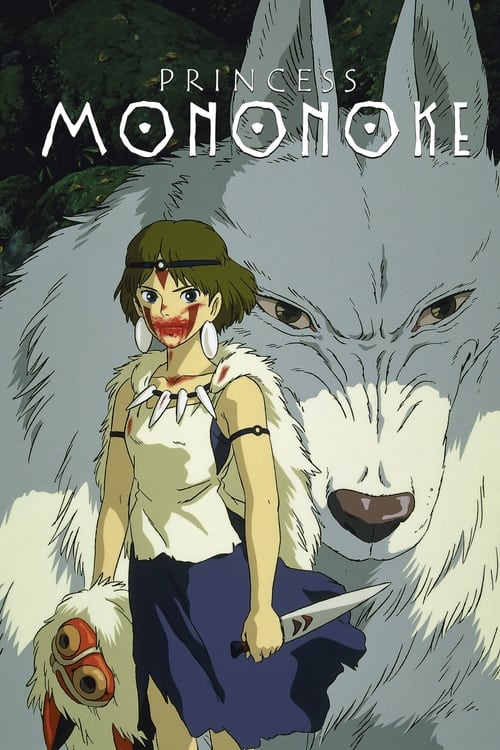
"The fate of the world rests on the courage of one warrior."
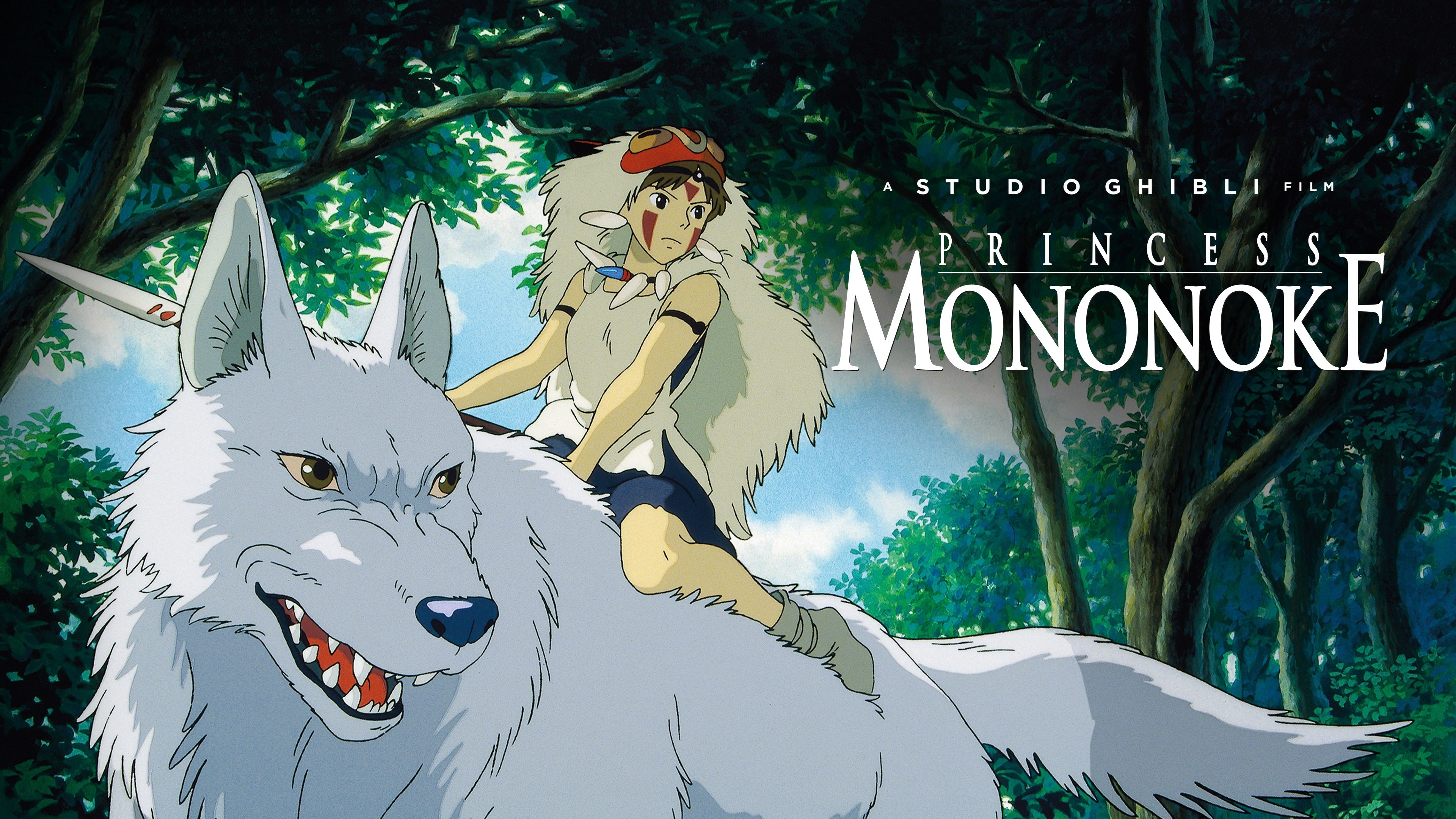
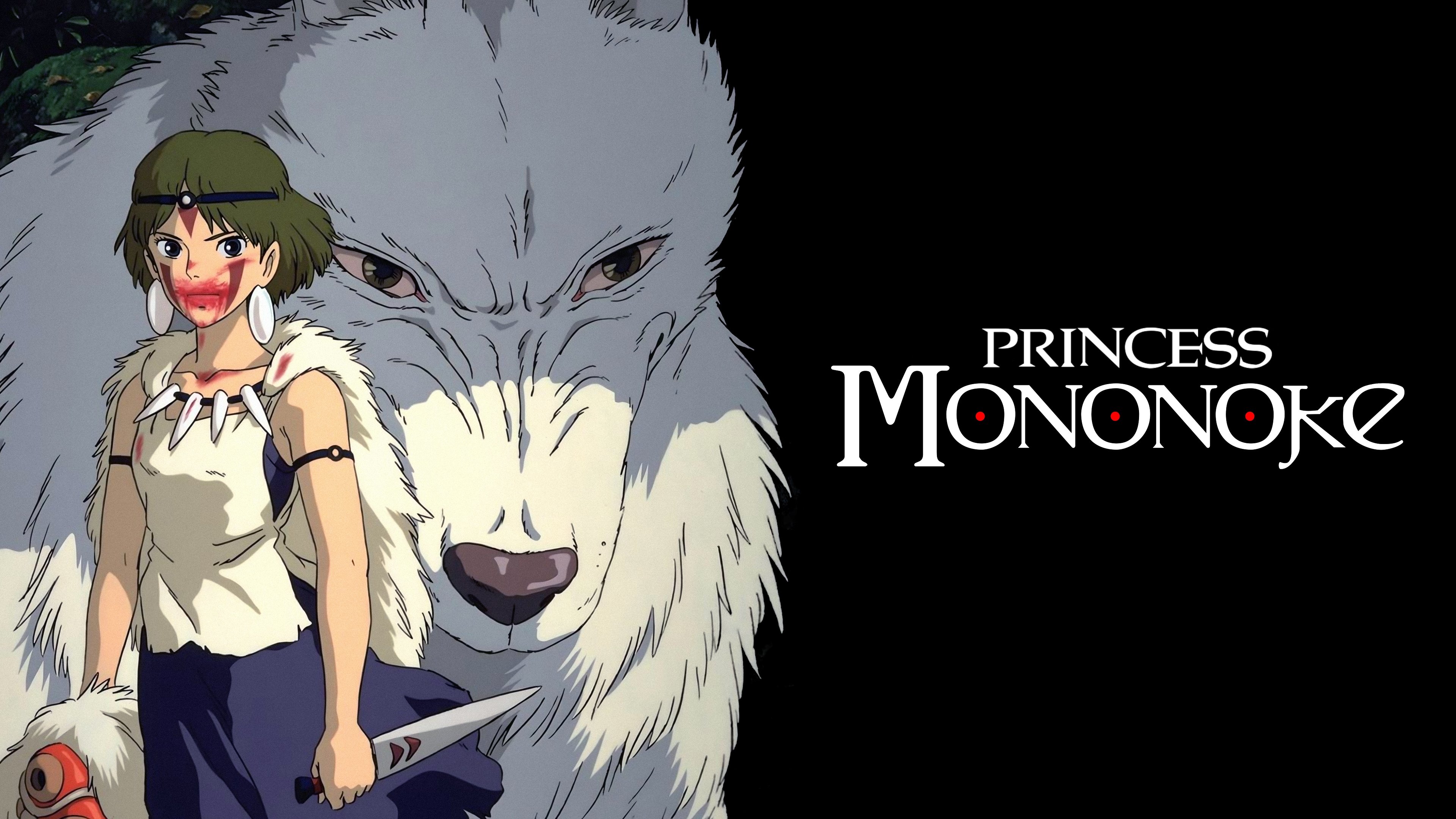
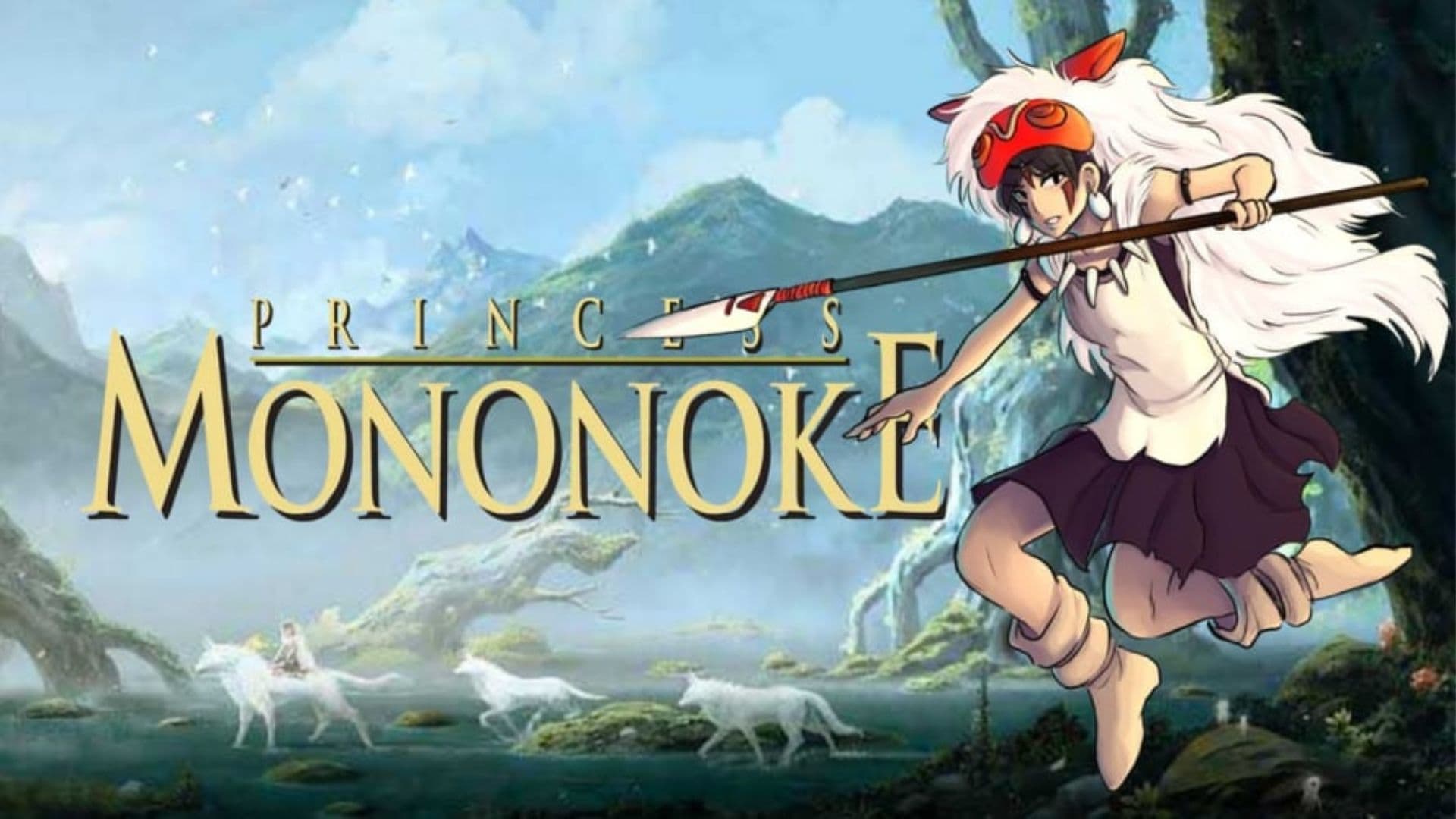
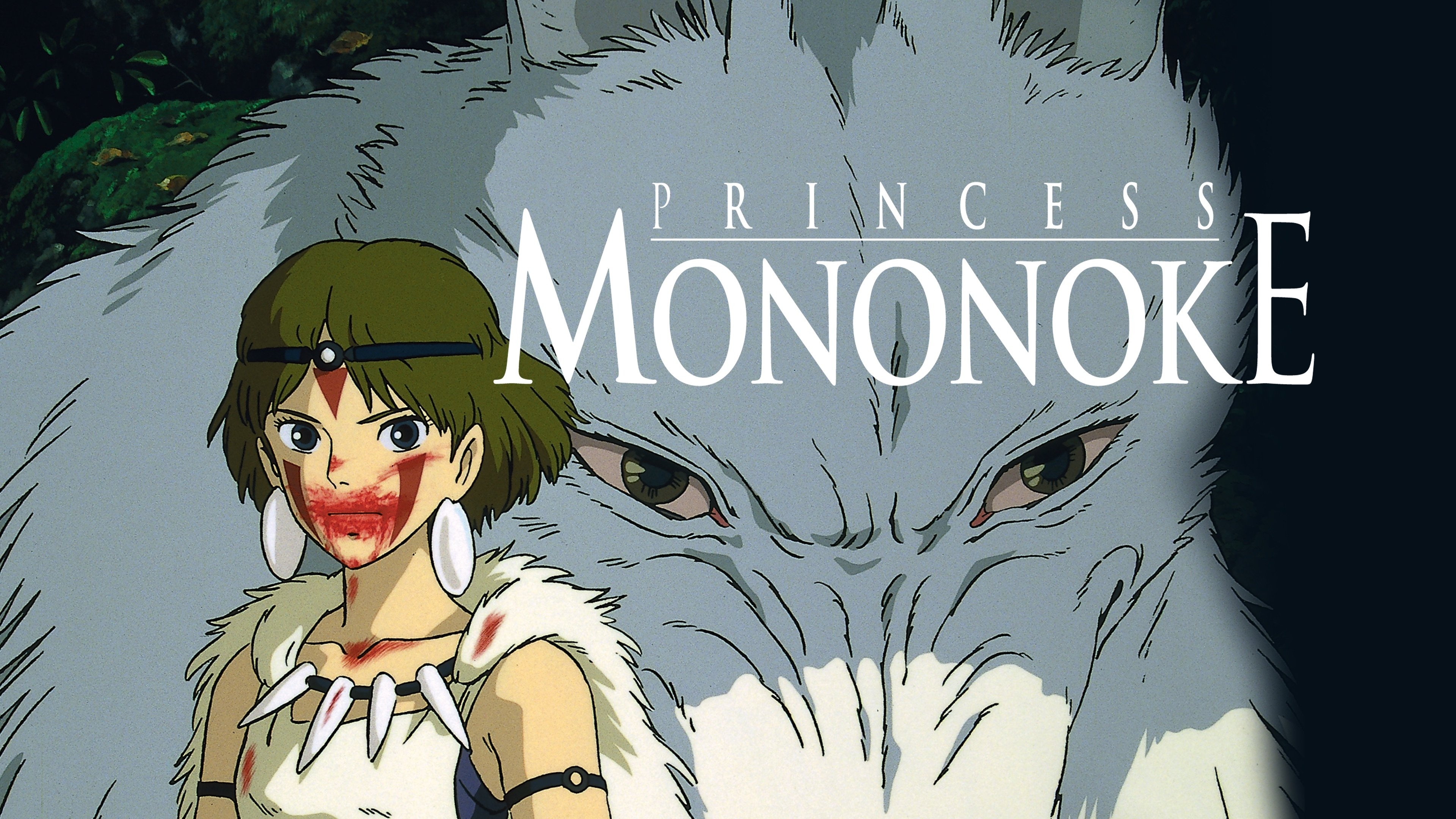
Ashitaka, a prince of the disappearing Emishi people, is cursed by a demonized boar god and must journey to the west to find a cure. Along the way, he encounters San, a young human woman fighting to protect the forest, and Lady Eboshi, who is trying to destroy it. Ashitaka must find a way to bring balance to this conflict.
“The fate of the world rests on the courage of one warrior.”

Yoji Matsuda
Ashitaka (voice)

Yuriko Ishida
San / Kaya (voice)

Yuko Tanaka
Eboshi Gozen (voice)

Kaoru Kobayashi
Jikobo (voice)
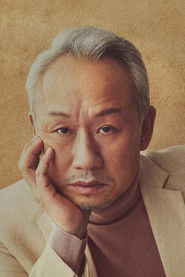
Masahiko Nishimura
Kouroku (voice)
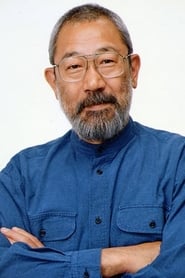
Tsunehiko Kamijô
Gonza (voice)

Akihiro Miwa
Mrs. Moro (voice)

Mitsuko Mori
Mrs. Hii (voice)
Credits
Want more? Switch to Cinephile mode in the header for DP, composer, budget, box office, production companies, keywords, and release history.
Did you know?
Did you know
Grossed $231M — a 11.6× return. The kind of profit studios chase for a decade.
Did you know
29 years old — old enough to be someone's favourite childhood film.
Did you know
Directed by Hayao Miyazaki, shot by Atsushi Okui. Note their partnership — DPs and directors often return to each other across a career.
Did you know
Original score by Joe Hisaishi. Worth a dedicated listen after — most great films lose half their impact without the score.
Did you know
Editor Takeshi Seyama shaped the rhythm. On an edit-heavy film, the editor does more to control your pulse than the director.
Did you know
Yoji Matsuda and Yuriko Ishida and Yuko Tanaka carry the top of the cast.
Did you know
Marketing tagline: "The fate of the world rests on the courage of one warrior.".
Did you know
IMDB entry: tt0119698 — still the authoritative cross-reference for credits and trivia.
Cinephile deep dive
Hayao Miyazaki directs. Atsushi Okui behind the camera. Joe Hisaishi scores. Takeshi Seyama cuts. Made its budget back several times over at the box office. Produced in Japan. Dialogue in Japanese.
Trivia
Awards
14 wins & 6 nominations total
Individual records documented via Wikidata; the summary above may count more.
Also by
Stills · wallpapers
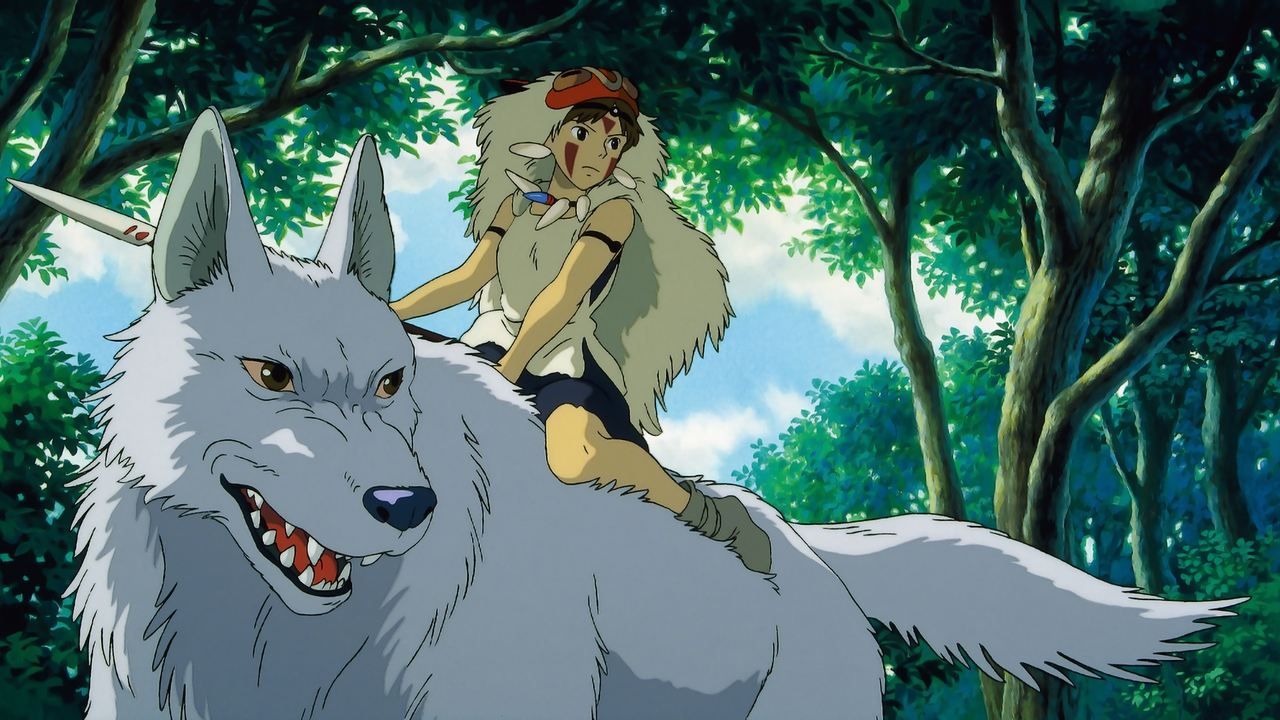
Full-resolution frames — open one to save it as a wallpaper.
Trailers & featurettes
Community reviews
Probably the best movie from Miyazaki. A mixture of old Japanese traditions with the story about the conflict between the industrial human being and the preservation of the Nature.
Hayao Miyazaki's arts have always something to remember us that we are naturally harmonized with mother earth and existences. There is still a bond, if one is hurt another, it means the one suffer itself as well.
Original title: Mononoke Hime The film is set in the 14th Century during Japan’s Muromachi Period. Young Prince Ashitaka, the last royal of his line, slays a wild boar that is about to attack his village. The boar, demonised because it was consumed by rage and hatred, infects the young Prince, who will eventually become demonised too. He leaves the village to find a cure in the form of Shishigami, a deer-like god. On his journey he realises that the latent rage and hatred within him, when it surfaces, gives him enormous power – proven when he slices off the arms of a Samurai warrior and decapitates another one. On his journey, he sees a travelling group of people attacked by a wolf pack. He saves two of the men who, it turns out, are from Irontown, run by the Lady Ishobi. He brings the two men back to Irontown, which is peopled by women who do the foundry-work and chores, and men who provide the security and protection, although even that is not cut and dried as the women are capable of defending themselves with guns being manufactured especially for them by the lepers to whom the Lady Ishobi provides food and dignity. There is much humour when the women verbally chastise their menfolk. I found those scenes hilarious. When Ashitaka brings the men back to Irontown he is welcomed by the Lady Ishobi. He also discovers that the wolf pack was led by the wolf god Moro, and the strange girl he saw help the wolves was San, the adopted daughter of Moro. San has the ability to talk to the nature spirits, and she is therefore known as Princess Mononoke (“Spirits of things”). Ashitaka is concerned that Ishobi is destroying the forest. It turns out that the Lady Ishobi and Moro are in battle because of the damage being done to the forest. To add to this, Ishobi has also recruited Samurai to help her in her fight, but the Samurai have two motives: one is to take the head of the Forest Spirit back to the Emperor, who believes it will give him immortality. The second is to take Irontown from the Lady Ishobi. That is an abstract of the plot. Miyazaki used computer-generated graphics in this for the first time, but most of the film was generated by hand. This I think is to its benefit. The drawing is breathtaking in places, and the depiction of such supernatural events as the Forest Spirit changing into the Nightwalker and the scene of the demon-possessed boar when it emerges from the forest for the first time are spectacular. I think it’s too scary and bloody for children, but a friend assures me that this sort of film is par for the course for children in Japan. The film is over two hours long, and it does pack a lot into that two hours. I found this film very interesting and watchable. I wanted to know what happened, and the plot was certainly not predictable. I believed in the world it depicted. I think in any film you have to allow it to draw you into its world (up to a point, some films are ludicrous and expect too much, this isn’t one of them). Part of the reason for the film’s ability to keep me interested is because the characters cannot be labelled “goodies” and “baddies.” Yes, Moro and his pack are attacking helpless workers, but they are destroying the forest and he needs to protect his way of life. Yes, the Lady Ishobi is destroying the forest, but she’s making a living for herself and is helping others: she has removed the women from servitude in brothels, given them security, work, and a home; some have found husbands or companions. She has provided shelter, home and work for the lepers, normally outcasts. Neither side seems particularly vindictive; Ishobi’s attempts to rid herself of the wolf pack are for self preservation, and her coalition with the Samurai to destroy the Forest Spirit is her attempt to remove the constant threat of attack. One can argue that if she took a more conciliatory view, maybe some sort of truce could be reached, but time and again members of the wolf pack merely say “they are humans, they must be killed” – to the point that even Ashitaki, who has helped the animals – is threatened with death if he does not leave the forest. In fact, one could argue that it is the animals who show a “racist” attitude here – demanding the death of the humans because they are humans. None of the humans in the film demand the death of the animals simply because they are animals. Their deaths, and the destruction of their habitat, are an unfortunate side-effect of the humans’ industrialisation, not a deliberate act. I hope that what you see from my analysis above is that the film is not goodies v. baddies. It’s nature v. industrialisation, and the compromise to that is not an easy one, and the film reflects that. You’ll be happy to know the film does have an upbeat ending, but thankfully it’s not entirely predictable, in my opinion. I thoroughly recommend the film.
Production companies

Studio Ghibli
JP

dentsu
JP

Tokuma Shoten
JP

Nippon Television Network Corporation
JP
Themes & keywords
Release history · US
Also known as
 Movie
Movie2026
 Movie
Movie2013
 Movie
Movie1994
 Movie
Movie2021
 Movie
Movie2020
 Movie
Movie2012
 Movie
Movie2026
 Movie
Movie2025
 Movie
Movie2011
 Movie
Movie2019