

1 / 8
ERA
Did you know
Released 18 years ago.
MoodPlayr · trivia#01
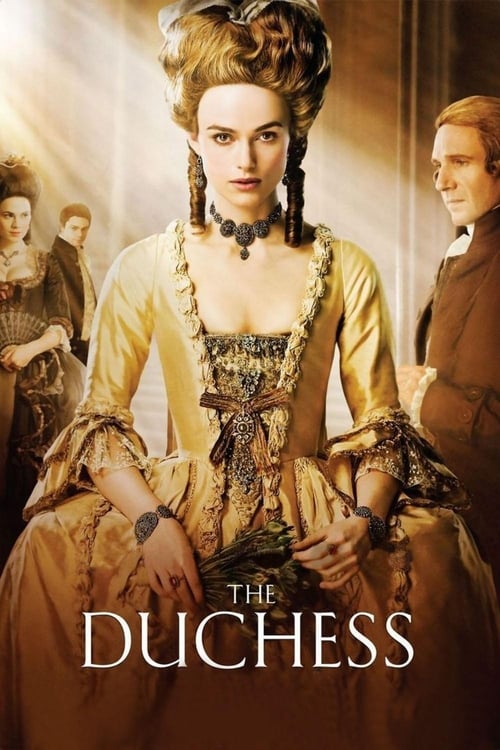
"Based on the incredible true story."
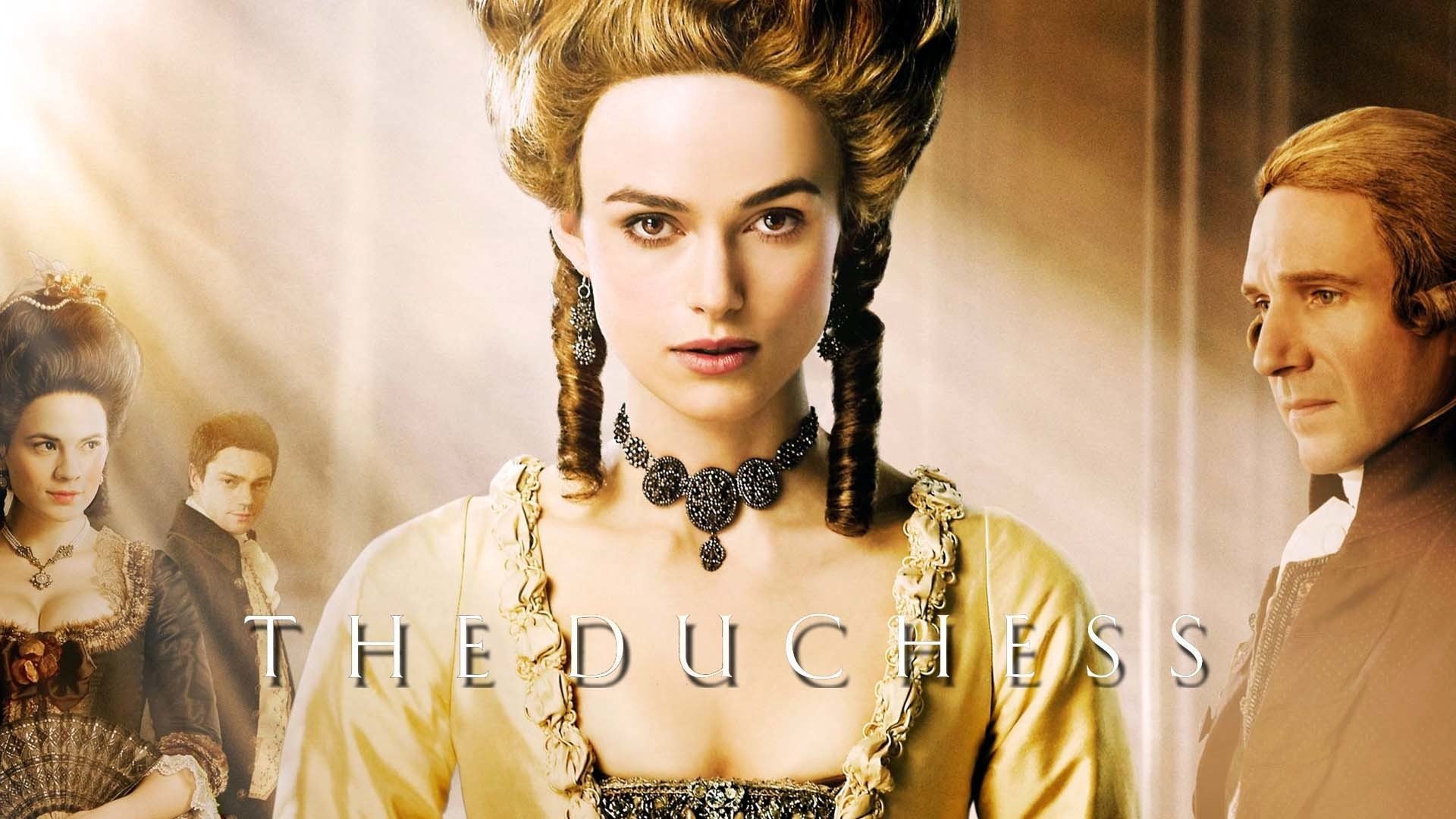
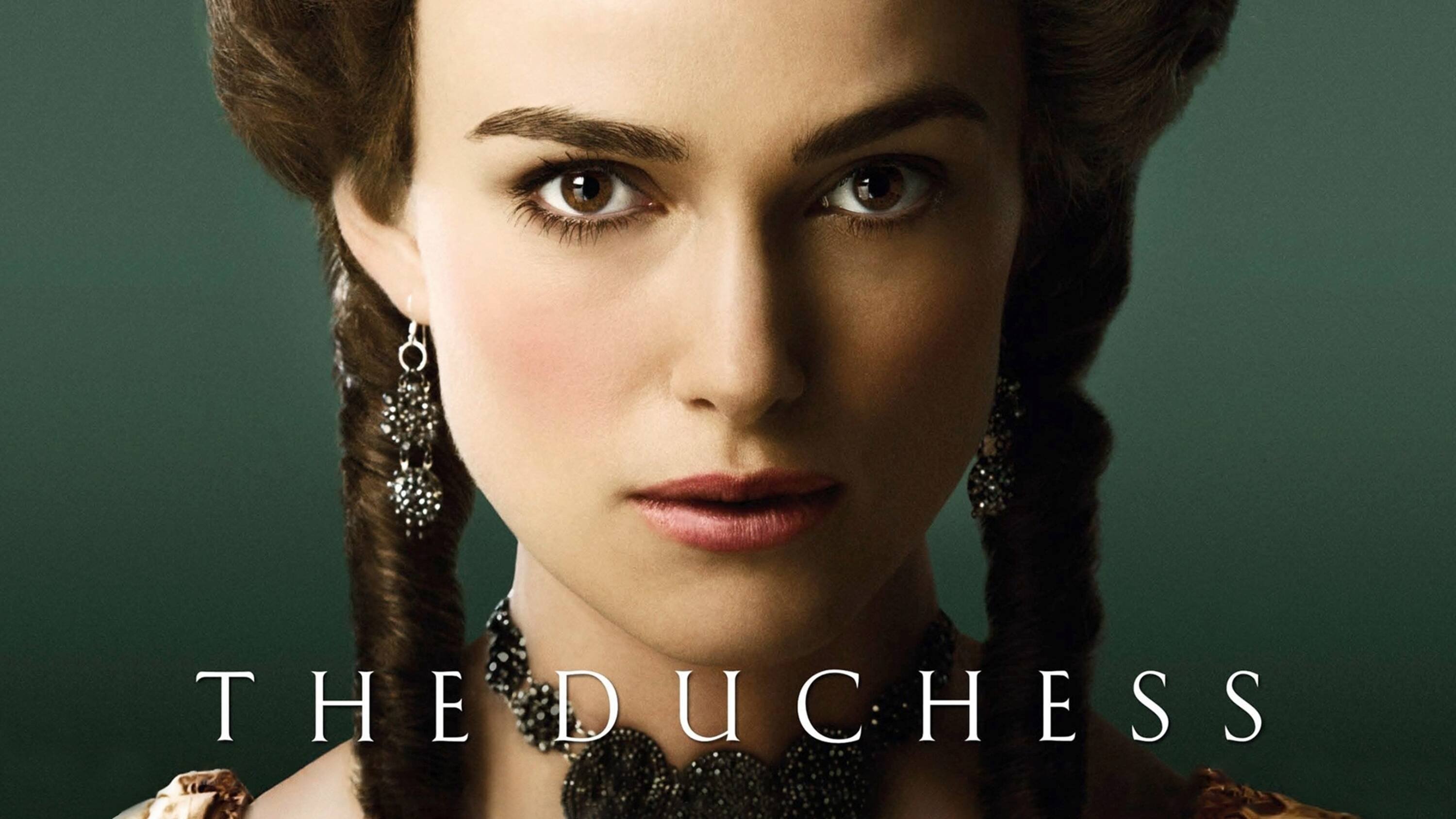
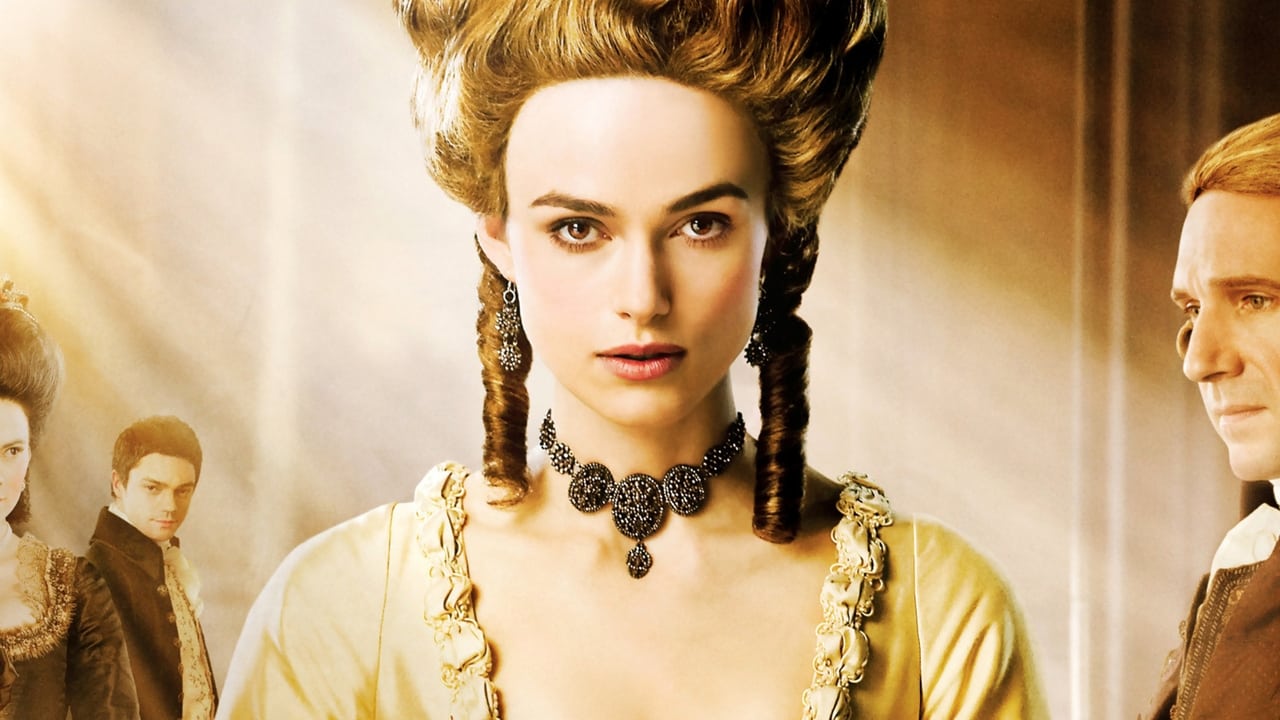
A chronicle of the life of 18th century aristocrat Georgiana, Duchess of Devonshire, who was reviled for her extravagant political and personal life.
“Based on the incredible true story.”

Keira Knightley
Georgiana Cavendish, Duchess of Devonshire

Ralph Fiennes
Duke of Devonshire
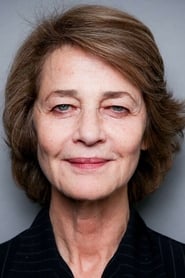
Charlotte Rampling
Lady Spencer
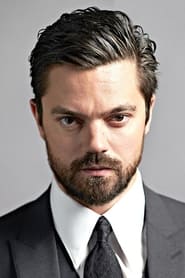
Dominic Cooper
Charles Grey

Hayley Atwell
Bess Foster

Simon McBurney
Charles Fox
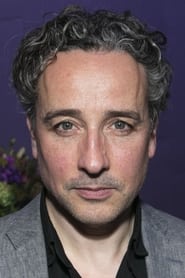
Aidan McArdle
Richard Brinsley Sheridan
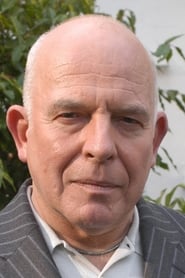
John Shrapnel
General Grey
Credits
Want more? Switch to Cinephile mode in the header for DP, composer, budget, box office, production companies, keywords, and release history.
Did you know?
Did you know
Released 18 years ago.
Did you know
International production across 3 countries: Italy, United Kingdom, France.
Did you know
Directed by Saul Dibb, shot by Gyula Pados. Note their partnership — DPs and directors often return to each other across a career.
Did you know
Original score by Rachel Portman. Worth a dedicated listen after — most great films lose half their impact without the score.
Did you know
Editor Masahiro Hirakubo shaped the rhythm. On an edit-heavy film, the editor does more to control your pulse than the director.
Did you know
Keira Knightley and Ralph Fiennes and Charlotte Rampling carry the top of the cast.
Did you know
Marketing tagline: "Based on the incredible true story.".
Did you know
IMDB entry: tt0864761 — still the authoritative cross-reference for credits and trivia.
Cinephile deep dive
Saul Dibb directs. Gyula Pados behind the camera. Rachel Portman scores. Masahiro Hirakubo cuts. Profitable at the box office. Produced in Italy, United Kingdom, France. Dialogue in English.
Trivia
Awards
Won 1 Oscar. 8 wins & 21 nominations total
Individual records documented via Wikidata; the summary above may count more.
Also by
Stills · wallpapers
Full-resolution frames — open one to save it as a wallpaper.
Trailers & featurettes
Community reviews
A good period film, visually magnificent, but with several flaws from the point of view of accuracy and historical rigor. Georgiana Cavendish, born Spencer, was one of the most interesting, remarkable and charismatic personalities in British society at the end of the 18th century. She made an enviable marriage, for the period, by marrying the 5th Duke of Devonshire, one of the richest and most powerful British peers. However, they had nothing in common: the duke was a man of few words and saw marriage as a means to an end: to have a legitimate male heir. Georgiana, on the other hand, was not content to be just a decorative figure or a child-bearer. Unhappy, she found herself so lonely that she decided to accept the sexual affair that her husband started with her best friend, Lady Foster, who moves in to their house and has adulterous children with him, in a humiliating "ménage à trois" which the Duchess supports in exchange for the friendship of Lady Foster, on whom she becomes emotionally dependent. To this day, the moral attitude of both women is debatable, and also the extent to which Lady Foster didn't seek, from the beginning, to replace Georgiana, whom she envied and befriended in equal measure. For the rest, we know that the three elements of this love triangle were not faithful, keeping, each one for himself, other affairs and sexual engagements outside this arrangement. When the Duchess became pregnant by one of her lovers, the much younger Charles Gray, she was forced to travel to France, where she gave birth, maintaining for the rest of her life a close but discreet relationship with her adulterous daughter. Upon returning to London, Georgiana changed: by accepting her conjugal situation, she began to look for a series of escapes and distractions that would make her existence bearable: her presence at parties and balls made her a fashion icon, and her support for the Whig Party influenced the course of British politics at the time. The hapless Georgiana developed a ruinous gambling addiction, perhaps depression and even an eating disorder, factors that greatly contributed to her rapid decline in health. She died early, with many debts, many admirers and some literary works published. All this is the short story of this intriguing historical figure. The film, directed by Saul Dibb and starring Keira Knightley, takes a very light approach to her life, and sometimes fails to be faithful to historical facts (warning), even though it delights us visually. In fact, the production values are high, and the highlight is clearly the detailed and well-made costumes, and the sets, many of them handpicked from the most luxurious palatial interiors, capable of instantly transporting us to the time. And context. Also, the cinematography and filming work were well done, as well as the soundtrack, signed by Rachel Portman, is very good, making good use of various pieces of baroque music. The biggest negative criticism I feel I have to make is the editing work, which makes us waste a lot of time on minor details, causing the film to take on an uneven pace. The sense of time passing was not done properly either: we never quite understand the passage of years, since the characters don't age and nothing changes. As for the cast, I think it's fair to congratulate Keira Knightley's work. The actress already has a long history of period films and seems to have developed a certain predilection for this type of dramatic work, so I felt quite comfortable with the role and the character. The way she played opposite and related to Ralph Fiennes is very good, and the actor is excellent in the way he assumes the reserved, distant and sometimes rude ways of the duke, whom she makes an unpleasant and morally controversial figure. Hayley Atwell was also very good in the role of Lady Foster, although she was not able to give the character the moral nuances and ambiguity that the historical character deserved to have. The film also has good minor appearances from Charlotte Rampling and Simon McBurney. Dominic Cooper did what he could in the role of Charles Gray, but I couldn't help but think the actor was too old for the character, who was several years younger than the Duchess.
In theory, a more sophisticated period drama based on the true story of Georgiana (Keira Knightley), an aristocrat married off to a loveless marriage with the enormously wealthy and politically influential Duke of Devonshire (Ralph Fiennes). She is treated little better than a brood mare in fancy dress but has way to much independent spirit to settle for that and is soon having an affaire de coeur with Dominic Cooper "Earl Grey" (yes, he of the tea...). Meantime, the Duke has taken a mistress and so the film depicts how our multiple ménages-à-trois work out. It very much emphasises the (very) limited choices of women in 18th Century Britain - regardless of their status - but unfortunately, save for a few brief appearances by Charlotte Rampling - the characterisations were way too sterile for me. It is a great looking costume drama, though - some of the finest stately homes shown off to their best effect but in the end it was much more style than substance.
Production companies

Pathé Renn Productions
FR

BBC Film
GB

BiM Distribuzione
IT

Qwerty Films
GB

Magnolia Mae Films
GB
Themes & keywords
Release history · US
Also known as
 Movie
Movie1969
 Movie
Movie2005
 Movie
Movie2017
 Movie
Movie2008
 Movie
Movie2015
 Movie
Movie2012
 Movie
Movie2017
 Movie
Movie2015
 Movie
Movie1946
 Movie
Movie1986