

1 / 8
MONEY
Did you know
Mid-budget at $52M — the now-extinct middle tier of Hollywood.
MoodPlayr · trivia#01
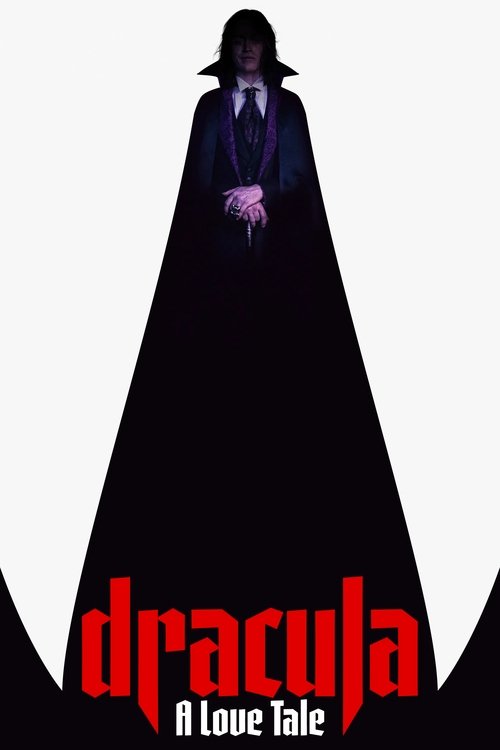
"He renounced his faith to become immortal. Passion, anger, vengeance, and hatred will be unleashed into the modern world."
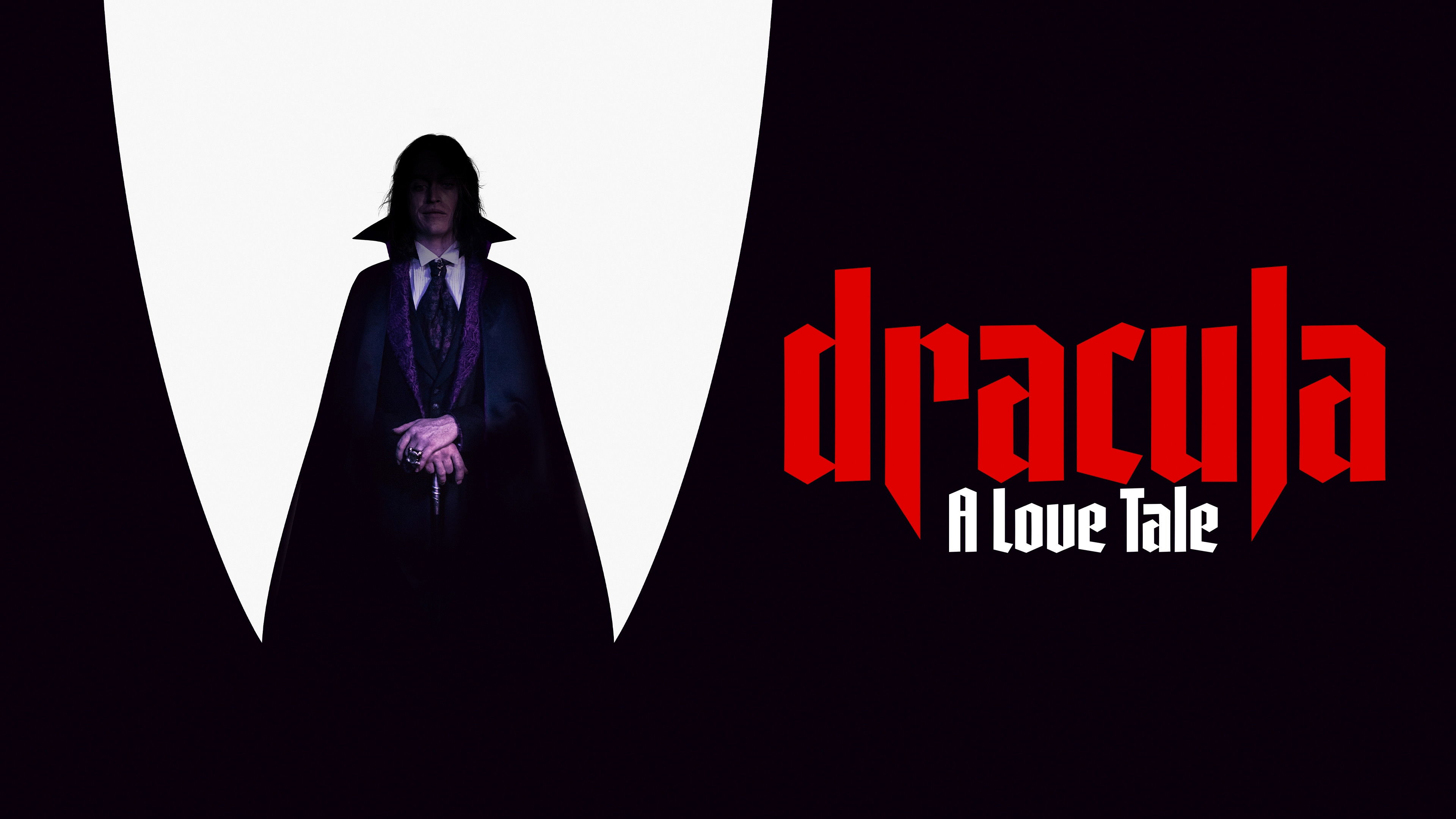
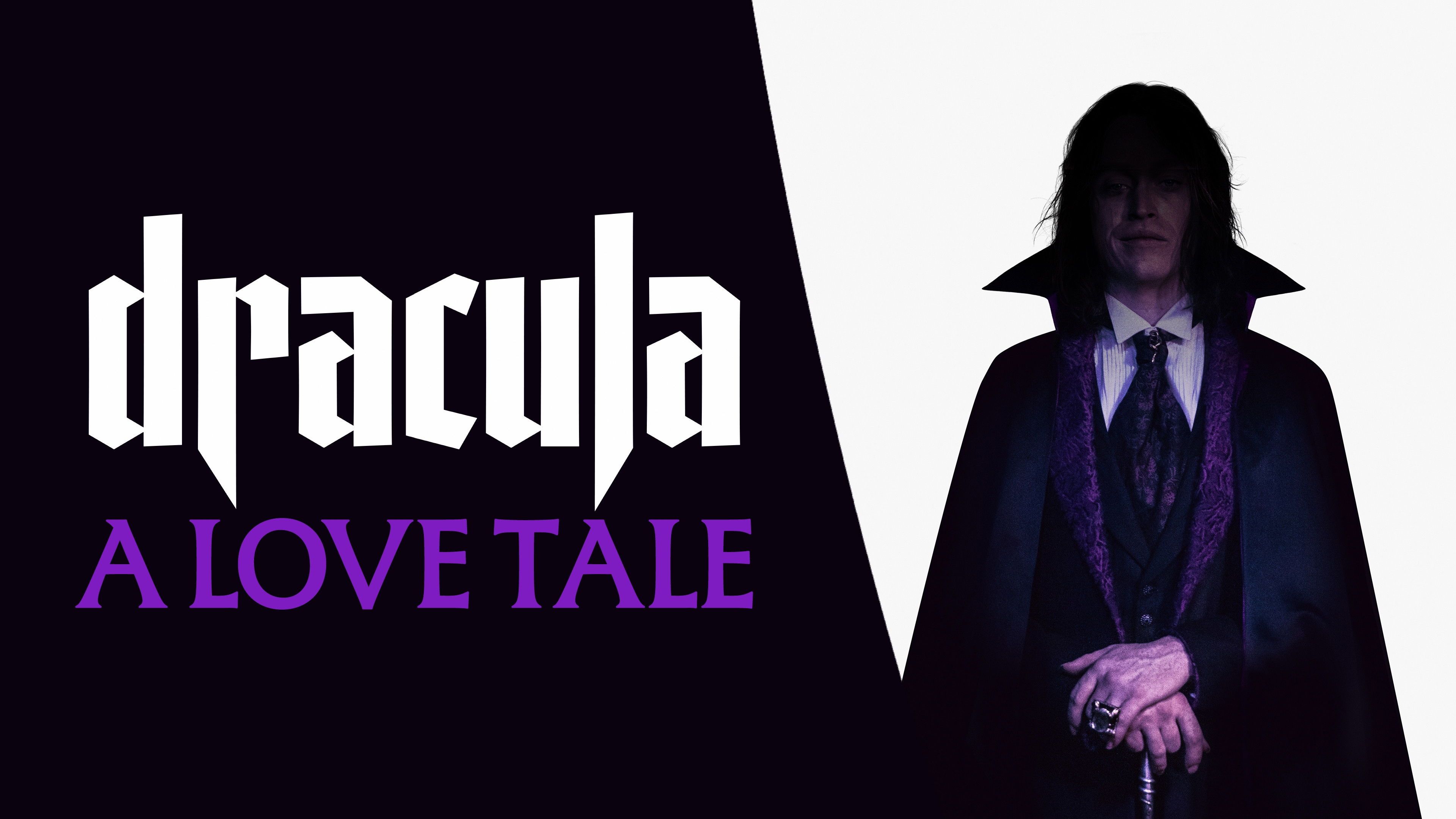
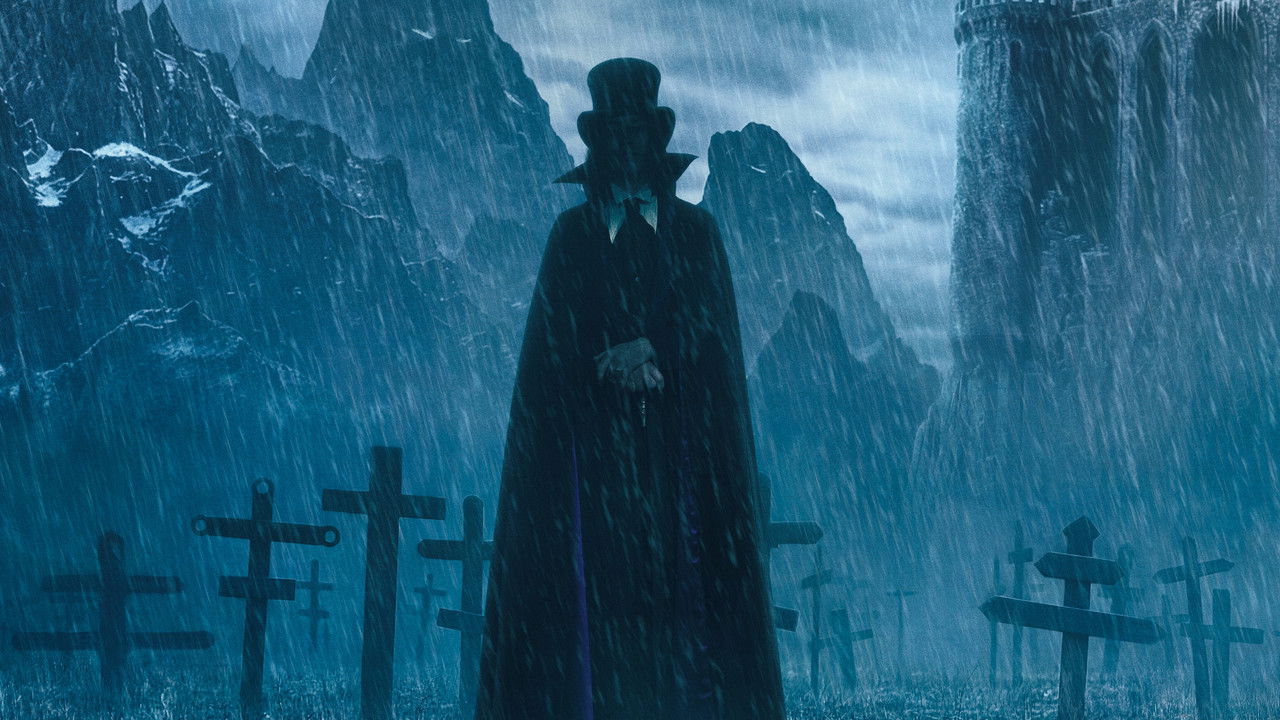
In late 15th-century Eastern Europe, Prince Vlad II’s bride is brutally murdered. As a result, he renounces God and damns Heaven itself. Cursed with eternal life, Vlad is reborn as Dracula, an immortal warlord who defies fate in a blood-soaked crusade to wrench his lost love back from death.
“He renounced his faith to become immortal. Passion, anger, vengeance, and hatred will be unleashed into the modern world.”
Where to watch · US

Caleb Landry Jones
Vlad / Dracula
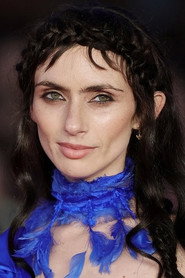
Zoë Bleu Sidel
Elisabeta / Mina

Christoph Waltz
Priest
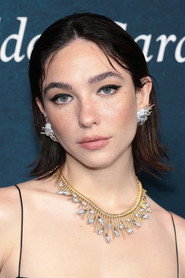
Matilda De Angelis
Maria

Ewens Abid
Jonathan Harker
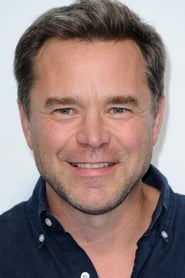
Guillaume de Tonquédec
Dumont
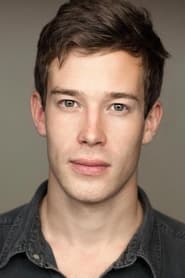
David Shields
Henry Spencer
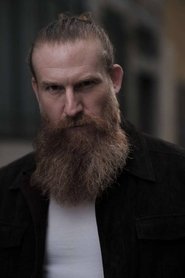
Bertrand-Xavier Corbi
Captain Targol
Credits
Want more? Switch to Cinephile mode in the header for DP, composer, budget, box office, production companies, keywords, and release history.
Did you know?
Did you know
Mid-budget at $52M — the now-extinct middle tier of Hollywood.
Did you know
Earned back only 82% of its budget on initial theatrical — a commercial disappointment on release.
Did you know
Released last year.
Did you know
Dialogue crosses 3 languages: English, German, Romanian.
Did you know
607+ people credited in cast and crew — a small city's worth of labour.
Did you know
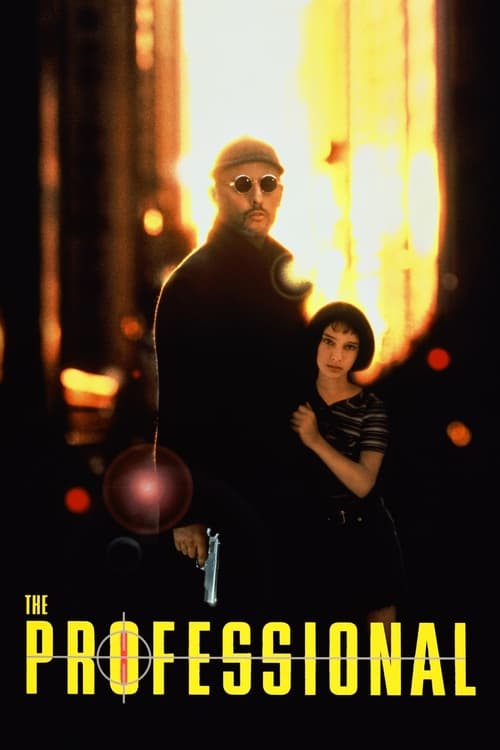
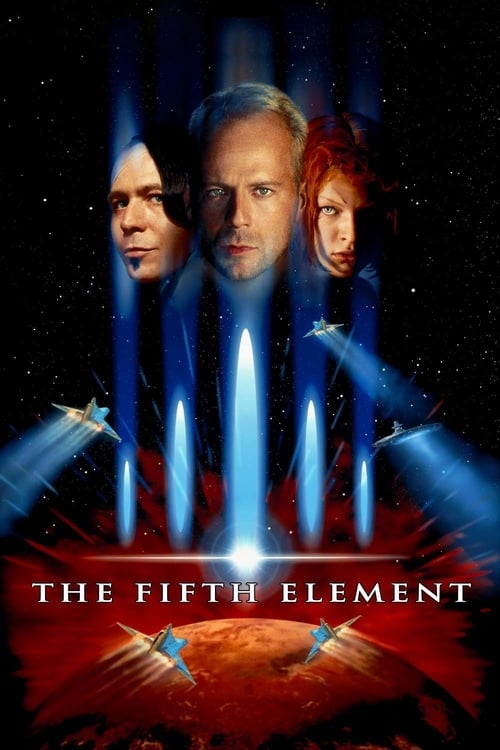
Directed by Luc Besson, shot by Colin Wandersman. Note their partnership — DPs and directors often return to each other across a career.
Did you know
Original score by Danny Elfman. Worth a dedicated listen after — most great films lose half their impact without the score.
Did you know
Editor Lucas Fabiani shaped the rhythm. On an edit-heavy film, the editor does more to control your pulse than the director.
Cinephile deep dive
Luc Besson directs. Colin Wandersman behind the camera. Danny Elfman scores. Lucas Fabiani cuts. A commercial under-performer on release. Produced in France. Dialogue in English, German, Romanian.
Trivia
Also by
Stills · wallpapers
Full-resolution frames — open one to save it as a wallpaper.
Trailers & featurettes
Community reviews
I rather like the fact that Luc Besson has gone off and done his own thing, with "Dracula". This film freshly blends fantasy, romance, action and a dash of horror. There are lots of creative, dramatic aspects to this story. Its Dracula writ-large. Where it falls down somewhat is its rather abrupt final scenes. There's no real build up, things just happen, leaving it feeling somewhat perfunctory. In summary, this is a creative, elaborately cinematic take, on the Dracula myth, with lots of lavish, over the top trappings. Certainly worth a look.
Unlike other recent adaptations that feel the need to lecture the audience, this film is a refreshing, unapologetic return to pure Gothic romanticism and high-stakes melodrama. By focusing entirely on the 400-year grief of Vlad and his search for Elisabeta, the film feels like a genuine piece of art rather than a product of a corporate checklist. The decision to transplant much of the action to a visually stunning, turn-of-the-century Paris adds a layer of aesthetic grandeur that differentiates it from every other version we've seen. Caleb Landry Jones delivers a career-defining performance, capturing a version of the Count that is equal parts terrifying predator and broken, soulful widower; his intensity makes you believe in the "oceans of time" he has crossed. Christoph Waltz is equally brilliant as the unnamed priest, bringing a grounded, cynical weight to the hunt that balances the more fantastical elements of the story. The production design is a masterclass in atmosphere—from the intricate, period-accurate costuming to the moody, chiaroscuro lighting—creating a world that feels lived-in and appropriately dark. It is a rare example of a director being allowed to follow his specific vision to its logical, tragic conclusion without interference. For anyone tired of "modernized" takes on classics, this is the definitive, faithful-in-spirit adaptation that proves Dracula is still the king of the monsters when handled with actual respect for the source's emotional core.
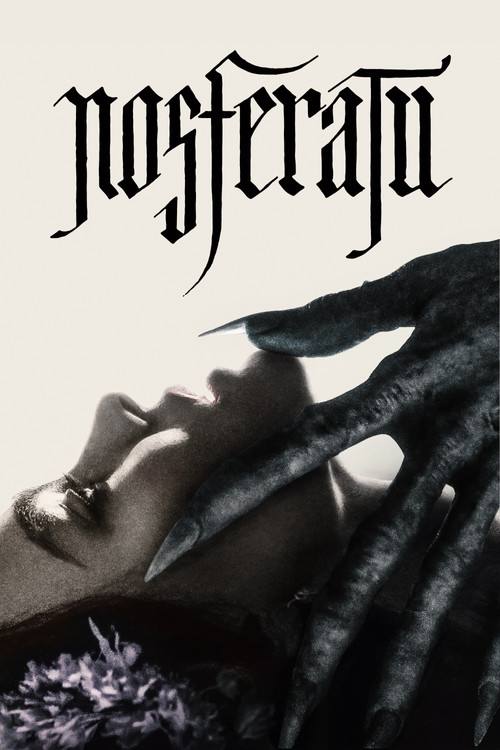
Luc Besson basically tries to top Coppola’s 1992 film The man behind 2014’s entertaining “Lucy” offers his cinematic version of Bram Stoker’s 1897 Gothic horror novel, obviously influenced by Coppola’s rendition from 33 years earlier. Thankfully, there are enough differences to make it worth catching. For instance, Besson adds creative curves, like undead Vlad’s developing a perfume that lures women to him and his subsequent visit to a nunnery, not to mention Dracula’s helpers, who were obviously inspired by the 1965 Jonny Quest episode “The House of Seven Gargoyles.” Another difference is that he consolidates several people into one. I’m talking about Maria, played by Matilda De Angelis, who’s essentially a merging of Renfield, Sadie Frost’s character, and Drac’s three brides. So, which is better? They’re both worth viewing and comparing since each has their strengths. Coppola’s film, despite its attributes, gets bogged down in the second half by trying to follow the book whereas this one keeps things dramatically compelling by imaginatively focusing on the love story and Van Helsing’s attempts to track down the creature. Speaking of Van Helsing, Christoph Waltz is great as the Van Helsing-like priest. I should add how this one elaborates on two things that Coppola’s film ignored. It explains why Vlad adamantly believes Elisabeta is going to be reincarnated and, secondly, it elucidates the divine curse and resultant immortality that Dracula suffers. Both movies are tragic-romantic love stories set within a lush Victorian Gothic world. There’s some horror, and the corresponding creepy elements, naturally, but these flicks aren’t very scary. For that, check out Robert Eggers’ “Nosferatu” from 2024. It runs 2h 9m and was shot Mar-Jul 2024 in Kainuu, Finland, including Kuhmo, which is a 6½-hour drive north of Helsinki, as well as the Paris Region, including Dark Matters studios in Tigery, which is a 42m-drive southeast of the city (and is permanently closed as of late 2024). GRADE: A-/B+
Production companies

EuropaCorp
FR

TF1 Films Production
FR
SND
FR

Kinology
FR
Actarus Productions
FR
LBP
FR
Themes & keywords
Release history · US
Also known as