1 / 5
RUNTIME
Did you know
Tight 56-minute runtime — shorter than most television pilots.
MoodPlayr · trivia#01
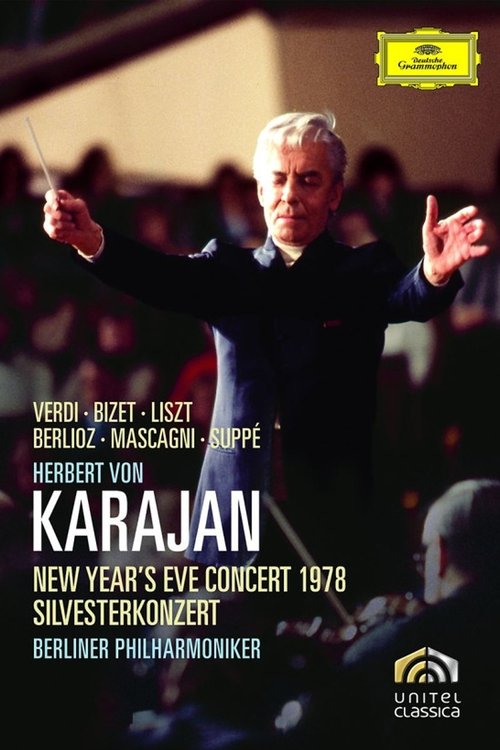
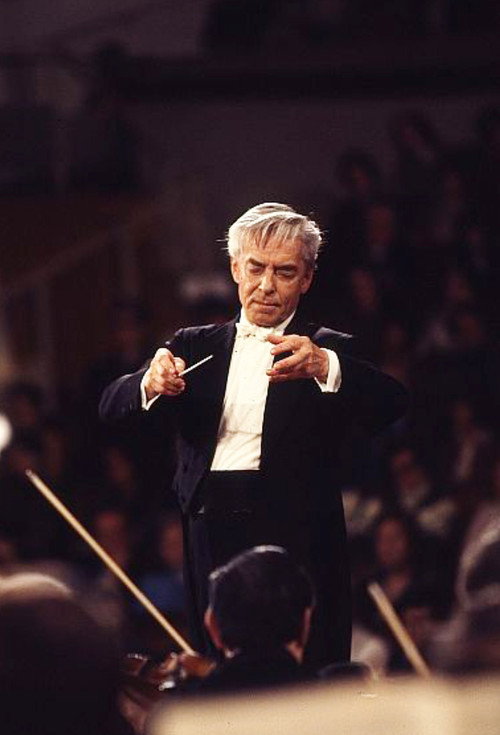
Karajan had been appointed music director for life of the Berlin Philharmonic in 1955, and soon the orchestra mastered the entire palette of Karajan's subtly defined phrasings, moods and orchestral colors. At home in the majesty of Bruckner or the raw power of Beethoven, the orchestra was also able to "let go" with Suppé or a Lisztian Hungarian Rhapsody, as the recording illustrates. For the 1978 New Year's Eve concert with the Berlin Philharmonic, Karajan put together a program of exclusively popular classical works, pieces that would guarantee a bubbly good time. Following Verdi's Overture to "La forza del destino" are the two major works of the program, Bizet's Arlésienne Suite No. 2 and Liszt's Hungarian Rhapsody No. 2. The Hungarian March, or "Rákóczy March," from Berlioz's "La damnation de Faust" never fails to rouse listeners with its instrumentation. The program closes with the Intermezzo from Mascagni's "L'amico Fritz" and the popular Overture to "Leichte Kavallerie" by Suppé.
“Some stories are better left unspoiled.”

Herbert von Karajan

Berlin Philharmonic
Credits
Want more? Switch to Cinephile mode in the header for DP, composer, budget, box office, production companies, keywords, and release history.
Did you know?
Cinephile deep dive
Herbert von Karajan directs. Runs lean at under 100 minutes. Produced in Germany.
Trivia
Also by


Trailers & featurettes
Production companies

Unitel
DE

Deutsche Grammophon
DE
Themes & keywords
Release history · US
 Movie
2026
 Movie
2017
 Movie
1951
 Movie
2025
 Movie
2024
 Movie
2018
 Movie
1999
 Movie
1983
 Movie
2022
 Movie
2019