1 / 8
ERA
Did you know
Released 2 years ago.
MoodPlayr · trivia#01
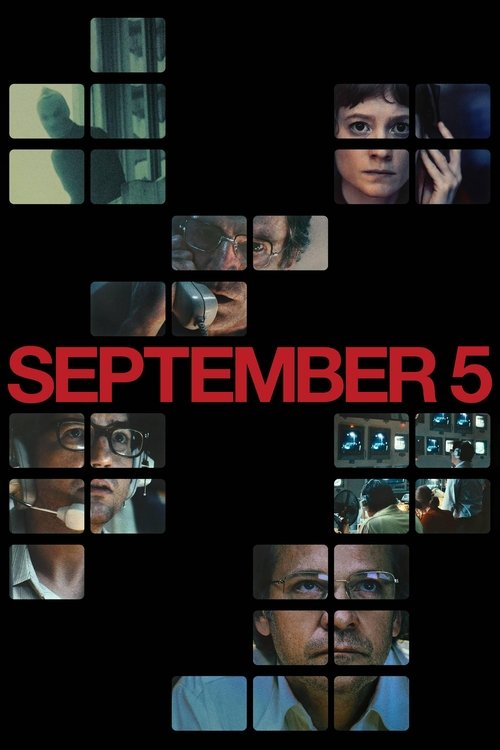
"The day terror went live."
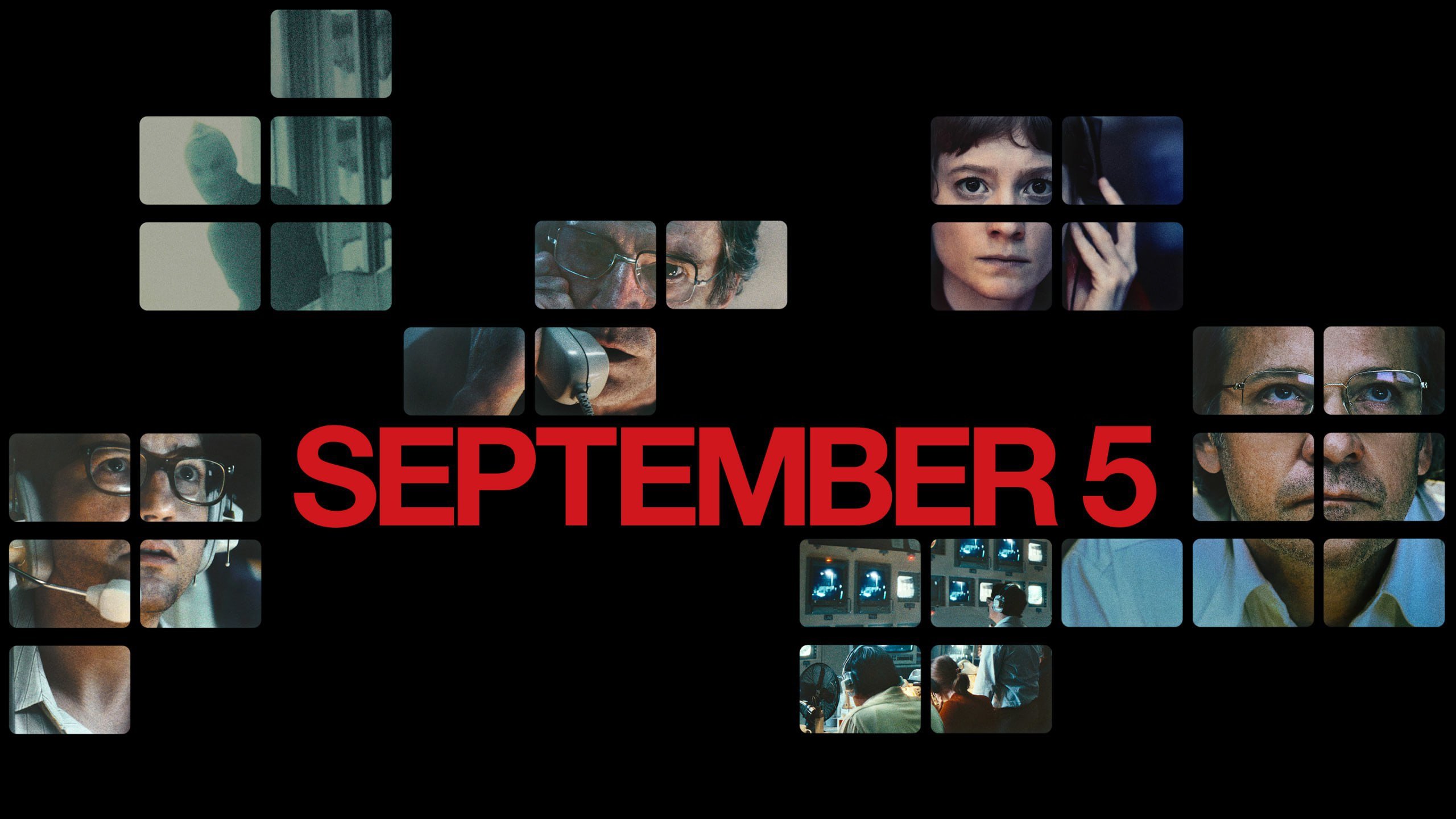
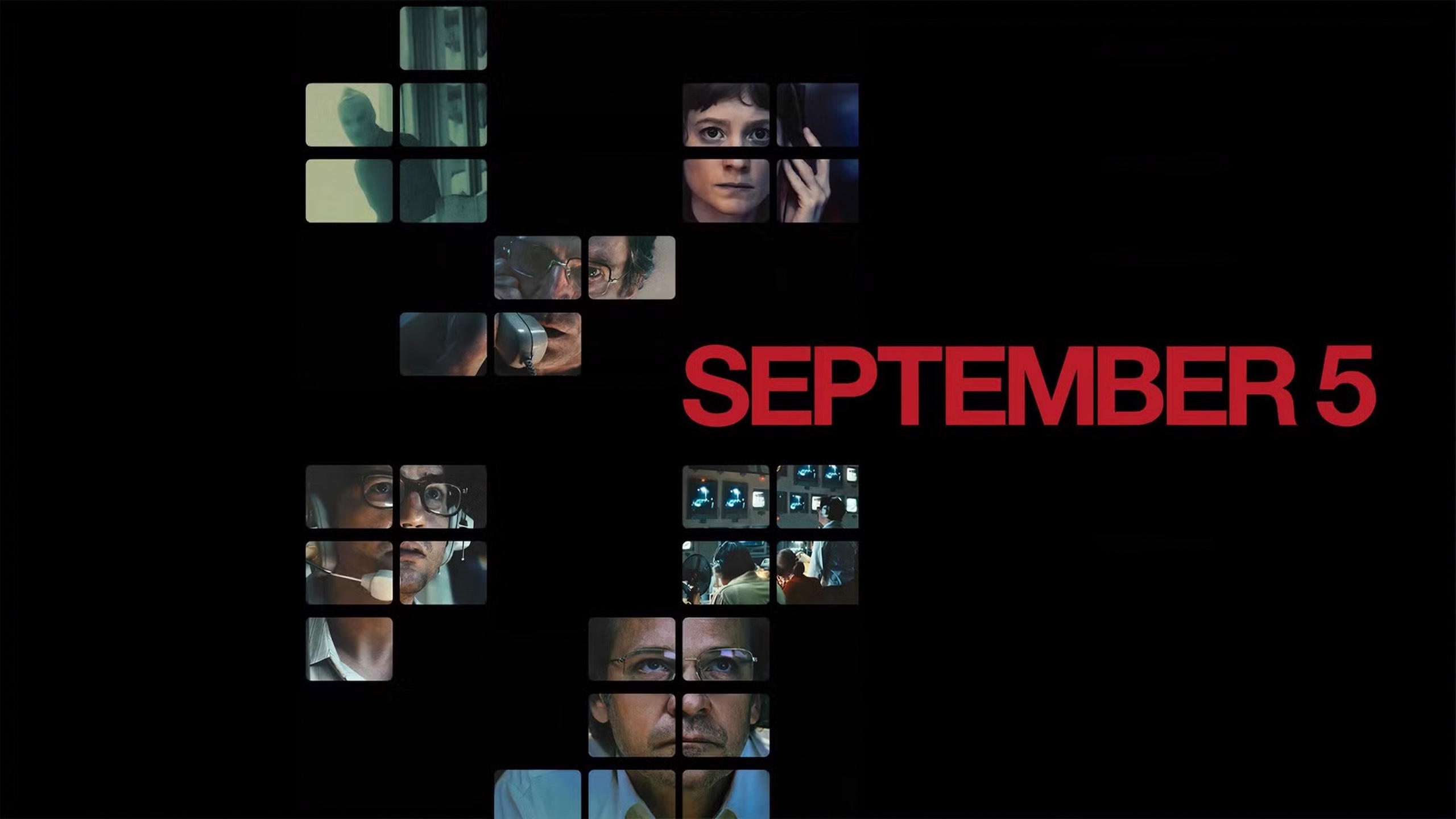
During the 1972 Munich Olympics, an American sports broadcasting crew finds itself thrust into covering the hostage crisis involving Israeli athletes.
“The day terror went live.”
Where to watch · US
 Amazon Prime VideoSubscription
 fuboTVSubscription
 MGM+ Amazon ChannelSubscription
 Paramount Plus PremiumSubscription
 Paramount Plus EssentialSubscription
 PhiloSubscription
 Paramount+ Amazon ChannelSubscription
 Paramount+ Roku Premium ChannelSubscription
 Amazon Prime Video with AdsSubscription
 JustWatch TVRent
 Amazon VideoRent
 Apple TV StoreRent
 Google Play MoviesRent
 YouTubeRent
 Fandango At HomeRent
 FlixFlingRent
 PlexRentAmazon VideoBuyApple TV StoreBuyGoogle Play MoviesBuyYouTubeBuyFandango At HomeBuy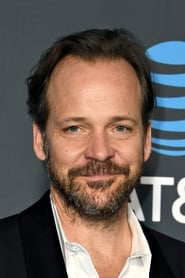
Peter Sarsgaard
Roone Arledge

John Magaro
Geoffrey Mason
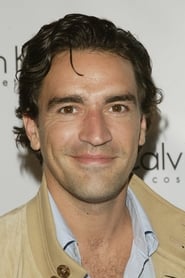
Ben Chaplin
Marvin Bader

Leonie Benesch
Marianne Gebhardt
Zinedine Soualem
Jacques Lesgards

Georgina Rich
Gladys Deist
Corey Johnson
Hank Hanson

Marcus Rutherford
Carter Jeffrey
Credits
Want more? Switch to Cinephile mode in the header for DP, composer, budget, box office, production companies, keywords, and release history.
Did you know?
Did you know
Released 2 years ago.
Did you know
Dialogue crosses 3 languages: German, English, Hebrew.
Did you know
International production across 2 countries: Germany, United States of America.
Did you know
Directed by Tim Fehlbaum, shot by Markus Förderer. Note their partnership — DPs and directors often return to each other across a career.
Did you know
Original score by Lorenz Dangel. Worth a dedicated listen after — most great films lose half their impact without the score.
Did you know
Editor Hansjörg Weißbrich shaped the rhythm. On an edit-heavy film, the editor does more to control your pulse than the director.
Did you know
Peter Sarsgaard and John Magaro and Ben Chaplin carry the top of the cast.
Did you know
Marketing tagline: "The day terror went live.".
Cinephile deep dive
Tim Fehlbaum directs. Markus Förderer behind the camera. Lorenz Dangel scores. Hansjörg Weißbrich cuts. Runs lean at under 100 minutes. Produced in Germany, United States of America. Dialogue in German, English, Hebrew.
Trivia
Awards
Nominated for 1 Oscar. 24 wins & 30 nominations total
Also by
Stills · wallpapers
Full-resolution frames — open one to save it as a wallpaper.
Trailers & featurettes
Community reviews
It’s invariably disappointing when a movie you’ve been looking forward to seeing doesn’t live up to expectations. But such is the case with the latest offering from writer-director Tim Fehlbaum. This re-creation of the day when Black September terrorists took members of the Israeli Olympic team hostage at the 1972 Munich Summer Games, sadly, misses the mark on many fronts. As told from the perspective of the ABC sportscasting crew covering the story, the film comes up short in conveying the sense of urgency and immediacy associated with this human tragedy, which was broadcast live around the globe and is said to have attracted more viewers than Neil Armstrong’s 1969 moon landing. While the picture is to be commended for its apparent authenticity and insights at capturing the events and mood inside the broadcast headquarters, much of the narrative nevertheless descends into a talky, overly technical take on what was transpiring around the TV crew, not a particularly effective way of depicting the nature of an event that shook the world and inevitably changed the way on which crisis situations are reported. While I certainly was not looking for sensationalist treatment here, I also wasn’t expecting to be bored by its clumsy, underwhelming chronicling of circumstances that had the globe on the edge of its seat. The depiction of this scenario, including the coverage of the particulars of that day, as well as examination of the myriad moral implications involved in their televised presentation, fail to captivate viewers on the same way as the events themselves did. I personally remember this fateful day quite well as one that became indelibly etched into the memory of an impressionable 15-year-old – and one that played a critical role in my eventual decision to pursue an education and career in journalism. Because of that, perhaps I expected too much from this release. Perhaps I had unrealistic hopes that an entertainment vehicle could live up to the compelling journalistic portrayal of an event such as this. Either way, though, that doesn’t make up for the disappointment associated with the telling of this story. In a world plagued by as many catastrophes as we experience these days, one could argue that we needn’t be reminded of those that are now behind us. But, if we choose to embrace the notion of “never forget” associated with such traumatic incidents, it behooves those behind such painful commemorations to make sure that their impact unmistakenly comes through, something that is definitely not the case with this offering.
<em>'September 5'</em> is based upon a true story, one that I had somehow not really known about - despite being into sports, albeit not a big Olympics guy. The event in question did ring tiny bells in my head pre-watch, but oddly not as much as other Olympic events would have. As such, I didn't actually know how this story was going to play out. That was actually very beneficial, as I was moving up and down with all the dramatic and disturbing developments. This film portrays its plot tremendously, they set the perfect vibe and pace throughout. The acting is also of good quality. John Magaro is the one who impressed me most, though Peter Sarsgaard, Ben Chaplin and Leonie Benesch are also excellent. It's fascinating to see it all from the media's perspective, especially in terms how they broadcast; e.g. the onscreen graphics.
I worked in sports broadcasting for 30 years, including at the Olympics in Atlanta when a story of a similar nature to this one broke around the bombing in Centennial Park. Even though we’d moved on a few decades since this scenario, there are still similarities that ring true between this representation of what might have happened in the studio gallery of ABC and what happened in 1996. They are off the air and everyone is getting some rest after a long day when news begins to filter through that there have been gunshots. The programme producer Geoff Mason (John Magaro) summons help from his boss Marv (Ben Chaplin) and from his boss Roone (Peter Sarsgaard). With information limited and their access to an interpreter even more so, they recruit the services of the versatile Marianne (Leonie Benesch) and jury-rigging their comms, wheeling an half-ton camera out onto the concourse and fighting internal battles to avoid the all-powerful news division from muscling in on the operation, this team have to live on their nerves and instinct as they try to convey this breaking news to their population watching at home. It’s quite interesting that a quick flick around the channels available to them reveal they are the only people broadcasting so they press on doing what their journalistic instincts tell them to - and it has to be said, with great ingenuity as walkie-talkies and hard-wired kit were all that was available and official sources were obviously not obsessed with keeping the media briefed as it transpired that “Black September” had killed one and taken another eleven Israelis hostage. Tim Fehlbaum does well to keep the pace taut here as the day’s events unfold, and to give us an illustration of just how tough it was to verify sources whilst trying to stay one step ahead of the competition from people who might not have had the boots on the ground, but who did have ownership of the satellite. One of the reasons that they were the only live broadcaster was that the principal European broadcasters (RAI, France Televisions and the BBC) had already discussed the dangers of the terrorists actually watching the closed-circuit feeds available throughout the Olympic village, and so their sports teams were not broadcasting anything useful. Sadly, that isn’t something that dawns on these guys as the penny begins to drop that they are essentially providing the captors with some external coverage of the authority’s activities in/around the building. Unfortunately, for me, the sort of biggest, best, first, hyperbole that now follows rather undermined what could have been a really quite compelling look at how live television has to react in fluid situations like this. The dialogue starts to become peppered with disparaging remarks about their hosts’ competencies and a certain unpleasant arrogance starts to emanate from this team. Technically, they resort to the radio, in German, rather than co-ordinate with others on site and when the cops finally show up to, admittedly rather heavy-handedly, tell them to get off the air - the emphasis seems to be more about the police with guns invading the control room rather than the irresponsible producers with weapons way more powerful (and useful to to their antagonists) cocking it up. The denouement is also a testament to just how crucial it is to take your time and get your facts straight. - and sometimes even the most plausible sources aren’t reliable. In the end, there may be no winners. The anachronism of all of this happening whilst there’s some sport going on elsewhere isn’t wasted here, nor is the inventiveness of those from a professional sport background who put something to air for which none of them had been trained. The world was, indeed, watching though most of the 900 millions were not watching ABC Sports outside of the USA - just a few in Munich whom we all wish weren’t.
Production companies

BerghausWöbke Filmproduktion
DE

Projected Picture Works
US

Constantin Film
DE
Edgar Reitz Filmproduktion
DE
Themes & keywords
Release history · US
Also known as