

1 / 8
MONEY
Did you know
Grossed $106M — a 13.3× return. The kind of profit studios chase for a decade.
MoodPlayr · trivia#01
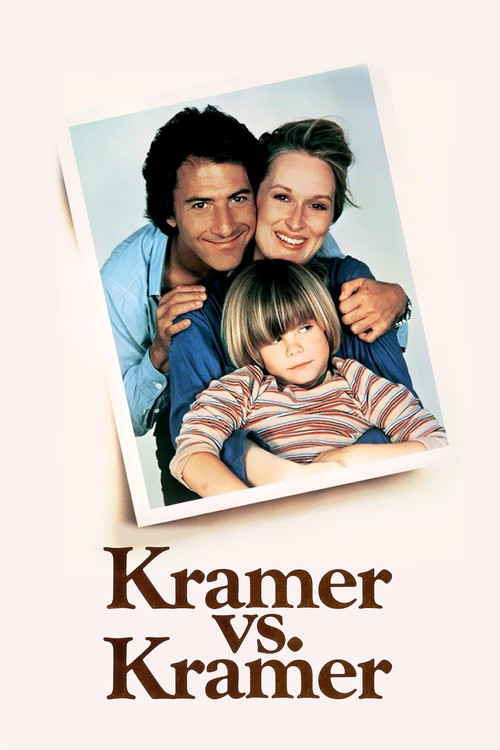
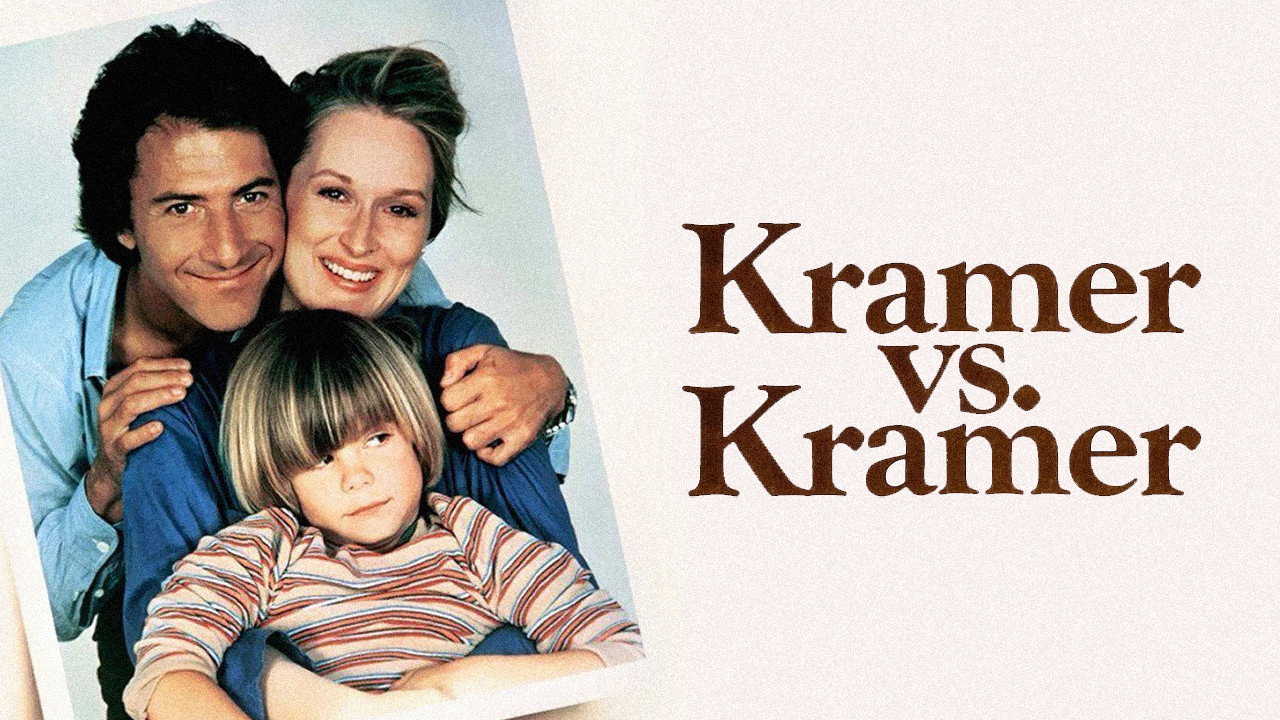
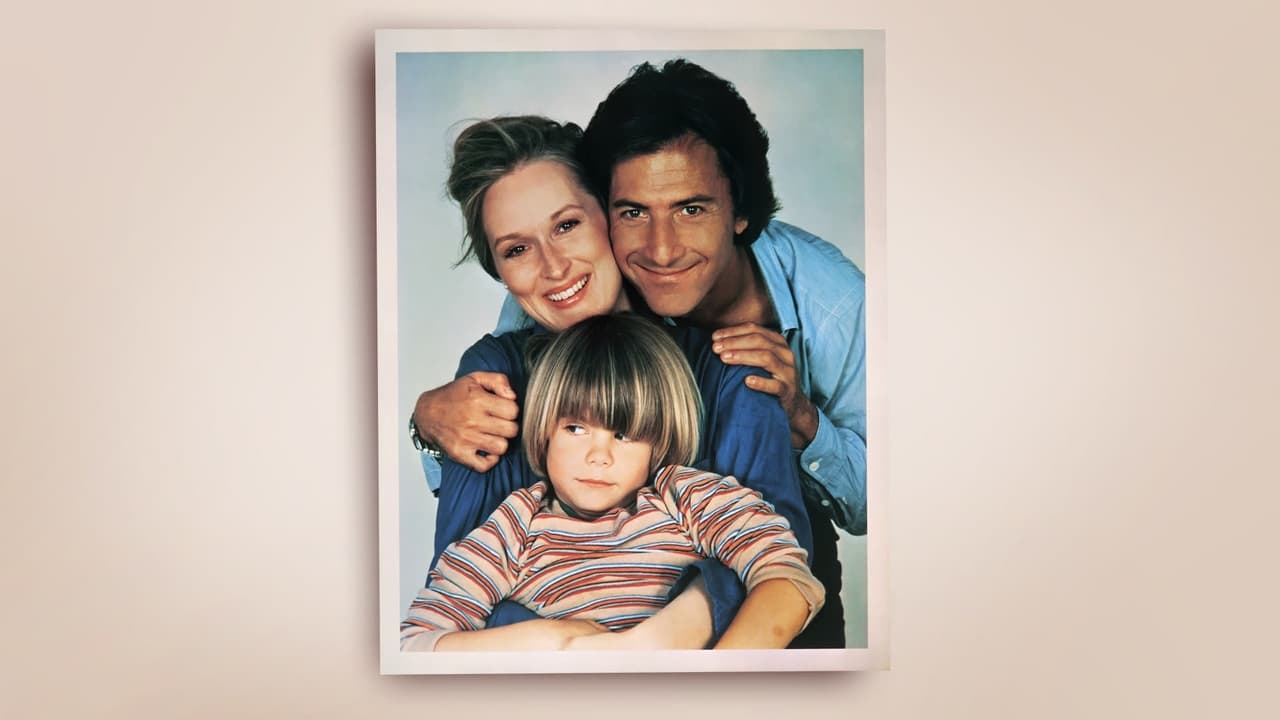
"There are three sides to this love story."
Ted Kramer is a career man for whom his work comes before his family. His wife Joanna cannot take this anymore, so she decides to leave him. Ted is now faced with the tasks of housekeeping and taking care of himself and their young son Billy.
“There are three sides to this love story.”

Dustin Hoffman
Ted Kramer

Meryl Streep
Joanna Kramer

Jane Alexander
Margaret Phelps

Justin Henry
Billy Kramer
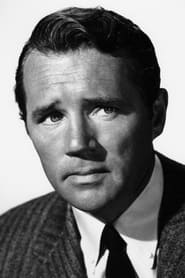
Howard Duff
John Shaunessy

George Coe
Jim O'Connor

JoBeth Williams
Phyllis Bernard

Bill Moor
Gressen
Credits
Want more? Switch to Cinephile mode in the header for DP, composer, budget, box office, production companies, keywords, and release history.
Did you know?
Did you know
Grossed $106M — a 13.3× return. The kind of profit studios chase for a decade.
Did you know
47 years old — old enough to be someone's favourite childhood film.
Did you know
Directed by Robert Benton, shot by Néstor Almendros. Note their partnership — DPs and directors often return to each other across a career.
Did you know
Original score by John Kander. Worth a dedicated listen after — most great films lose half their impact without the score.
Did you know
Editor Gerald B. Greenberg shaped the rhythm. On an edit-heavy film, the editor does more to control your pulse than the director.
Did you know
Dustin Hoffman and Meryl Streep and Jane Alexander carry the top of the cast.
Did you know
Marketing tagline: "There are three sides to this love story.".
Did you know
IMDB entry: tt0079417 — still the authoritative cross-reference for credits and trivia.
Cinephile deep dive
Robert Benton directs. Néstor Almendros behind the camera. John Kander scores. Gerald B. Greenberg cuts. Made its budget back several times over at the box office. Produced in United States of America. Dialogue in English.
Trivia
Awards
Individual records documented via Wikidata; the summary above may count more.
Also by
Stills · wallpapers
Full-resolution frames — open one to save it as a wallpaper.
Trailers & featurettes
Community reviews
The struggle of women in the 70th of the last century To what extent can a simple social story and a familiar family problem such as separation or divorce. To what extent can it represent and reflect the condition of an entire society, the culture and morals of this society, and the social changes that occur to it. The events of the film tell about the story of the divorce and struggle of the Kramer couple over the custody of their child, which reflected in its essence the social and cultural change in American society during the seventies of the last century. In 1979, the American social film Kramer vs. Kramer This film won good reviews, including an Academy Award. It is a reflection of the changes that took place in the family and in women's choices after widespread demands and protest movements in the United States of America in the sixties of the last century. Part of these demands was related to the call for women's liberation and the struggle for equality. After the round of conflict, the woman came out strong, and a measure of her rights were taken away. She also became economically independent and self-reliant, and the door of her ambitions was wide open, and she turned from a subordinate to an equal. Certainly, all these changes had to find their reflection on people's daily lives, on the woman's relationship with the man, and on the arrangement of women's priorities in terms of family and life, as yesterday the family was at the top of the list of American women's priorities, but after this cultural and social transformation, we see that the ambition of some women as Kramer's wife It is what settles at the top of her priorities now. And as the wife Kramer is the strongest and most economically able, she takes custody of the son from the father without regard to whether this behavior is in the best interests of the son or not. I was affected by what Kramer's wife did, which is that she was faced with two difficult choices, either to take care of the son, or to continue what she had achieved in her work. Unfortunately, it was prescribed for a woman to sacrifice everything.
Much more heart than expected! <em>'Kramer vs. Kramer'</em> is a film I've heard of for as long as I can remember, though I didn't actually know much about it itself... a quick glance at Wikipedia and I saw that they class it as a "legal drama", which is obvious given the title. With that, I was waiting for a long court battle to start so was surprised to see it not arrive until the final 30 or so minutes. The film is actually mainly about a father and son, in how they react to a certain life event. And boy do the filmmakers do a great job at making you care for the characters of Dustin Hoffman (Ted) and Justin Henry (Billy)... and even Meryl Streep's Joanna, though I could've personally done with more development for the latter's character; especially as the ending is quite predictable, so additional scenes for her side of the story would've been nice. I wouldn't say it's a big deal, however, as you see what's needed. Hoffman puts in a terrific performance, as does youngster Henry. Streep also brings a good showing, as do Jane Alexander and Howard Duff more minimally. Credit to everyone onscreen, in truth. It's, of course, sad to read about the offscreen incident(s) that occurred during the production involving Hoffman and Streep, albeit settled incident(s) between the two. In conclusion, and this won't come as a surprise given my rating and all the positive noise that this film has received in the decades since its release, I'd undoubtedly recommend this motion picture from 1979.
Production companies

Columbia Pictures
US
Stanley Jaffe Productions
US
Themes & keywords
Release history · US
Also known as