

1 / 8
RUNTIME
Did you know
Clocks in at 164 minutes — on the longer side of feature-length cinema.
MoodPlayr · trivia#01
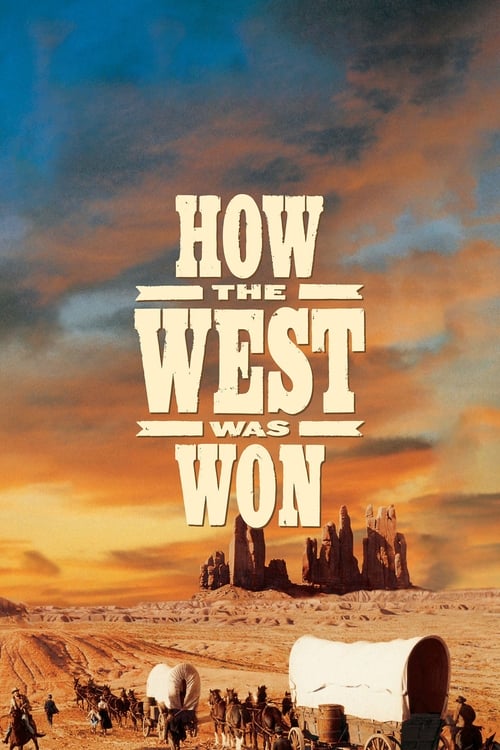
"It's here! The mightiest adventure ever filmed!"
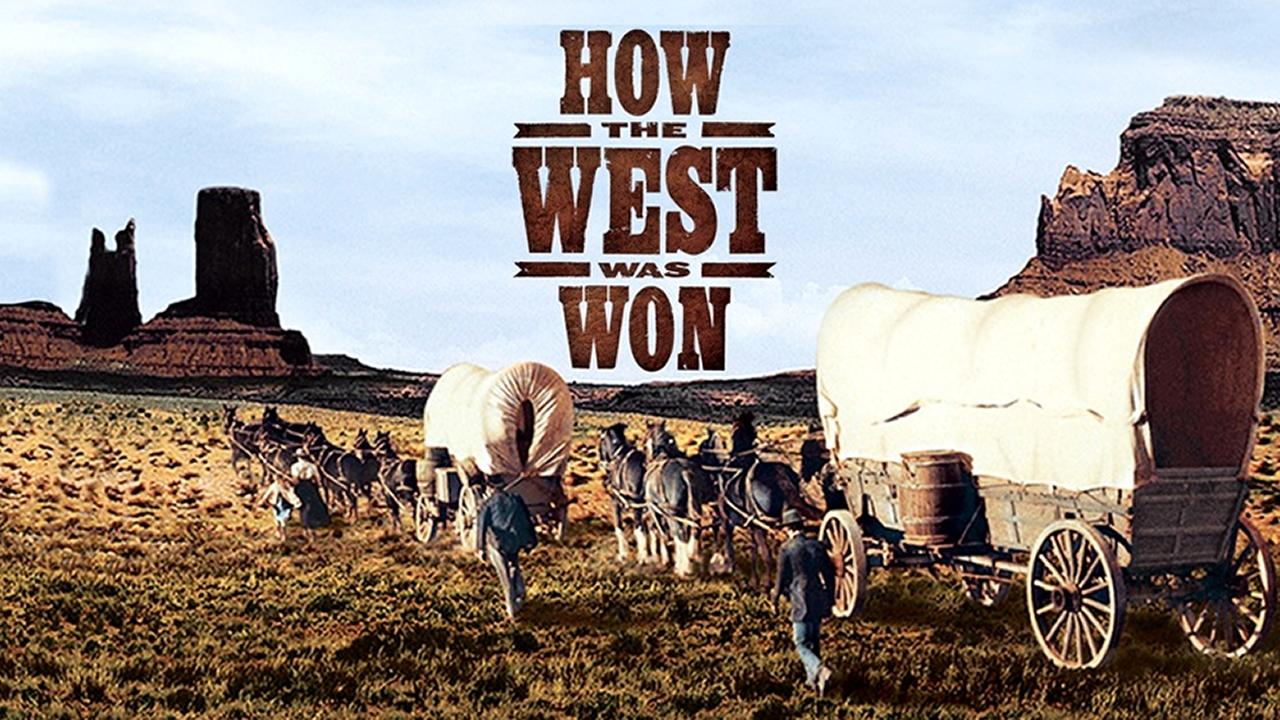
The epic tale of the development of the American West from the 1830s through the Civil War to the end of the century, as seen through the eyes of one pioneer family.
“It's here! The mightiest adventure ever filmed!”
Carroll Baker
Eve Prescott Rawlings
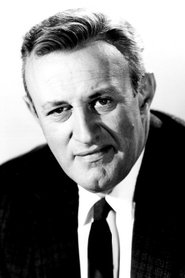
Lee J. Cobb
Marshal Lou Ramsey
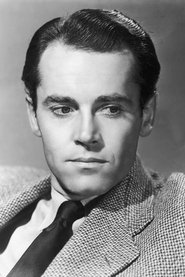
Henry Fonda
Jethro Stuart
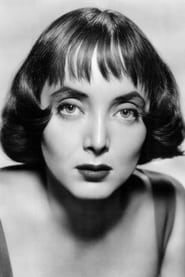
Carolyn Jones
Julie Rawlings
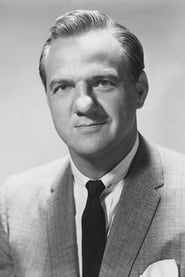
Karl Malden
Zebulon Prescott
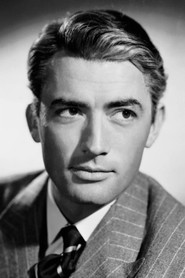
Gregory Peck
Cleve Van Valen
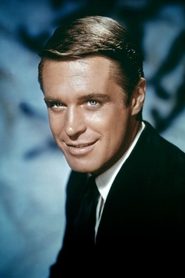
George Peppard
Zeb Rawlings

Robert Preston
Roger Morgan
Credits
Want more? Switch to Cinephile mode in the header for DP, composer, budget, box office, production companies, keywords, and release history.
Did you know?
Did you know
Clocks in at 164 minutes — on the longer side of feature-length cinema.
Did you know
Earned back only 1% of its budget on initial theatrical — a commercial disappointment on release.
Did you know
64 years old — a genuine piece of film history.
Did you know
Dialogue crosses 2 languages: English, Spanish.
Did you know
231+ people credited in cast and crew — a small city's worth of labour.
Did you know
Directed by John Ford, shot by William H. Daniels. Note their partnership — DPs and directors often return to each other across a career.
Did you know
Original score by Alfred Newman. Worth a dedicated listen after — most great films lose half their impact without the score.
Did you know
Editor Harold F. Kress shaped the rhythm. On an edit-heavy film, the editor does more to control your pulse than the director.
Cinephile deep dive
John Ford directs. William H. Daniels behind the camera. Alfred Newman scores. Harold F. Kress cuts. A long sit — settle in. A commercial under-performer on release. Produced in United States of America. Dialogue in English, Spanish.
Trivia
Awards
Individual records documented via Wikidata; the summary above may count more.
Also by
Stills · wallpapers
Full-resolution frames — open one to save it as a wallpaper.
Trailers & featurettes
Community reviews
Bound for the promised land, indeed. One of the last great epic movies to come out of MGM that was a roaring success, How the West Was Won still has enough quality about it to warrant high praise. The story that drives the film on was suggested by the series of the same name that featured in "Life" magazine 1959. Narrative is formed around one family, the Prescott's, who set out on a journey West in 1839. They and their offspring fill out five segments of film that are directed by three different men, "The Rivers", "The Plains" & "The Outlaws" is under the guidance of Henry Hathaway, and "The Civil War" by John Ford and "The Railroad" by George Marshall. Filmed in the unique Cinerama format, which in a nutshell is three cameras filming at once to project a fully formed experience for the human eye, the production has an all star cast and four supreme cinematographers aiding the story. To name all the cast would take forever, but in the main all of the major parts were filled by stars who had already headlined a movie previously. The cinematographers are naturally key since such a sprawling story inevitably has sprawling vistas, they come up trumps with some truly special work: William H. Daniels, Milton Krasner, Charles Lang Jr. & Joseph LaShelle, four great names who help to make the film a poetic beauty. As a whole it's undeniably far from flawless, complaints such as it running out of steam towards the end (the irony of it since a steam train features prominently), and the plot contrivances, are fair enough. However, when the film is good, it's real good: raft in the rapids, Cheyene attack, buffalo stampede and train robbery, each of them are good enough to be a highlight in separate movies. Even the songs are pleasant, particularly when they revolve around the effervescent Debbie Reynolds, while home format transfers are now finally up to a standard worthy of investment, time and cash wise. Hard to dislike for a Western fan, and carrying enough about it to lure in the casual viewer, How the West Was Won really is a case of they don't make them like they used to. 8/10
Unique, entertaining all-star Western epic comprised of vignettes is a mixed bag Released in 1962-63 and written by James Webb, "How the West was Won" is an epic Hollywood Western covering fifty years between 1839-1889 focusing on the Prescott family's move West and narrated by Spencer Tracy. This is a history lesson amped up with melodrama, romance, adventure, violence and song & dance. The film was done in Cinerama, which was a short-lived cinematic experiment involving three synchronized projectors and a huge curved screen. Only one other film with a traditional story line utilized this process, "The Wonderful World of the Brothers Grimm," released the same year. Cinerama was invented so film could keep ahead of its growing rival, television, but it proved too expensive and cumbersome. Despite this, "How the West was Won" was a huge success at the box office. There were epic Westerns before and after, of course, like "The Big Country" (1958), "The Alamo" (1960), "Dances with Wolves" (1990) and "Wyatt Earp" (1994). What separates "How the West was Won" is that it's split into five vignettes directed by three different directors, as follows: THE RIVERS (1839), directed by Henry Hathaway. This opening segment may turn off viewers with its eye-rolling "Disney Goes West" vibe and the corresponding corny dialogue, particularly the lightning fast romance that starts between Linus Rawlings (James Stewart) and Eve Prescott (Carroll Baker). But, if you can endure past such cringe-worthy moments, there's a sudden shift when the travelers run into a malevolent gang of river pirates (Walter Brennan, Lee Van Cleef and cutie Brigid Bazlen). The switch from quaint family-friendly material to nigh shocking violence is notable. One villain gets an ax wung into his back and another a knife into his chest (!). The episode ends with a thrilling fatal rafting sequence. Karl Malden plays the patriarch while Debbie Reynolds plays the less-romantic sister. I must say that the producers knocked it out of the ballpark by featuring Baker, Reynolds and Bazlen in the female department; all three are breathtaking. THE PLAINS (1851), directed by Henry Hathaway. Lilith Prescott (Reynolds) ends up in St. Louis as a dance hall performer where she learns she's inherited a gold mine in California. A handsome gambler (Gregory Peck) catches wind and tags along on the wagon train, led by a character played by the great Robert Preston. Both guys want the babe, but only the latter seems sincere, which curiously doesn't interest Lilith. This segment is highlighted by Reynold's beauty and her entertaining song & dance sequences and a thrilling Cheyanne attack on the wagon train. THE CIVIL WAR (1861-1865), directed by John Ford. This segment starts at the Prescott homestead in Ohio where the son of Lilith, Zeb (George Peppard), decides to join the Civil War, after his dad did a couple of years earlier. This is the weakest of the vignettes because the scenes where Ulysses Grant (Harry Morgan) and General Sherman (John Wayne) hang out are obviously studio bound and, worse, the Shiloh battle sequence is almost non-existence. What a letdown! THE RAILROAD (1868), directed by George Mashall. After the war Lieutenant Zeb gets a gig in the U.S. Cavalry, trying to maintain peace with the Indians while befriending grizzled buffalo hunter Jethro Stuart (Henry Fonda), but Zeb becomes disillusioned when an arrogant railroad mogul (Richard Widmark) violates treaties with the Arapaho by building in their territories. The Natives retaliate by stampeding bison through the railroad camp and killing many. It's an impressive sequence. THE OUTLAWS (1889) directed by Henry Hathaway. Widowed, Lilith moves from San Francisco to her remaining asset, an Arizona ranch, inviting Zeb (Peppard) and his wife (Carolyn Jones) & kids to oversee it. But Marshal Zeb is threatened by a vengeful outlaw (Eli Wallach). Instead of waiting for the thug to strike, Zeb goes on the offensive with the help of reluctant Marshal Lou Ramsey (Lee J. Cobb). They hide out on a train with an unusually large gold shipment to ambush the outlaw and his gang. The exciting climax is impressive for its time and obviously influential in action-oriented cinema. As you can see, the movie is a series of thinly-connected stories with a few characters carrying over to other segments (Baker, Reynolds, Peck, Peppard). It's a big film rather than a great one. But you have to respect its uniqueness and the fact that it pulls out all the stops to entertain on so many levels. The score by Alfred Newman, for instance, is one of the all-time best film compositions. While the movie sometimes disappoints — particularly the opening "Disney goes West" vibe and the truncated Civil War sequence — there's just too much good here to give it a bad grade. You just have to be willing to acclimate to its quirks and uniqueness. Needless to say, don't expect a conventional Western because "How the West was Won" is anything but. The film runs 164 minutes and was shot in Kentucky & Illinois in the East; and South Dakota, Utah, Arizona, California and Oregon in the West . GRADE: B
It's almost impossible to imagine how anyone could have amassed such a complete complement of Hollywood A-listers (both in front of, and behind, the camera) to make this epic tale of the pioneering American spirit in the 19th century. From the opening bars of Alfred Newman's score, you can rest assured that we are in for something grand - and, cinematographically speaking, we certainly are. The story is essentially episodic in nature, depicting three stages in the lives of families who emigrate west, encountering just about every obstacle and danger imaginable as the gold rush, railroads (and robbers!), Indians, civil war - and the terrain - challenge even the most adaptable and determined of families. Debbie Reynolds provides some early camp-fire entertainment with a rousing rendition of Sammy Cahn's "Home in the Meadow" that sets the scene as they traverse the wilderness. No point listing the stars, it would be easier to list the ones who didn't take part - but there are some notable efforts from Karl Malden and Jimmy Stewart as our journey begins; George Peppard has a distinct glint in his eye, Henry Fonda "Jethro" - and Richard Widmark also adds a bit of character as the hard-nosed railroad man "King". The ageing processes are less well managed, the application of some grey dye to Reynolds and Peppard is so obvious as to question it's necessity - we know many years have elapsed, this just seems to exaggerate what we are quiet capable of imagining. The writing benefits from one hand at the tiller (there were three directors and as many on the photography); with some frequently pithy, earthy dialogue well delivered by the plethora of acting talent. It's 2¾ hours long, this - but we are carried along without much drudgery through their escapades, love stories, tragedies and sheer bloody-mindedness well. The narration from Spencer Tracy borders on the oozingly sentimental at times, especially with his epilogue but if you enjoy a good western, then this is hard to beat...
Production companies

Metro-Goldwyn-Mayer
US
Cinerama Productions
US
Themes & keywords
Release history · US
Also known as