

1 / 8
RUNTIME
Did you know
84 minutes exactly — the "classic feature" runtime most directors aim for.
MoodPlayr · trivia#01
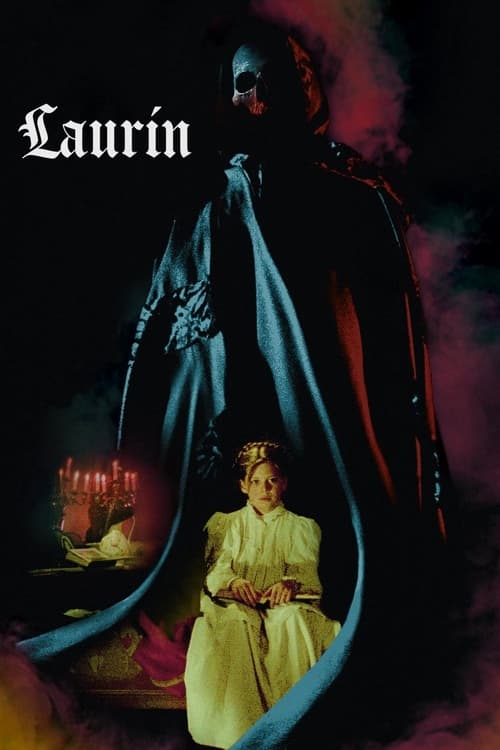
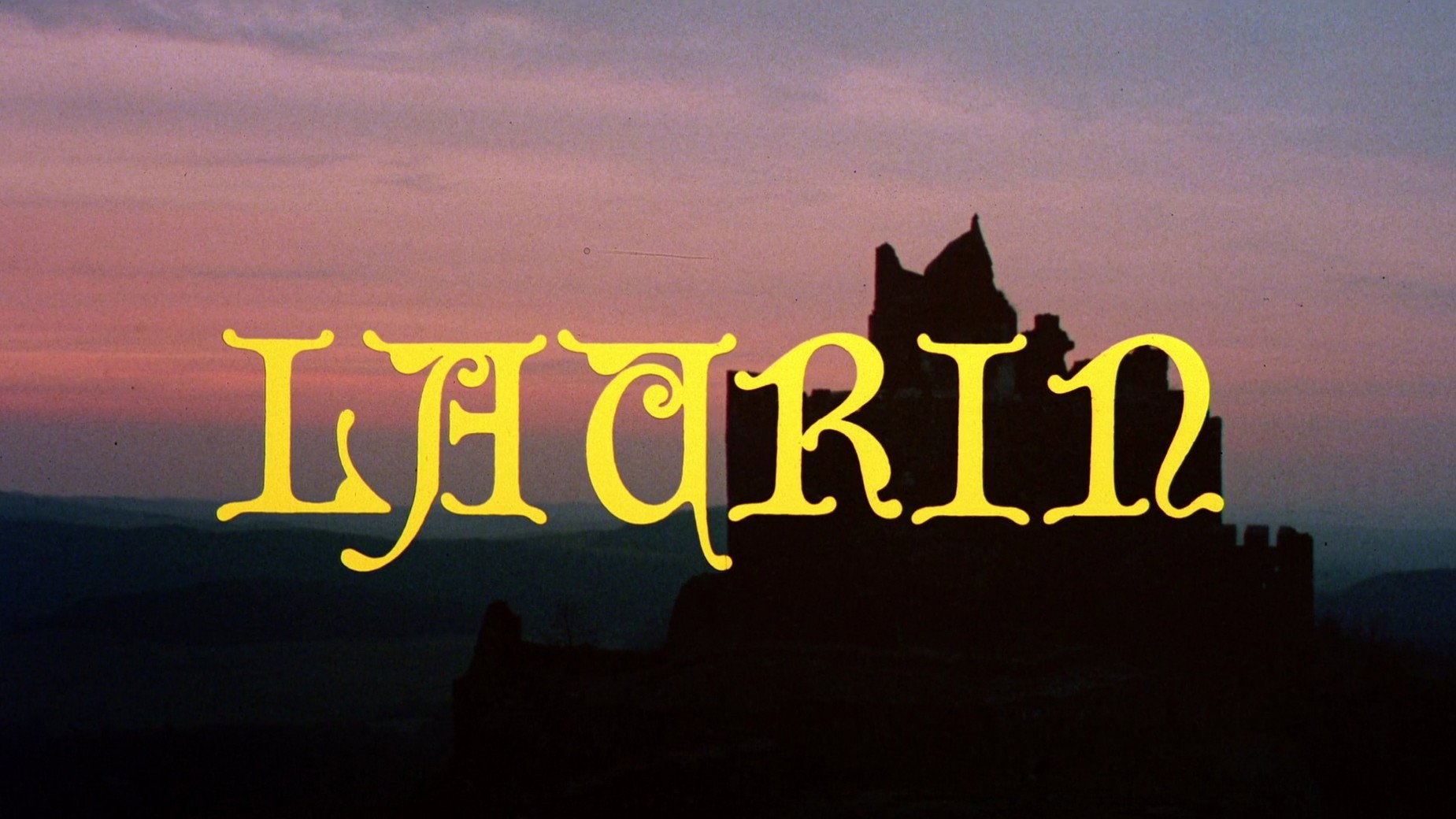
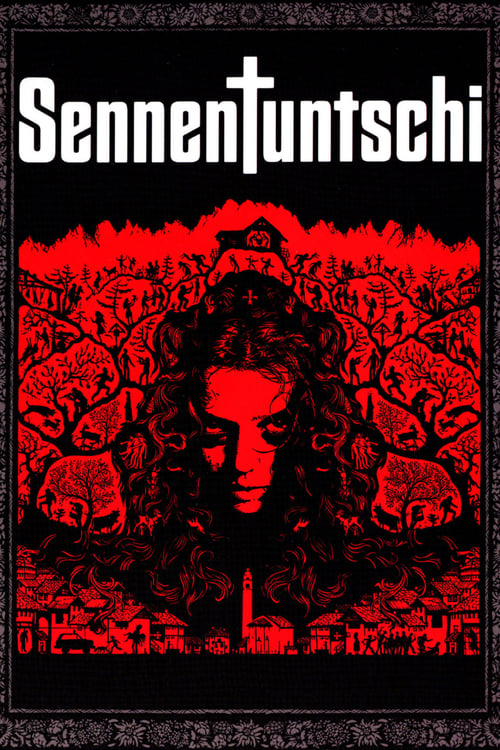
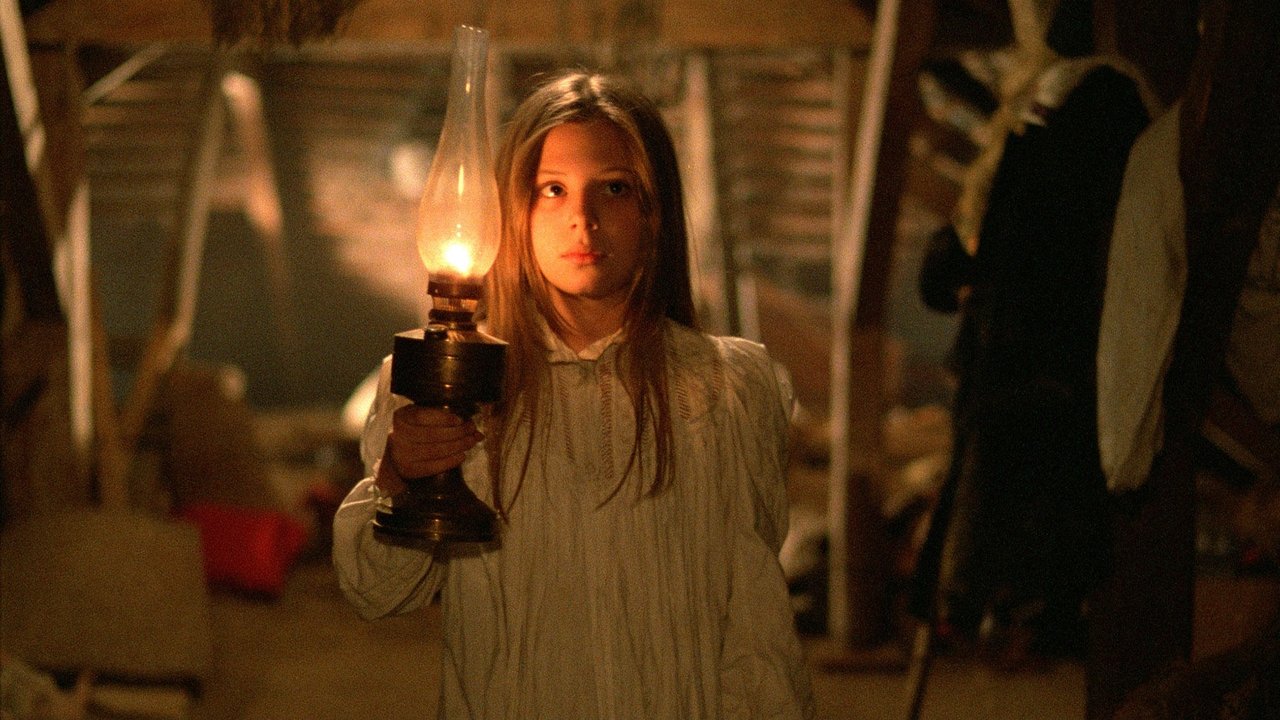
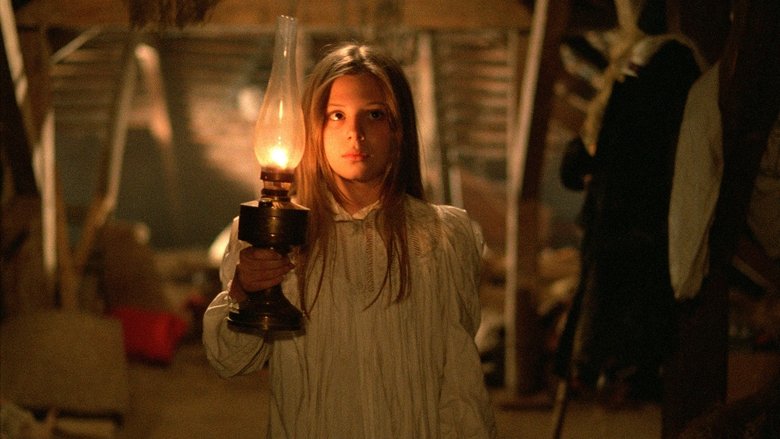
In a small port town, at the turn of the century, children are disappearing. A mysterious man in black who stalks the town may be Death itself. And nine-year-old Laurin is suffering terrifying dreams and hallucinations of a man carrying a sack and frightened children calling for help from behind closed windows.
“Some stories are better left unspoiled.”

Dóra Szinetár
Laurin

Brigitte Karner
Flora Andersen

Károly Eperjes
Van Rees
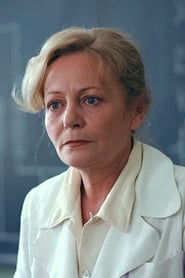
Hédi Temessy
Olga

Barnabás Tóth
Stefan Berghaus
Kati Sír
Frau Greta Berghaus
Endre Kátay
Pastor Van Rees

János Derzsi
Arne
Credits
Want more? Switch to Cinephile mode in the header for DP, composer, budget, box office, production companies, keywords, and release history.
Did you know?
Did you know
84 minutes exactly — the "classic feature" runtime most directors aim for.
Did you know
37 years old — old enough to be someone's favourite childhood film.
Did you know
Dialogue crosses 2 languages: English, German.
Did you know
International production across 2 countries: Hungary, Germany.
Did you know
Directed by Robert Sigl, shot by Nyika Jancsó. Note their partnership — DPs and directors often return to each other across a career.
Did you know
Editor Teri Losonci shaped the rhythm. On an edit-heavy film, the editor does more to control your pulse than the director.
Did you know
Dóra Szinetár and Brigitte Karner and Károly Eperjes carry the top of the cast.
Did you know
IMDB entry: tt0097719 — still the authoritative cross-reference for credits and trivia.
Cinephile deep dive
Robert Sigl directs. Nyika Jancsó behind the camera. Teri Losonci cuts. Runs lean at under 100 minutes. Produced in Hungary, Germany. Dialogue in English, German.
Trivia
Also by
Stills · wallpapers
Full-resolution frames — open one to save it as a wallpaper.
Trailers & featurettes
Community reviews
Laurin was made in 1989, although somebody appears to have forgotten to tell the film. With its saturated reds, misty rural interiors and faces arranged as though Hammer Horror had only just shut up shop for the evening, Robert Sigl’s film looks several decades older. That is not merely decorative nostalgia. Its slightly unreal appearance helps turn an appallingly grim story into something closer to a corrupted fairy tale. Laurin is a young girl living in an isolated German village where boys disappear and the adults prove remarkably poor at joining the dots. She sees the missing children, experiences visions of her dead mother and gradually understands more about the returning schoolmaster than anybody around her. Yet the film rarely treats those supernatural intrusions as shocks. They simply belong to Laurin’s world, where the border between memory, imagination and haunting has become agreeably porous. One peculiar detail helps unlock it. Laurin initially sleeps in a cot-like bed surrounded by bars, absurdly over-protective for a nine-year-old. But protection becomes a recurring idea. The dead children guide her. Her mother seems to return at moments of danger. Even when Laurin enters the killer’s territory, the film never quite makes her feel abandoned. The supernatural may therefore be less a source of horror than a defensive system built around a child whom the living adults have failed. That reading is not watertight, but Laurin is more interesting when allowed to remain slightly slippery. Its villain receives the opposite visual treatment. The schoolmaster is increasingly photographed as a grotesque, almost storybook ghoul, while the straightforward ugliness of what he is doing remains mostly implied. The fairy-tale surface gives the film enough distance to approach material that would be almost intolerable if rendered naturalistically. Calling Laurin folk horror is trickier. The isolated community is certainly there, as are the black dog, old customs and rural enclosure. But the threat does not really grow from the land, folklore or inherited belief. Strip away the atmosphere and this is closer to a supernatural coming-of-age murder mystery. It is gorgeous, strange, sometimes frustrating and considerably cleverer than it is entertaining. Even the grandmother’s increasingly enthusiastic relationship with drink cannot quite enliven every passage. Still, Laurin leaves behind something worthwhile: a horrible adult story viewed through a child’s fairy-tale logic, where the ghosts may be the only dependable grown-ups in the village. --- Reviewed by FolknHell, the folk horror film podcast · folknhell com Hear the full FolknHell podcast discussion of Laurin: folknhell com/laurin-review along with our other reviews, transcripts and episodes.
Production companies
Dialóg Filmstúdió
HU
Salinas Filmproduktion

Südwestfunk
DE
Themes & keywords
Release history · US
Also known as